
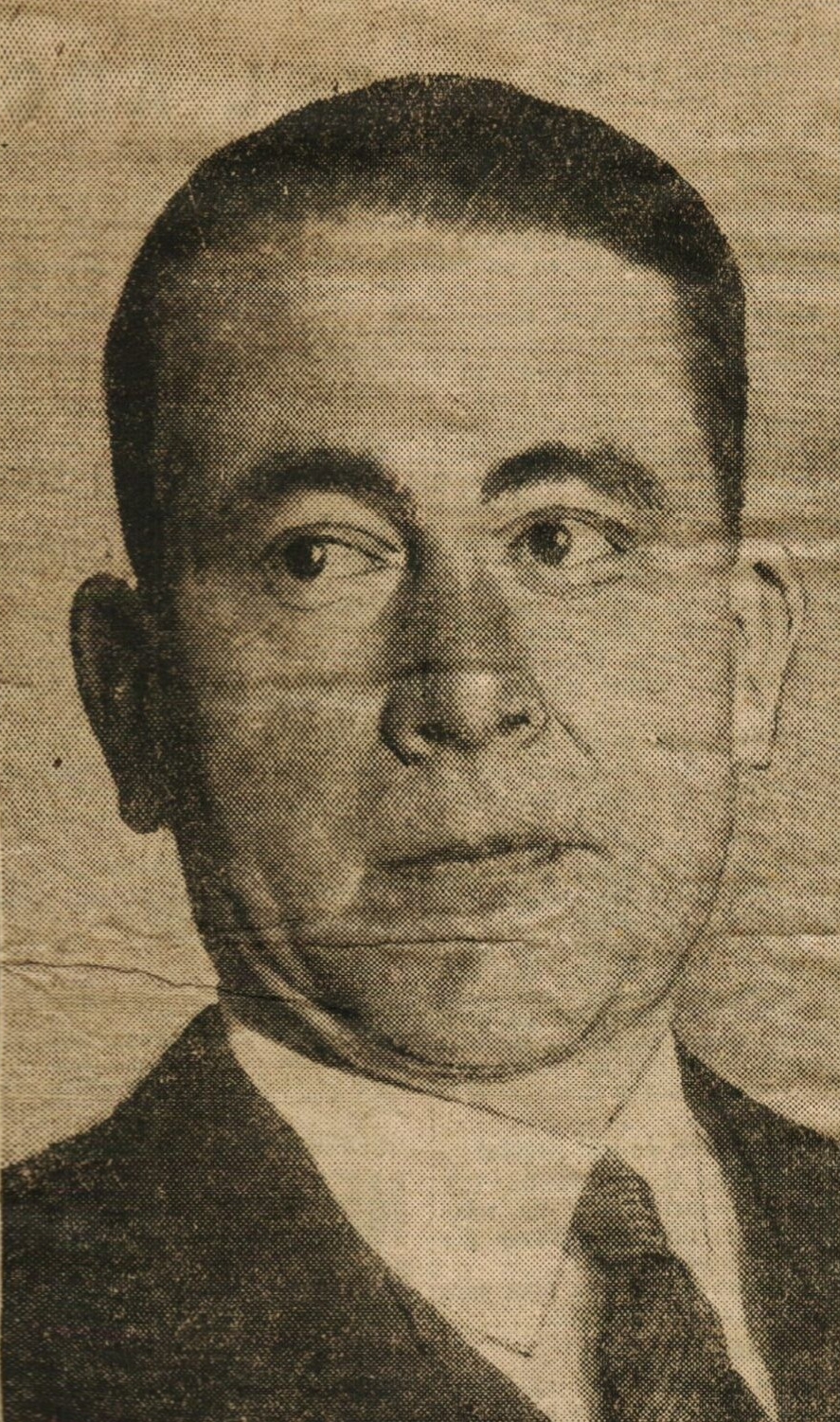
Carl Schmitt
0 sources
Carl Schmitt was born on July 11, 1888 in Plettenberg[1][2][3][4][5][6][7][8][9] and died there on April 7, 1985[1][2][3][4][5][6][8][9]. A German citizen, he worked as a jurist, geopolitical analyst, and politician[1]. His academic training came from Ludwig-Maximilians-Universität München, Frederick William University Berlin, and the University of Strasbourg[10].
He held teaching posts at the Technical University of Munich, University of Bonn, University of Cologne, and University of Greifswald[10], focusing his scholarly work on political theology and constitutional law. Schmitt was associated with the Conservative Revolution movement and Western philosophy, producing the notable works The Concept of the Political and Land und Meer[10].
In his personal life, he was married to Pavla Dorotić and later to Duška Schmitt, and had a daughter named Anima Schmitt de Otero[11].
Key Facts
- Date of birth: 1888[11]
- Date of death: 1985[12]
- Place of burial: Plettenberg[13]
- Spouse: Pavla Dorotić[14], Duška Schmitt[15]
- Child: Anima Schmitt de Otero[16]
- Country of citizenship: Germany[17]
- Ethnic group: Germans[18]
- Occupation: constitutional lawyer[19], philosopher[20]
- Field of work: political theology[21], constitutional law[22]
- Employer: Technical University of Munich[23], University of Bonn[24], University of Cologne[25], University of Greifswald[26], Frederick William University Berlin[27], Handelshochschule Berlin[28], University of Strasbourg[29]
- Educated at: Ludwig-Maximilians-Universität München[30], Frederick William University Berlin[31], University of Strasbourg[32]
- Doctoral advisor: Fritz van Calker[33]
- Notable work: The Concept of the Political[34], Land und Meer[35]
- Religion or worldview: Catholicism[36]
- Influenced by: Thomas Hobbes[37], Niccolò Machiavelli[38], Aristotle[39], Jean-Jacques Rousseau[40], Juan Donoso Cortés[41], Georges Sorel[42], Vilfredo Pareto[43], Bruno Bauer[44]
- Sex or gender: male[45]
- Member of political party: Nazi Party[46]
- Movement: Conservative Revolution[47], Western philosophy[48]
- Commons category: Carl Schmitt[49]
- Academic degree: Juris Doctor[50], habilitation[51]
- Participated in conflict: World War I[52]
- Family name: Schmitt[53]
- Given name: Carl[54]
- Pseudonym: Johannes Negelinus[55]
- Topic's main category: Category:Carl Schmitt[56]
Why It Matters
Carl Schmitt has Wikipedia articles in 25 language editions, a strong signal of global cultural recognition.[57] He is known by 32 alternative names across languages and contexts.[58]
He has been cited as an influence by Peter Thiel[59], a financier[60], b. 1967[61], of New Zealand[62], awarded the Frank Schirrmacher Award[63], specialised in investment[64]; Hannah Arendt[65], a philosopher[66], 1906–1975[67], of Prussia[68], awarded the Guggenheim Fellowship[69], specialised in political philosophy[70]; Curtis Yarvin[71], a computer scientist[72], b. 1973[73], of United States[74]; Alexander Dugin[75], a propagandist[76], b. 1962[77], of Russia[78], specialised in propaganda[79]; Reinhart Koselleck[80], an author[81], 1923–2006[82], of Germany[83], awarded the Sigmund Freud Prize[84], specialised in conceptual history[85]; and Jacob Taubes[86], a philosopher[87], 1923–1987[88], of Austria[89], specialised in sociology of religion[90].
Works attributed to him include The Concept of the Political[91].
FAQs
Where was Carl Schmitt born?
Carl Schmitt's place of birth was Plettenberg[2].
Where did Carl Schmitt die?
Carl Schmitt died in Plettenberg[4].
Who was Carl Schmitt married to?
Carl Schmitt's spouses include Pavla Dorotić[14] and Duška Schmitt[15].
What did Carl Schmitt do for work?
Carl Schmitt worked as a jurist[5], geopolitical analyst[6], politician[7], Staatsrat[8], and university teacher[9].
Where did Carl Schmitt go to school?
Carl Schmitt was educated at Ludwig-Maximilians-Universität München[30], Frederick William University Berlin[31], and University of Strasbourg[32].
Who did Carl Schmitt influence?
Carl Schmitt has been cited as an influence by Peter Thiel[59], Hannah Arendt[65], Curtis Yarvin[71], and Alexander Dugin[75].