
Vilfredo Pareto
0 sources
Summary
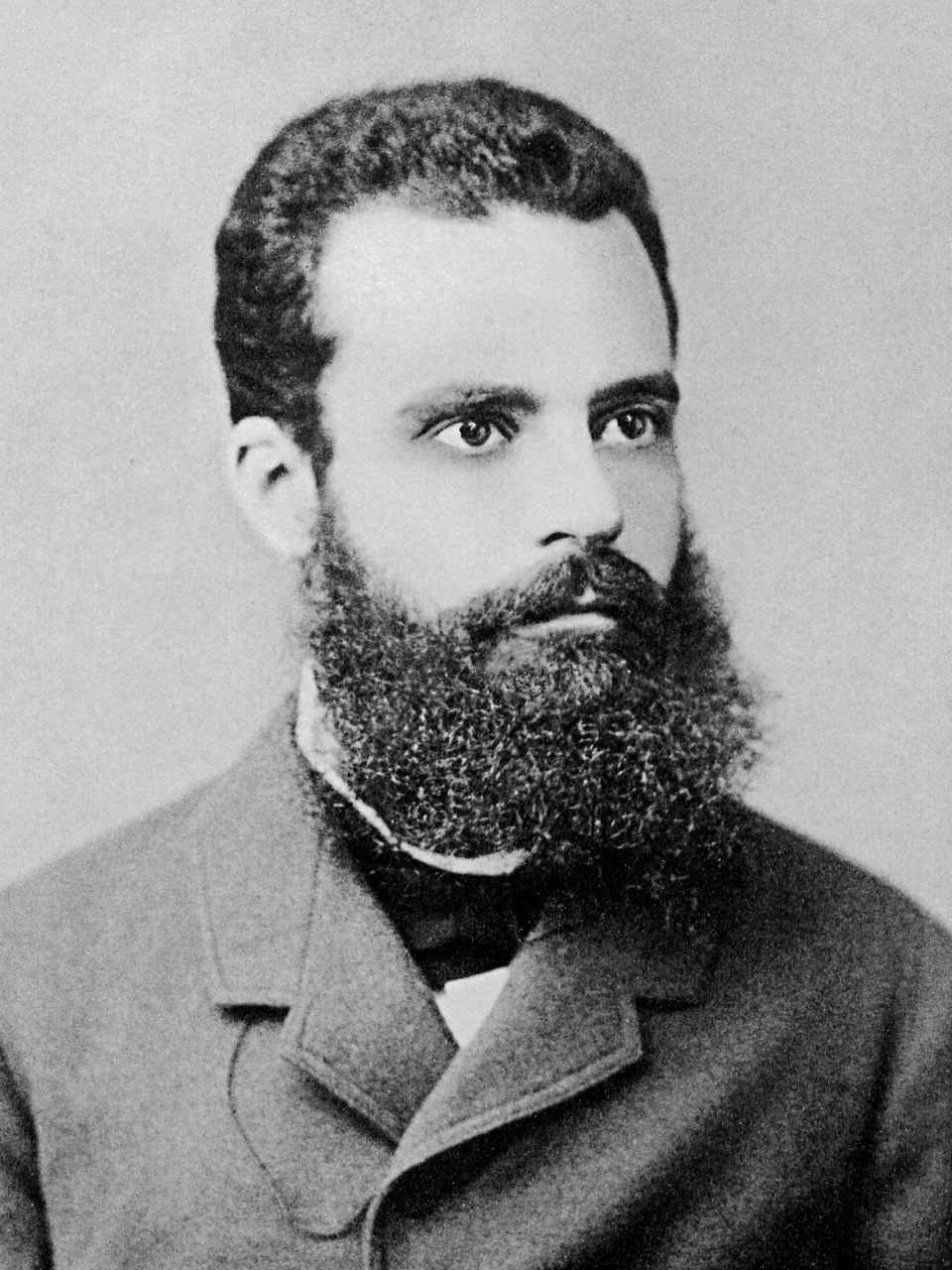
Vilfredo Pareto was born on July 15, 1848[1], in Paris[2]. He died on August 19, 1923[3], in Céligny[4]. He worked as an economist[5], philosopher[6], sociologist[7], university teacher[8], and engineer[9]. He ranks in the top 0.68% of human entities by monthly Wikipedia readership (5,590 views/month, #6,836 of 1,000,298).[10]
Key Facts
- Date of death: August 20, 1923[11]
- Place of burial: New cemetery of Céligny[12]
- Father: Raffaele Pareto[13]
- Mother: Marie Métenier[14]
- Spouse: Alessandrina Bakunina[15], Jeanne Regis[16]
- Country of citizenship: Kingdom of Italy[17], France[18]
- Native language: Italian[19]
- Occupation: mathematician[20]
- Field of work: economics[21], sociology[22]
- Employer: University of Lausanne[23], Sapienza University of Rome[24], University of Genoa[25]
- Educated at: Polytechnic University of Turin[26]
- Notable work: The Mind and Society[27]
- Member of: Academy of Sciences of Turin[28]
- Religion or worldview: Catholicism[29]
- Influenced by: Niccolò Machiavelli[30]
- Sex or gender: male[31]
- Movement: School of Lausanne[32]
- Commons category: Vilfredo Pareto[33]
- Family name: Pareto[34]
- Given name: Vilfredo[35], Federico[36], Damaso[37], Wilfried[38], Fritz[39]
- Topic's main category: Category:Vilfredo Pareto[40]
- Described by source: BEIC Digital Library[41]
- Languages spoken, written or signed: French[42], Italian[43]
Body
Works and Contributions
Things named for Vilfredo Pareto include Pareto principle[44], Pareto distribution[45], Pareto efficiency[46], Pareto chart[47], and Zipf–Mandelbrot law[48].
Why It Matters
Vilfredo Pareto has Wikipedia articles in 30 language editions, a strong signal of global cultural recognition.[49] He is known by 32 alternative names across languages and contexts.[50]
He has been cited as an influence by Antonio Gramsci[51], a philosopher[52], 1891–1937[53], of Kingdom of Italy[54], awarded the Viareggio Prize[55], specialised in philosophy[56]; Carl Schmitt[57], a jurist[58], 1888–1985[59], of Germany[60], specialised in political theology[61]; James Burnham[62], a sociologist[63], 1905–1987[64], of United States[65], awarded the Presidential Medal of Freedom[66]; Samuel T. Francis[67], a journalist[68], 1947–2005[69], of United States[70]; George C. Homans[71], an economist[72], 1910–1989[73], of United States[74], awarded the W.E.B. Du Bois Career of Distinguished Scholarship award[75]; and Maurice Allais[76], an economist[77], 1911–2010[78], of France[79], awarded the Grand Cross of the Legion of Honour[80].
Entities named for him include Pareto principle[44], Pareto distribution[45], Pareto efficiency[46], Pareto chart[47], and Zipf–Mandelbrot law[48].
FAQs
Where was Vilfredo Pareto born?
Vilfredo Pareto was born in Paris[2].
Where did Vilfredo Pareto die?
Vilfredo Pareto died in Céligny[4].
Who were Vilfredo Pareto's parents?
Vilfredo Pareto's father was Raffaele Pareto[13]. Vilfredo Pareto's mother was Marie Métenier[14].
Who was Vilfredo Pareto married to?
Vilfredo Pareto's spouses include Alessandrina Bakunina[15] and Jeanne Regis[16].
What did Vilfredo Pareto do for work?
Vilfredo Pareto worked as an economist[5], philosopher[6], sociologist[7], university teacher[8], and engineer[9].
Where did Vilfredo Pareto go to school?
Vilfredo Pareto was educated at Polytechnic University of Turin[26].
Who did Vilfredo Pareto influence?
Vilfredo Pareto has been cited as an influence by Antonio Gramsci[51], Carl Schmitt[57], James Burnham[62], and Samuel T. Francis[67].