
Schengen Area
area of 29 European states without mutual border controls
Press Enter · cited answer in seconds
0 sources
Schengen Area
Summary
Schengen Area is a territory[1]. It has Wikipedia articles in 27 language editions, a strong signal of global cultural recognition.[2]
Key Facts
- Schengen Area is on the continent of Europe[3].
- Schengen Area's instance of is recorded as territory[4].
- Schengen Area's main regulatory text is recorded as Schengen acquis[5].
- Schengen is named after Schengen Area[6].
- Schengen Area's Commons category is recorded as Internal Schengen borders[7].
- Schengen Area comprises border of the Schengen Area[8].
- Schengen Area comprises Belgium[9].
- Schengen Area comprises France[10].
- Schengen Area comprises Germany[11].
- Schengen Area comprises Luxembourg[12].
- Schengen Area comprises Kingdom of the Netherlands[13].
- Schengen Area comprises Portugal[14].
- Schengen Area comprises Spain[15].
- Schengen Area comprises Italy[16].
- Schengen Area comprises Austria[17].
- Schengen Area comprises Greece[18].
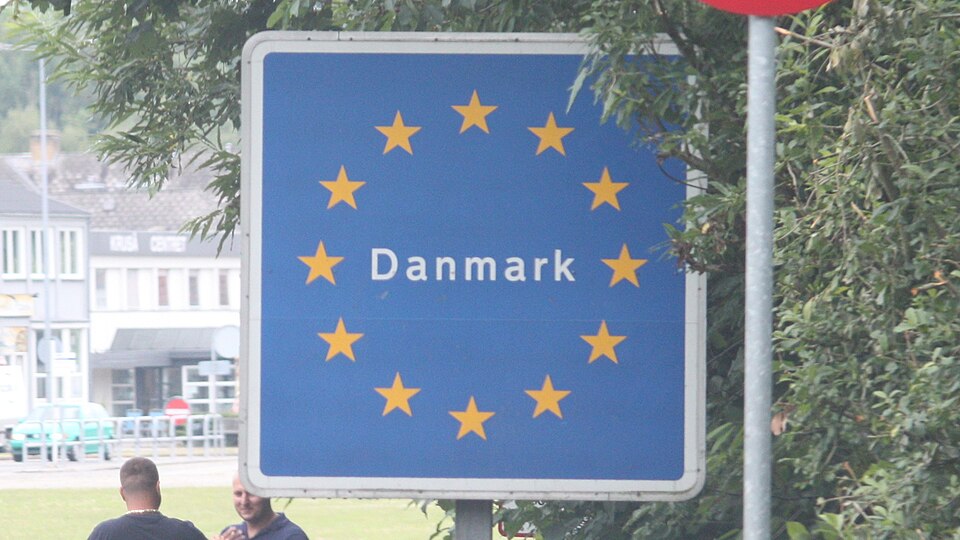
- Schengen Area comprises Denmark[19].
- Schengen Area comprises Finland[20].
- Schengen Area comprises Iceland[21].
- Schengen Area comprises Norway[22].
- Schengen Area comprises Sweden[23].
- Schengen Area comprises Liechtenstein[24].
- Schengen Area comprises Czech Republic[25].
- Schengen Area comprises Estonia[26].
- Schengen Area comprises Hungary[27].
Body
Geography
Schengen Area is on the continent of Europe[3].
Physical Characteristics
Areas include {'unit': 'Q712226', 'amount': '+4595131'}[28] and {'unit': 'Q232291', 'amount': '+1774190'}[29]. Schengen Area has a population of {'amount': '+453324255'}[30].
Designation and Status
Schengen Area's instance of is recorded as territory[4].
History and Context
March 26, 1995 marks the founding of Schengen Area[31]. Schengen is named after it[6].
Why It Matters
Schengen Area has Wikipedia articles in 27 language editions, a strong signal of global cultural recognition.[2] It is known by 34 alternative names across languages and contexts.[32]