
Lolita
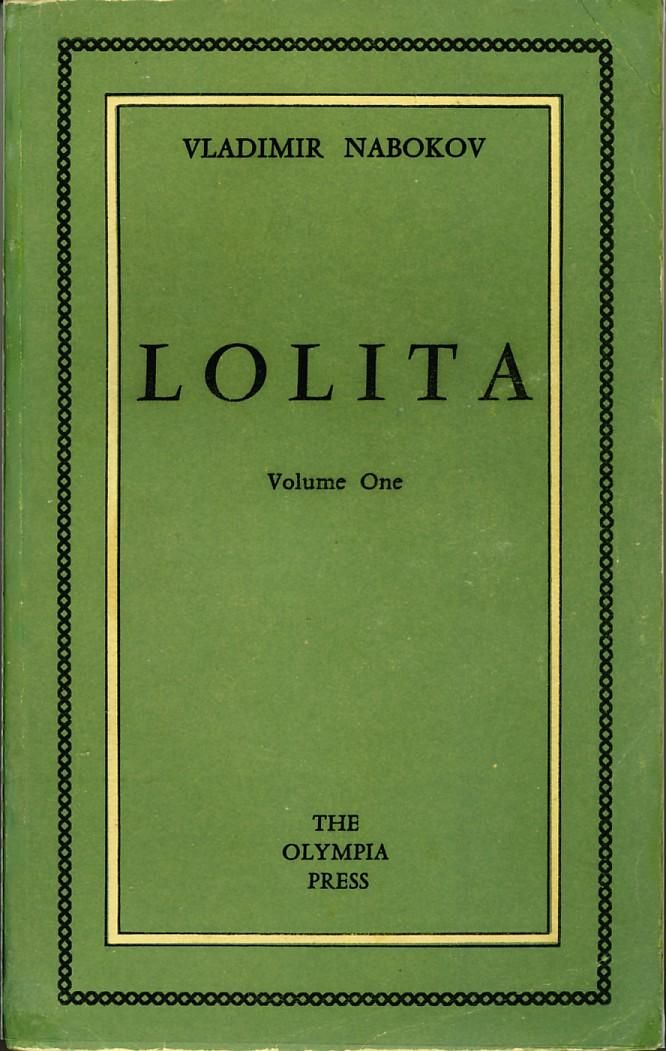
0 sources
Lolita
Summary
Lolita is a literary work[1]. Lolita ranks in the top 0.081% of literary_work entities by monthly Wikipedia readership (28,280 views/month, #23 of 28,446).[2]
Key Facts
- Lolita authored Vladimir Nabokov[3].
- Lolita received the Le Monde's 100 Books of the Century[4].
- Lolita received the 20th Century's Greatest Hits: 100 English-Language Books of Fiction[5].
- Lolita was influenced by Fyodor Dostoyevsky[6].
- Lolita was influenced by A Gentle Creature[7].
- Lolita was influenced by Eugene Onegin[8].
- Lolita was influenced by Rusalka[9].
- Lolita was influenced by The Little Mermaid[10].
- Lolita was influenced by The Beauty Sleeping in the Wood[11].
- Lolita's instance of is recorded as literary work[12].
- Lolita was published by Olympia Press[13].
- Lolita was published by G. P. Putnam's Sons[14].
- Lolita was published by Weidenfeld & Nicolson[15].
- Lolita was published by Fawcett Publications[16].
- Lolita's genre is tragicomedy[17].
- Lolita's genre is metafiction[18].
- Lolita's genre is confessional fiction[19].
- Lolita's genre is found manuscript[20].
- Lolita's genre is erotica[21].
- Lolita's genre is detective fiction[22].
- Dolores Haze is named after Lolita[23].
- Lolita's depicts is recorded as insanity[24].
- Lolita's depicts is recorded as consumer culture[25].
- Lolita's depicts is recorded as demonic[26].
- Lolita's depicts is recorded as stepfather–stepdaughter incest[27].
Body
Authorship and Creation
Lolita authored Vladimir Nabokov[3]. Publishers include Olympia Press[13], G. P. Putnam's Sons[14], Weidenfeld & Nicolson[15], and Fawcett Publications[16].
Publication
Lolita was released on 1955[28]. Lolita's place of publication is recorded as France[29]. Lolita's language of work or name is recorded as English[30]. Genres include tragicomedy[17], metafiction[18], confessional fiction[19], found manuscript[20], erotica[21], and detective fiction[22].
Subject and Themes
Main subjects include solipsism[31], morality[32], artistic creation[33], child abuse[34], hebephilia[35], and pedophilia[36].
Reception
Awards received include Le Monde's 100 Books of the Century[4], a list of best books[37], in France[38], written by Le Monde[39] and 20th Century's Greatest Hits: 100 English-Language Books of Fiction[5], a list of best books[40].
Cultural Impact
Things named for Lolita include lolicon[41], a fiction genre[42]; Lolita[43], a term[44]; and Lolita City[45], a web page[46], founded in 2010[47].
Why It Matters
Lolita ranks in the top 0.081% of literary_work entities by monthly Wikipedia readership (28,280 views/month, #23 of 28,446).[2] Lolita has Wikipedia articles in 29 language editions, a strong signal of global cultural recognition.[48] Lolita is known by 17 alternative names across languages and contexts.[49]
Entities named for Lolita include lolicon[41], a fiction genre[42]; Lolita[43], a term[44]; and Lolita City[45], a web page[46], founded in 2010[47].
FAQs
What awards did Lolita receive?
Honors received include Le Monde's 100 Books of the Century[4] and 20th Century's Greatest Hits: 100 English-Language Books of Fiction[5].