
Emil Cioran
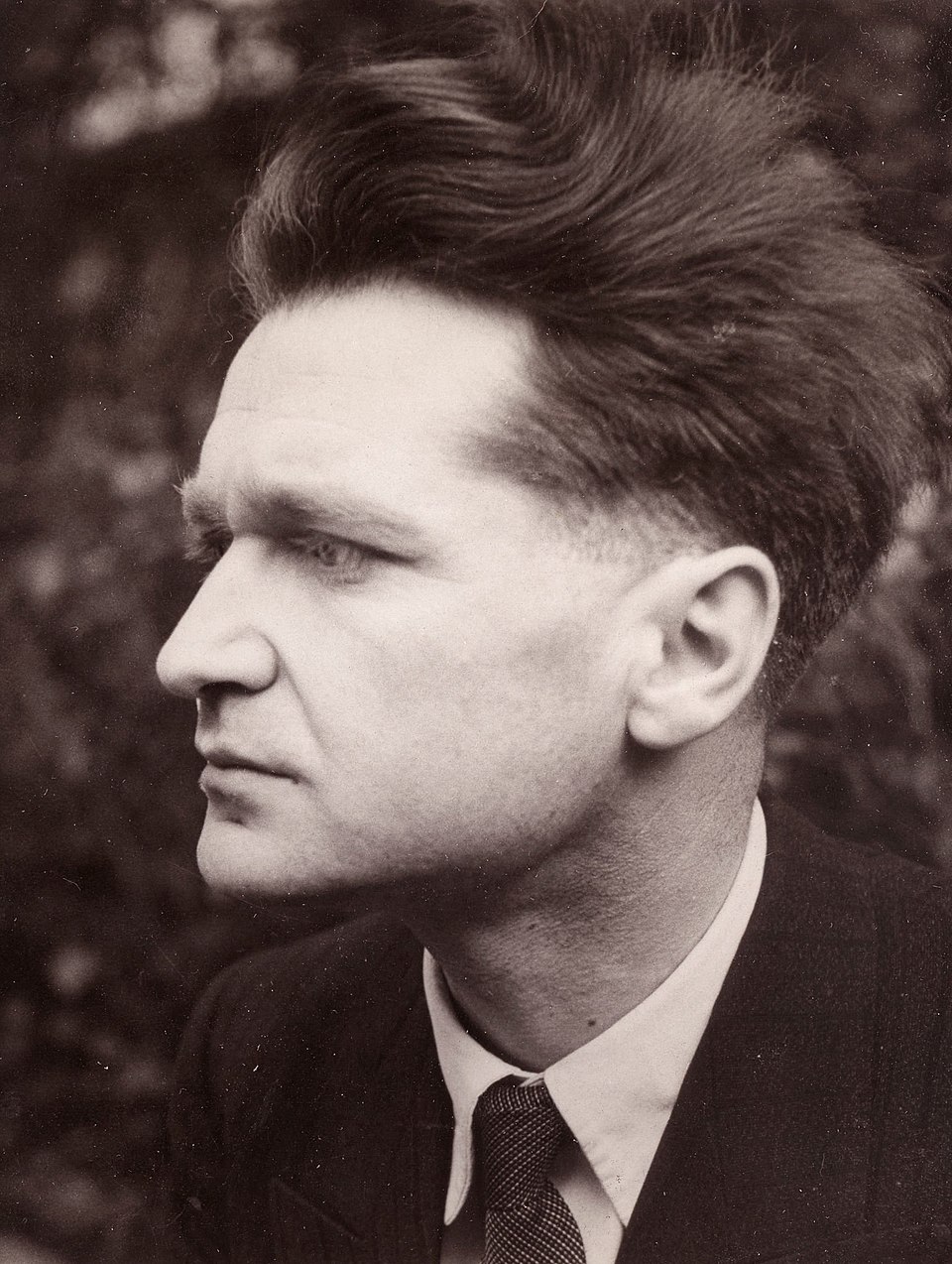
0 sources
Summary
Emil Cioran was born on April 8, 1911[1], in Rășinari[2]. He died on June 20, 1995[3], in 13th arrondissement of Paris[4]. He worked as a philosopher[5], writer[6], diarist[7], aphorist[8], and translator[9]. He ranks in the top 0.64% of human entities by monthly Wikipedia readership (12,258 views/month, #6,413 of 1,000,298).[10]
Key Facts
- Place of burial: Montparnasse Cemetery[11]
- Father: Emilian Cioran[12]
- Country of citizenship: Romania[13], Austria–Hungary[14], Kingdom of Romania[15]
- Native language: Romanian[16]
- Field of work: philosophy[17]
- Employer: Andrei Șaguna National College[18]
- Educated at: University of Bucharest[19], Humboldt-Universität zu Berlin[20], University of Paris[21]
- Notable work: History and Utopia[22], The Trouble With Being Born[23], A Short History of Decay[24]
- Award received: Prix Rivarol[25], Prix Sainte-Beuve[26], Roger Nimier Prix[27], Grand prix de littérature Paul-Morand[28]
- Member of: Romanian Academy[29]
- Influenced by: Vasily Rozanov[30], Arthur Schopenhauer[31], Laozi[32], Søren Kierkegaard[33], Friedrich Nietzsche[34], Fyodor Dostoyevsky[35], Georg Simmel[36], Henri Bergson[37], Lev Shestov[38], Benjamin Fondane[39]
- Sex or gender: male[40]
- Movement: pessimism[41], existentialism[42], anti-intellectualism[43], continental philosophy[44]
- Commons category: Emil Cioran[45]
- Unmarried partner: Simone Boué[46]
- Archives at: Bibliothèque littéraire Jacques-Doucet[47]
- Cause of death: Alzheimer's disease[48]
- Residence: Paris[49]
- Family name: Cioran (nume)[50]
- Given name: Emil[51]
- Medical condition: Alzheimer's disease[52], insomnia[53], depression[54]
- Political ideology: Trăirism[55]
- Manner of death: natural causes[56]
Why It Matters
Emil Cioran has Wikipedia articles in 25 language editions, a strong signal of global cultural recognition.[57] He is known by 72 alternative names across languages and contexts.[58]
He has been cited as an influence by Nick Land[59], a philosopher[60], b. 1962[61], of United Kingdom[62], specialised in philosophy[63]; Luiz Felipe Pondé[64], a philosopher[65], b. 1959[66], of Brazil[67]; and Eugene Thacker[68], a philosopher[69], b. 2000[70], of United States[71], specialised in continental philosophy[72].
Works attributed to him include A Short History of Decay[73], a written work[74] and On the Heights of Despair[75], a written work[76].
FAQs
Where was Emil Cioran born?
Emil Cioran was born in Rășinari[2].
Where did Emil Cioran die?
Emil Cioran passed away in 13th arrondissement of Paris[4].
Who were Emil Cioran's parents?
Emil Cioran's father was Emilian Cioran[12].
What did Emil Cioran do for work?
Emil Cioran worked as a philosopher[5], writer[6], diarist[7], aphorist[8], and translator[9].
Where did Emil Cioran go to school?
Emil Cioran was educated at University of Bucharest[19], Humboldt-Universität zu Berlin[20], and University of Paris[21].
What awards did Emil Cioran receive?
Honors received include Prix Rivarol[25], Prix Sainte-Beuve[26], Roger Nimier Prix[27], and Grand prix de littérature Paul-Morand[28].
Who did Emil Cioran influence?
Emil Cioran has been cited as an influence by Nick Land[59], Luiz Felipe Pondé[64], and Eugene Thacker[68].