
Rosalía de Castro
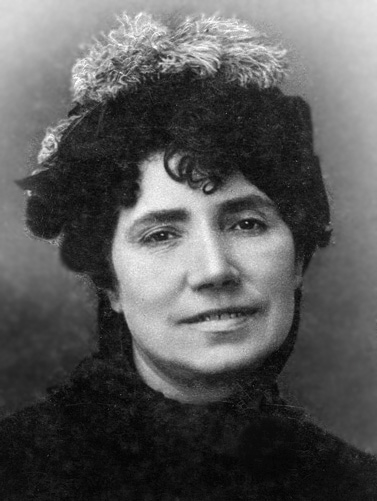
0 sources
Summary
Rosalía de Castro was born on February 23, 1837[1], in Conxo, Santiago de Compostela[2]. She died on July 22, 1885[3], in A Matanza[4]. She worked as a writer[5], poet[6], novelist[7], and short story writer[8]. She ranks in the top 0.72% of human entities by monthly Wikipedia readership (5,448 views/month, #7,219 of 1,000,298).[9]
Key Facts
- Date of death: July 15, 1885[10]
- Place of burial: Panteón de Galegos Ilustres[11], Adina Cemetery[12]
- Father: José Martínez Viojo[13]
- Mother: María Teresa da Cruz Castro Abadía[14]
- Spouse: Manuel Murguía[15]
- Child: Ovidio Murguía de Castro[16], Alejandra Murguía[17], Aura Martínez-Murguía de Castro[18], Gala Murguía de Castro[19], Amara Murguía de Castro[20]
- Country of citizenship: Spain[21]
- Native language: Galician[22]
- Ethnic group: Galicians[23]
- Notable work: Cantares gallegos[24], Follas novas[25], Contos da miña terra[26], La flor[27], En las orillas del Sar[28], La hija del mar[29], O cabaleiro das botas azuis[30], Lieders[31]
- Award received: Galician Literature Day[32]
- Religion or worldview: Catholicism[33]
- Sex or gender: female[34]
- Movement: Rexurdimento[35]
- Commons category: Rosalía de Castro[36]
- Cause of death: uterine cancer[37]
- Family name: de Castro[38]
- Given name: María[39], Rosalía[40], Rita[41]
- Official website: http://rosalia.gal/[42]
- Topic's main category: Category:Rosalía de Castro[43]
- Commons gallery: Rosalía de Castro[44]
- Manner of death: natural causes[45]
- Described by source: Ensayo de un catálogo de periodistas españoles del siglo XIX (1903-1904)[46], Gran Enciclopedia Galega Silverio Cañada[47], Diccionario Bio-bibliográfico de Escritores[48]
Body
Works and Contributions
Things named for Rosalía de Castro include Rosalíadecastro[49], a star[50]; Castro[51], an impact crater[52]; and Premio Rosalía de Castro de Lingua[53], an award[54], in Spain[55], founded in 2010[56].
Why It Matters
Rosalía de Castro has Wikipedia articles in 21 language editions, a strong signal of global cultural recognition.[57] She is known by 36 alternative names across languages and contexts.[58]
Works attributed to her include Follas novas[59], a literary work[60], in Spain[61] and Cantares gallegos[62], a literary work[63]. Entities named for her include Rosalíadecastro[49], a star[50]; Castro[51], an impact crater[52]; and Premio Rosalía de Castro de Lingua[53], an award[54], in Spain[55], founded in 2010[56].
FAQs
Where was Rosalía de Castro born?
Rosalía de Castro was born in Conxo, Santiago de Compostela[2].
Where did Rosalía de Castro die?
Rosalía de Castro passed away in A Matanza[4].
Who were Rosalía de Castro's parents?
Rosalía de Castro's father was José Martínez Viojo[13]. Rosalía de Castro's mother was María Teresa da Cruz Castro Abadía[14].
Who was Rosalía de Castro married to?
Rosalía de Castro's spouses include Manuel Murguía[15].
What did Rosalía de Castro do for work?
Rosalía de Castro worked as a writer[5], poet[6], novelist[7], and short story writer[8].
What awards did Rosalía de Castro receive?
Honors received include Galician Literature Day[32].