
Manuel Murguía
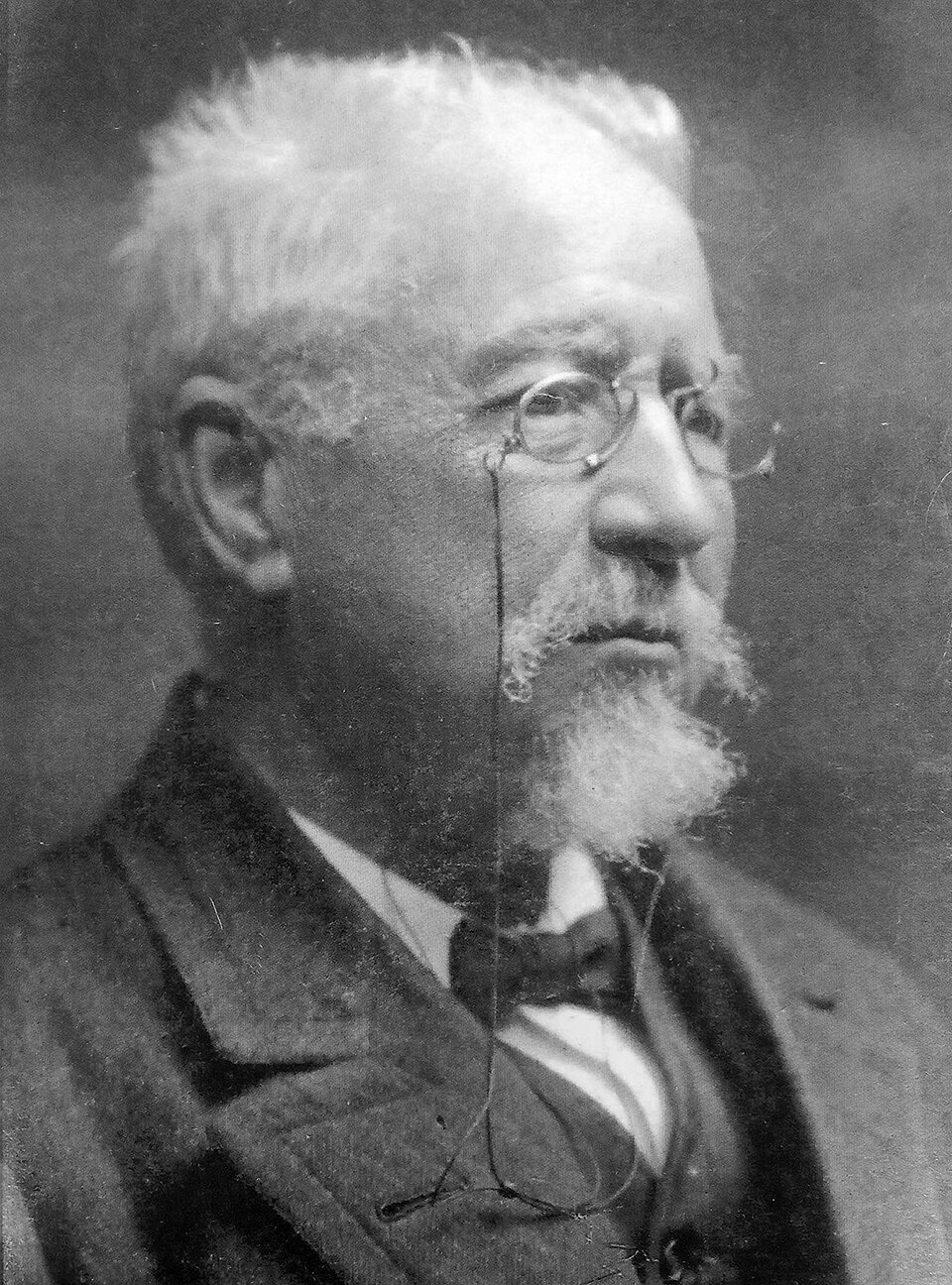
0 sources
Manuel Murguía
Summary
Manuel Murguía is a human[1]. He was born in Arteixo[2]. He was born on May 17, 1833[3]. He died in A Coruña[4]. He died on February 2, 1923[5]. He worked as a writer[6], poet[7], archivist[8], historian[9], and polygraph[10]. He ranks in the top 0.73% of human entities by monthly Wikipedia readership (23 views/month, #7,293 of 1,000,298).[11]
Key Facts
- Manuel Murguía's place of birth was Arteixo[2].
- Manuel Murguía passed away in A Coruña[4].
- Manuel Murguía was born on May 17, 1833[3].
- Manuel Murguía died on February 2, 1923[5].
- Burial took place at Cemetery of San Amaro[12].
- Manuel Murguía's mother was Concha Murguia Egaña[13].
- Among Manuel Murguía's spouses was Rosalía de Castro[14].
- A child of Manuel Murguía was Ovidio Murguía de Castro[15].
- A child of Manuel Murguía was Alejandra Murguía[16].
- A child of Manuel Murguía was Aura Martínez-Murguía de Castro[17].
- A child of Manuel Murguía was Gala Murguía de Castro[18].
- A child of Manuel Murguía was Amara Murguía de Castro[19].
- Manuel Murguía held citizenship in Spain[20].
- Manuel Murguía is identified as part of the Galicians ethnic group[21].
- Manuel Murguía's professions included writer[6].
- Manuel Murguía's professions included poet[7].
- Manuel Murguía's professions included archivist[8].
- Manuel Murguía worked as a historian[9].
- Manuel Murguía's professions included polygraph[10].
- Manuel Murguía worked as a journalist[22].
- Manuel Murguía held the position of Q125577974[23].
- Manuel Murguía held the position of Cronista Xeral de Galicia[24].
- A notable work attributed to Manuel Murguía is Los precursores[25].
- A notable work attributed to Manuel Murguía is Diccionario de escritores gallegos[26].
- Manuel Murguía received the Galician Literature Day[27].
Body
Origins and Family
Manuel Murguía was born in Arteixo[2]. He was born on May 17, 1833[3]. His mother was Concha Murguia Egaña[13]. He is identified as part of the Galicians ethnic group[21].
Career and Affiliations
Recorded occupations include writer[6], poet[7], archivist[8], historian[9], polygraph[10], and journalist[22]. Positions held include Q125577974[23], a position[28], founded in 1906[29] and Cronista Xeral de Galicia[24], a position[30], founded in 1654[31].
Works and Contributions
Notable works include Los precursores[25], a literary work[32] and Diccionario de escritores gallegos[26], a written work[33].
Recognition
Manuel Murguía received the Galician Literature Day[27].
Personal Life
Manuel Murguía was married to Rosalía de Castro[14]. Children include Ovidio Murguía de Castro[15], a painter[34], 1871–1900[35], of Spain[36]; Alejandra Murguía[16], a draftsperson[37], 1859–1937[38], of Spain[39]; Aura Martínez-Murguía de Castro[17], 1868–1942[40], of Spain[41]; Gala Murguía de Castro[18], 1871–1964[42], of Spain[43]; and Amara Murguía de Castro[19], a homemaker[44], 1873–1921[45], of Spain[46]. Political affiliations include Galician Regionalist Association[47], a Galician political party[48], in Spain[49], founded in 1890[50], headquartered in Santiago de Compostela[51] and Galician League[52], a political party[53], in Spain[54], founded in 1897[55], headquartered in A Coruña[56].
Death and Burial
Manuel Murguía died on February 2, 1923[5]. He passed away in A Coruña[4]. Burial took place at Cemetery of San Amaro[12].
Why It Matters
Manuel Murguía ranks in the top 0.73% of human entities by monthly Wikipedia readership (23 views/month, #7,293 of 1,000,298).[11] He has Wikipedia articles in 7 language editions, a strong signal of global cultural recognition.[57] He is known by 11 alternative names across languages and contexts.[58]
FAQs
Where was Manuel Murguía born?
Manuel Murguía's place of birth was Arteixo[2].
Where did Manuel Murguía die?
Manuel Murguía passed away in A Coruña[4].
Who were Manuel Murguía's parents?
Manuel Murguía's mother was Concha Murguia Egaña[13].
Who was Manuel Murguía married to?
Manuel Murguía's spouses include Rosalía de Castro[14].
What did Manuel Murguía do for work?
Manuel Murguía worked as writer[6], poet[7], archivist[8], historian[9], and polygraph[10].
What awards did Manuel Murguía receive?
Honors received include Galician Literature Day[27].