
La Maison du Chat-qui-pelote
0 sources
Summary
La Maison du Chat-qui-pelote is a literary work[1]. It ranks in the top 4% of literary_work entities by monthly Wikipedia readership (36 views/month).[2]
Key Facts
- La Maison du Chat-qui-pelote authored Honoré de Balzac[3].
- La Maison du Chat-qui-pelote's instance of is recorded as literary work[4].
- La Maison du Chat-qui-pelote was followed by Le Bal de Sceaux[5].
- La Maison du Chat-qui-pelote's part of the series is recorded as The Human Comedy[6].
- La Maison du Chat-qui-pelote is part of Scenes from Private Life[7].
- La Maison du Chat-qui-pelote's language of work or name is recorded as French[8].
- La Maison du Chat-qui-pelote's country of origin is recorded as France[9].
- +1829-00-00T00:00:00Z marks the founding of La Maison du Chat-qui-pelote[10].
- La Maison du Chat-qui-pelote was published on +1829-00-00T00:00:00Z[11].
- La Maison du Chat-qui-pelote's characters is recorded as Duchesse de Carigliano[12].
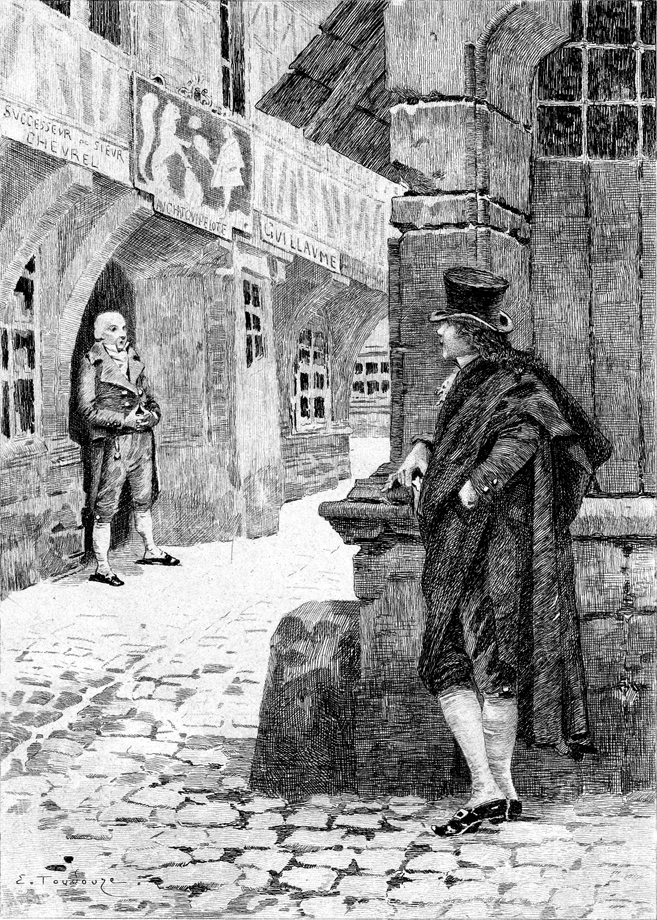
- La Maison du Chat-qui-pelote's cover art by is recorded as Édouard Toudouze[13].
- La Maison du Chat-qui-pelote's narrative location is recorded as Paris[14].
- La Maison du Chat-qui-pelote's published in is recorded as The Human Comedy[15].
- La Maison du Chat-qui-pelote's title is recorded as {'lang': 'fr', 'text': 'La Maison du chat-qui-pelote'}[16].
- La Maison du Chat-qui-pelote's copyright status is recorded as public domain[17].
- La Maison du Chat-qui-pelote's copyright status is recorded as public domain[18].
- La Maison du Chat-qui-pelote's form of creative work is recorded as novella[19].
Body
Authorship and Creation
La Maison du Chat-qui-pelote authored Honoré de Balzac[3].
Publication
La Maison du Chat-qui-pelote was published on +1829-00-00T00:00:00Z[11]. Its language of work or name is recorded as French[8]. It is part of Scenes from Private Life[7]. Its part of the series is recorded as The Human Comedy[6].
Subject and Themes
La Maison du Chat-qui-pelote's part of the series is recorded as The Human Comedy[6].
Adaptations and Inspiration
La Maison du Chat-qui-pelote was followed by Le Bal de Sceaux[5].
Why It Matters
La Maison du Chat-qui-pelote ranks in the top 4% of literary_work entities by monthly Wikipedia readership (36 views/month).[2] It has Wikipedia articles in 10 language editions, a strong signal of global cultural recognition.[20] It is known by 4 alternative names across languages and contexts.[21]