
José Ortega y Gasset
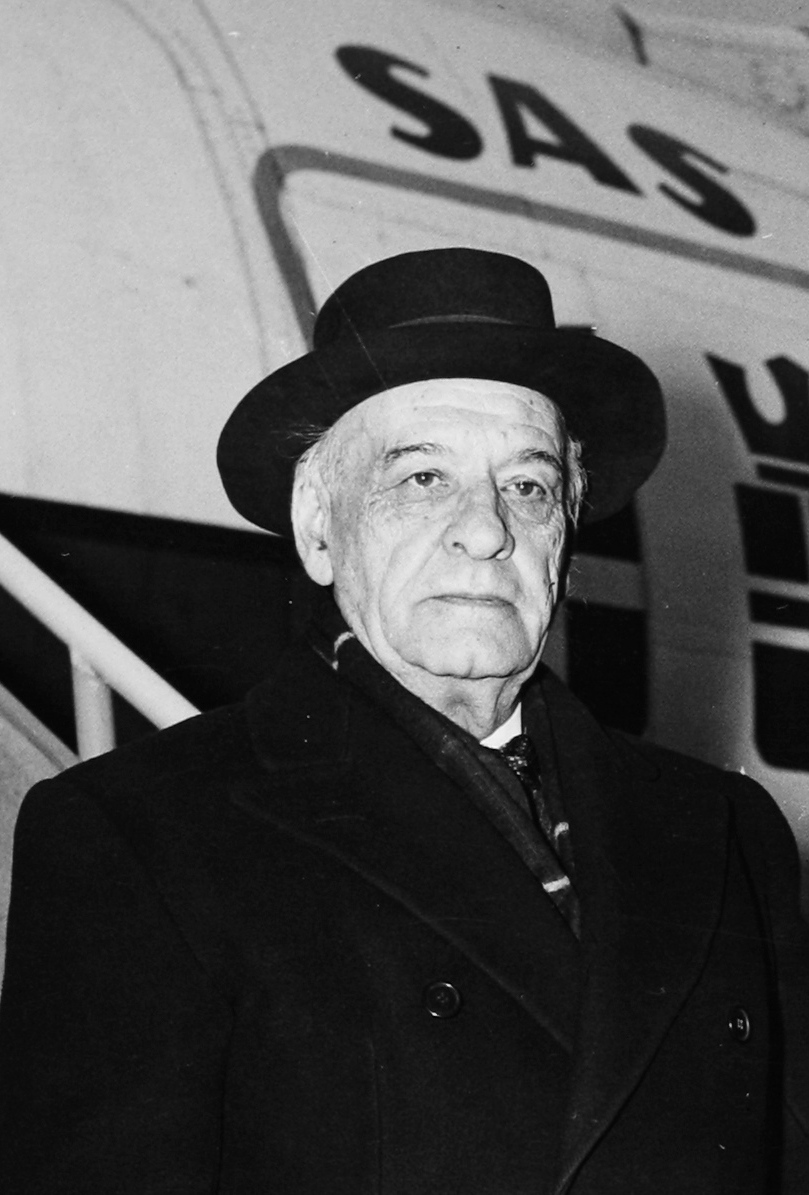
0 sources
Summary
José Ortega y Gasset was born on May 9, 1883[1], in Madrid[2]. He died on October 18, 1955[3], in Madrid[4]. He worked as a philosopher[5], pedagogue[6], writer[7], university teacher[8], and sociologist[9]. He ranks in the top 0.71% of human entities by monthly Wikipedia readership (9,344 views/month, #7,134 of 1,000,298).[10]
Key Facts
- Place of burial: San Isidro Cemetery[11]
- Father: José Ortega Munilla[12]
- Mother: Dolores Gasset Chinchilla[13]
- Spouse: Rosa Spottorno Topete[14]
- Child: José Ortega Spottorno[15], Soledad Ortega Spottorno[16], Miguel Ortega[17]
- Country of citizenship: Spain[18]
- Occupation: literary critic[19], opinion journalist[20], politician[21], translator[22], essayist[23], philosopher of culture[24]
- Field of work: philosophy[25]
- Position held: vocal of the Junta para Ampliación de Estudios e Investigaciones científicas[26], Member of the Cortes republicanas[27], Academic of the Royal Academy of Moral and Political Sciences[28]
- Employer: Universidad Central[29]
- Educated at: Universidad Central[30], University of Deusto[31], St. Stanislaus Kostka College, Málaga[32], University of Marburg[33]
- Student: Antonio Rodríguez Huéscar[34]
- Award received: Goethe Plaque of the City of Frankfurt[35], Goethe Medal for Art and Science[36]
- Member of: Royal Academy of Moral and Political Sciences[37], Bavarian Academy of Fine Arts[38], Royal Galician Academy[39], Koninklijke Vlaamse Academie van België voor Wetenschappen en Kunsten[40]
- Sex or gender: male[41]
- Member of political party: Agrupación al Servicio de la República[42]
- Movement: Noucentisme[43]
- Commons category: José Ortega y Gasset[44]
- Residence: Madrid[45], Paris[46], Leiden[47], Lisbon[48], Buenos Aires[49], Málaga[50], Bilbao[51]
- Family name: Ortega[52]
- Given name: José[53]
- Topic's main category: Category:José Ortega y Gasset[54]
Body
Works and Contributions
Things named for José Ortega y Gasset include Ortega y Gasset Awards[55], a journalism prize[56], in Spain[57], founded in 1984[58] and Instituto Universitario Ortega y Gasset[59], a research institute[60], in Spain[61].
Why It Matters
José Ortega y Gasset has Wikipedia articles in 27 language editions, a strong signal of global cultural recognition.[62] He is known by 57 alternative names across languages and contexts.[63]
He has been cited as an influence by Chantal Delsol[64], a philosopher[65], b. 1947[66], of France[67], awarded the Knight of the Legion of Honour[68], specialised in political philosophy[69] and Vasily Seseman[70], a philosopher[71], 1884–1963[72], of Russian Empire[73].
Works attributed to him include The Revolt of the Masses[74], a news article[75]. Entities named for him include Ortega y Gasset Awards[55], a journalism prize[56], in Spain[57], founded in 1984[58] and Instituto Universitario Ortega y Gasset[59], a research institute[60], in Spain[61].
FAQs
Where was José Ortega y Gasset born?
José Ortega y Gasset's place of birth was Madrid[2].
Where did José Ortega y Gasset die?
José Ortega y Gasset passed away in Madrid[4].
Who were José Ortega y Gasset's parents?
José Ortega y Gasset's father was José Ortega Munilla[12]. José Ortega y Gasset's mother was Dolores Gasset Chinchilla[13].
Who was José Ortega y Gasset married to?
José Ortega y Gasset's spouses include Rosa Spottorno Topete[14].
What did José Ortega y Gasset do for work?
José Ortega y Gasset worked as a philosopher[5], pedagogue[6], writer[7], university teacher[8], and sociologist[9].
Where did José Ortega y Gasset go to school?
José Ortega y Gasset was educated at Universidad Central[30], University of Deusto[31], St. Stanislaus Kostka College, Málaga[32], and University of Marburg[33].
What awards did José Ortega y Gasset receive?
Honors received include Goethe Plaque of the City of Frankfurt[35] and Goethe Medal for Art and Science[36].
Who did José Ortega y Gasset influence?
José Ortega y Gasset has been cited as an influence by Chantal Delsol[64] and Vasily Seseman[70].