
Jean-Antoine-Nicolas de Caritat de Condorcet
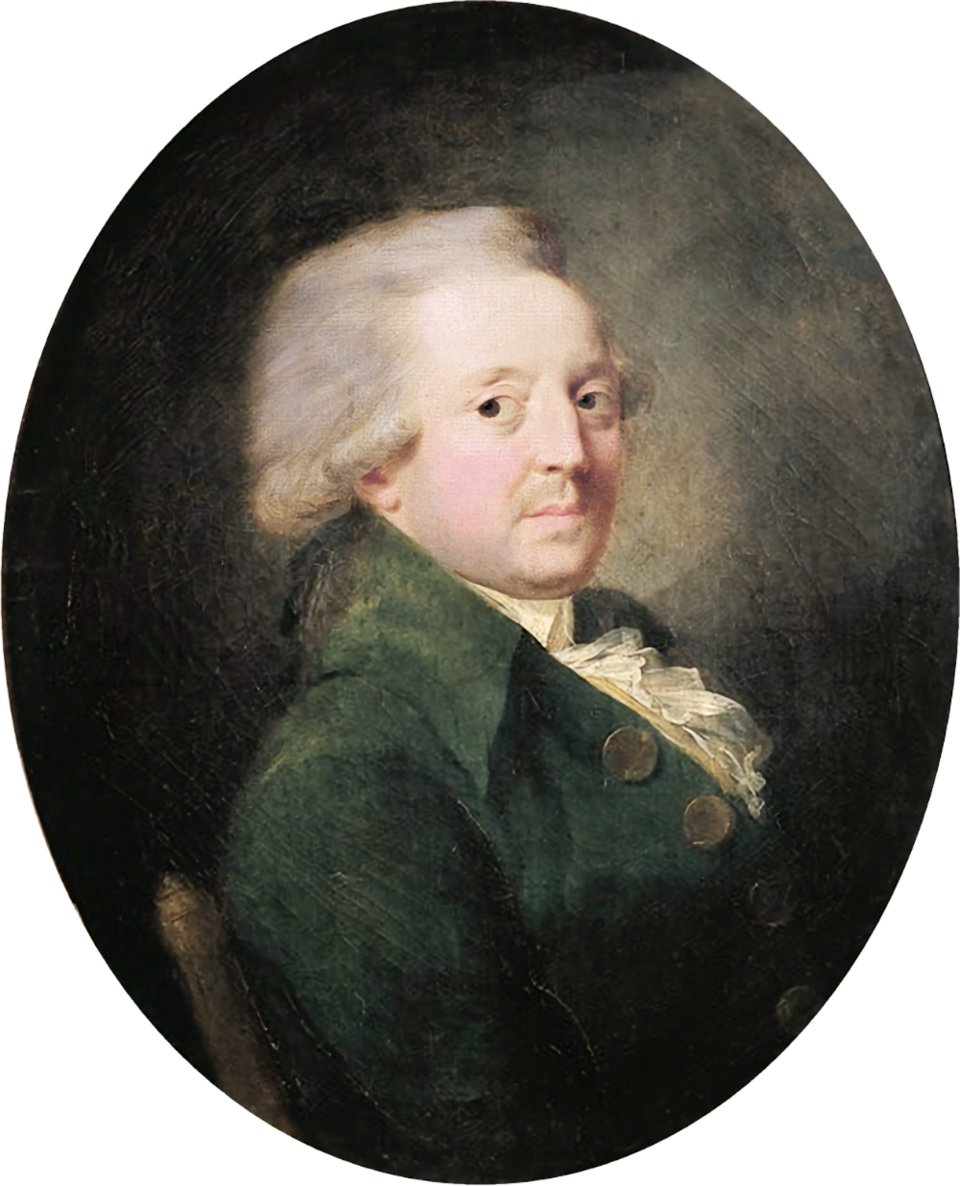
0 sources
Jean-Antoine-Nicolas de Caritat de Condorcet
Summary
Jean-Antoine-Nicolas de Caritat de Condorcet is a human[1]. He was born in Ribemont[2]. He was born on September 17, 1743[3]. He passed away in Bourg-la-Reine[4]. He died on March 28, 1794[5]. He worked as a philosopher[6], mathematician[7], economist[8], politician[9], and political scientist[10]. He ranks in the top 0.7% of human entities by monthly Wikipedia readership (2,318 views/month, #7,001 of 1,000,298).[11]
Key Facts
- Born in Ribemont[2], Jean-Antoine-Nicolas de Caritat de Condorcet…
- Jean-Antoine-Nicolas de Caritat de Condorcet passed away in Bourg-la-Reine[4].
- Jean-Antoine-Nicolas de Caritat de Condorcet was born on September 17, 1743[3].
- Jean-Antoine-Nicolas de Caritat de Condorcet died on March 28, 1794[5].
- Jean-Antoine-Nicolas de Caritat de Condorcet is buried at Panthéon[12].
- Jean-Antoine-Nicolas de Caritat de Condorcet was married to Sophie de Condorcet[13].
- A child of Jean-Antoine-Nicolas de Caritat de Condorcet was Elisa de Caritat de Condorcet[14].
- Jean-Antoine-Nicolas de Caritat de Condorcet held citizenship in France[15].
- French was Jean-Antoine-Nicolas de Caritat de Condorcet's native language[16].
- Jean-Antoine-Nicolas de Caritat de Condorcet's professions included philosopher[6].
- Jean-Antoine-Nicolas de Caritat de Condorcet worked as a mathematician[7].
- Jean-Antoine-Nicolas de Caritat de Condorcet worked as an economist[8].
- Jean-Antoine-Nicolas de Caritat de Condorcet's professions included politician[9].
- Jean-Antoine-Nicolas de Caritat de Condorcet worked as a political scientist[10].
- Jean-Antoine-Nicolas de Caritat de Condorcet worked as a biographer[17].
- Jean-Antoine-Nicolas de Caritat de Condorcet's field of work was mathematics[18].
- Jean-Antoine-Nicolas de Caritat de Condorcet held the position of member of the French National Assembly[19].
- Jean-Antoine-Nicolas de Caritat de Condorcet held the position of Perpetual Secretary[20].
- Jean-Antoine-Nicolas de Caritat de Condorcet held the position of seat 39 of the Académie française[21].
- Jean-Antoine-Nicolas de Caritat de Condorcet held the position of president of the French National Assembly[22].
- Jean-Antoine-Nicolas de Caritat de Condorcet held the position of member of the French National Assembly[23].
- Jean-Antoine-Nicolas de Caritat de Condorcet's education included a stint at University of Paris[24].
- A notable work attributed to Jean-Antoine-Nicolas de Caritat de Condorcet is Outlines of an historical view of the progress of the human mind[25].
- A notable work attributed to Jean-Antoine-Nicolas de Caritat de Condorcet is Condorcet criterion[26].
- A notable work attributed to Jean-Antoine-Nicolas de Caritat de Condorcet is voting paradox (Condorcet)[27].
Body
Origins and Family
Born in Ribemont[2], Jean-Antoine-Nicolas de Caritat de Condorcet… he was born on September 17, 1743[3]. French was his native language[16].
Education
Jean-Antoine-Nicolas de Caritat de Condorcet was educated at University of Paris[24].
Career and Affiliations
Recorded occupations include philosopher[6], mathematician[7], economist[8], politician[9], political scientist[10], and biographer[17]. Jean-Antoine-Nicolas de Caritat de Condorcet's field of work was mathematics[18]. Positions held include member of the French National Assembly[19], a position[28], in France[29], founded in 1789[30]; Perpetual Secretary[20], a position[31]; seat 39 of the Académie française[21]; and president of the French National Assembly[22].
Works and Contributions
Notable works include Outlines of an historical view of the progress of the human mind[25], a written work[32]; Condorcet criterion[26], a voting criterion[33]; voting paradox (Condorcet)[27], a paradox[34]; Condorcet method[35], a procedure[36]; Réflexions sur l'esclavage des nègres[37], a version, edition or translation[38]; and De la situation du trésor public au 1er juin 1791[39], a version, edition or translation[40]. Things named for Jean-Antoine-Nicolas de Caritat de Condorcet include Condorcet method[41], a procedure[42]; voting paradox (Condorcet)[43], a paradox[44]; Condorcet criterion[45], a voting criterion[46]; Condorcet's jury theorem[47]; Condorcet[48]; Prix Condorcet[49]; and Lycée Condorcet[50].
Recognition
Awards received include Fellow of the American Academy of Arts and Sciences[51], a fellowship award[52].
Personal Life
Among Jean-Antoine-Nicolas de Caritat de Condorcet's spouses was Sophie de Condorcet[13]. A child of him was Elisa de Caritat de Condorcet[14]. His religion is recorded as atheism[53]. He was affiliated with the Girondists[54].
Death and Burial
Jean-Antoine-Nicolas de Caritat de Condorcet died on March 28, 1794[5]. He died in Bourg-la-Reine[4]. The cause of death was intoxication[55]. Burial took place at Panthéon[12].
Why It Matters
Jean-Antoine-Nicolas de Caritat de Condorcet ranks in the top 0.7% of human entities by monthly Wikipedia readership (2,318 views/month, #7,001 of 1,000,298).[11] He has Wikipedia articles in 26 language editions, a strong signal of global cultural recognition.[56] He is known by 114 alternative names across languages and contexts.[57]
He has been cited as an influence by Élisabeth Badinter[58], a philosopher[59], b. 1944[60], of France[61], awarded the Commandeur des Arts et des Lettres[62], specialised in feminism[63] and Jules Michelet[64], a historian[65], 1798–1874[66], of France[67], awarded the Concours général[68], specialised in history of France[69].
He is credited with the discovery of voting paradox (Condorcet)[70], a paradox[71] and Condorcet criterion[72], a voting criterion[73]. Works attributed to him include Sketch for a Historical Picture of the Progress of the Human Mind[74], a literary work[75]. Entities named for him include Condorcet method[41], a procedure[42]; voting paradox (Condorcet)[43], a paradox[44]; Condorcet criterion[45], a voting criterion[46]; Condorcet's jury theorem[47]; Condorcet[48]; and Prix Condorcet[49].
FAQs
Where was Jean-Antoine-Nicolas de Caritat de Condorcet born?
Jean-Antoine-Nicolas de Caritat de Condorcet was born in Ribemont[2].
Where did Jean-Antoine-Nicolas de Caritat de Condorcet die?
Jean-Antoine-Nicolas de Caritat de Condorcet passed away in Bourg-la-Reine[4].
Who was Jean-Antoine-Nicolas de Caritat de Condorcet married to?
Jean-Antoine-Nicolas de Caritat de Condorcet's spouses include Sophie de Condorcet[13].
What did Jean-Antoine-Nicolas de Caritat de Condorcet do for work?
Jean-Antoine-Nicolas de Caritat de Condorcet worked as philosopher[6], mathematician[7], economist[8], politician[9], and political scientist[10].
Where did Jean-Antoine-Nicolas de Caritat de Condorcet go to school?
Jean-Antoine-Nicolas de Caritat de Condorcet was educated at University of Paris[24].
What awards did Jean-Antoine-Nicolas de Caritat de Condorcet receive?
Honors received include Fellow of the American Academy of Arts and Sciences[51] and Fellow of the American Academy of Arts and Sciences[76].
Who did Jean-Antoine-Nicolas de Caritat de Condorcet influence?
Jean-Antoine-Nicolas de Caritat de Condorcet has been cited as an influence by Élisabeth Badinter[58] and Jules Michelet[64].
What did Jean-Antoine-Nicolas de Caritat de Condorcet discover?
Jean-Antoine-Nicolas de Caritat de Condorcet is credited as discoverer of voting paradox (Condorcet)[70] and Condorcet criterion[72].