
Jamal al-Din al-Afghani
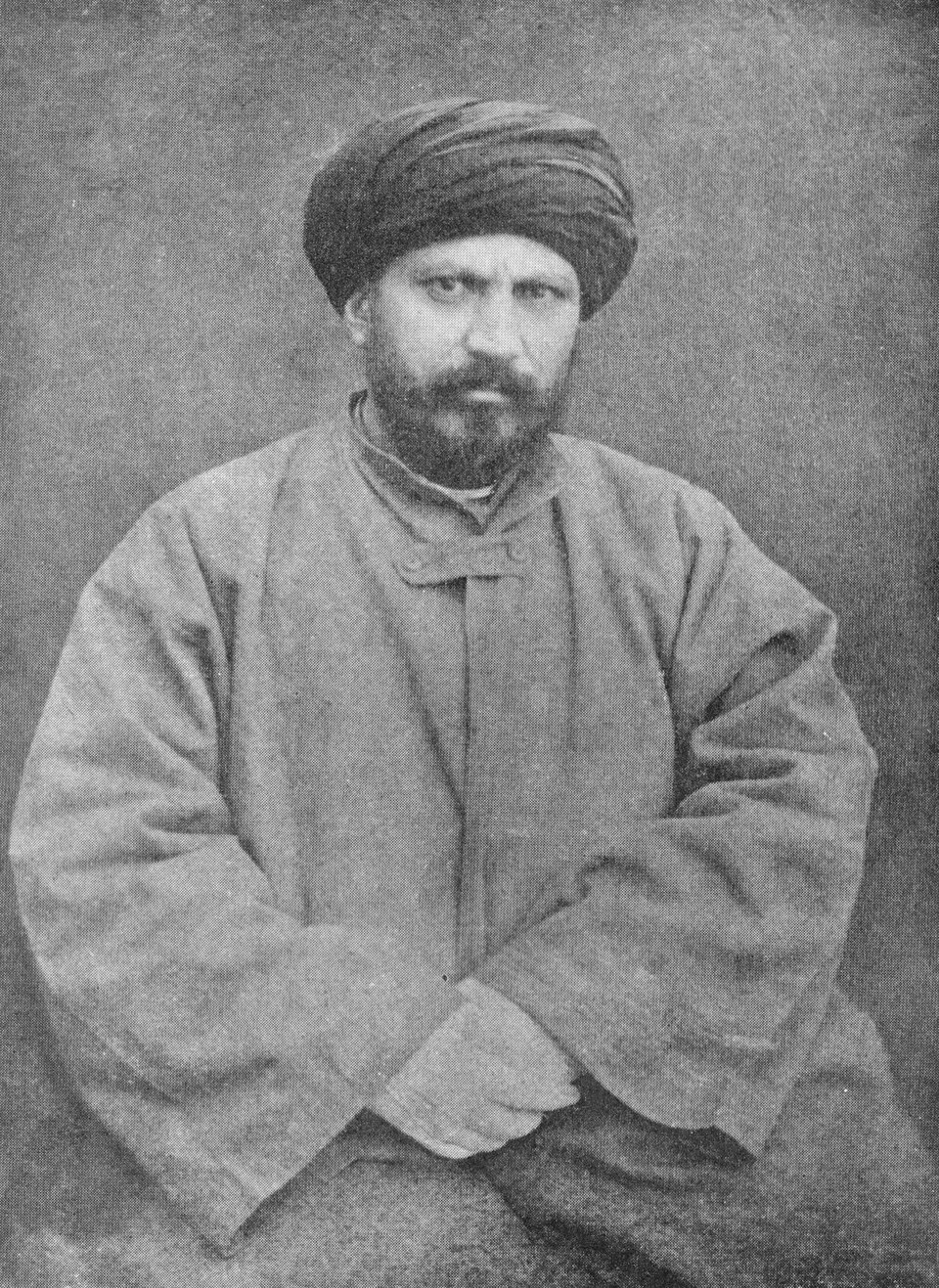
0 sources
Summary
Jamal al-Din al-Afghani was born on 1838[1] in Asadabad[2]. He died on March 9, 1897[3], in Constantinople[4]. He worked as a theologian[5], journal editor[6], journalist[7], politician[8], and activist[9]. He ranks in the top 0.7% of human entities by monthly Wikipedia readership (3,373 views/month, #6,990 of 1,000,298).[10]
Key Facts
- Date of birth: January 1, 1839[11]
- Date of death: 1897[12]
- Place of burial: Kabul Province[13]
- Country of citizenship: Afghanistan[14]
- Occupation: religious writer[15], philosopher[16], writer[17], intellectual[18]
- Student: Muhammad Abduh[19], As'ad al-Shuqayri[20]
- Religion or worldview: Islam[21]
- Sex or gender: male[22]
- Commons category: Jamal-al-din al-Afghani[23]
- Cause of death: jaw cancer[24]
- Given name: Jamal[25], Muhammad[26]
- Manner of death: natural causes[27]
- Described by source: Dictionary of African Biography[28], Islamskiy entsiklopedicheskiy slovar'[29], Africa: An Encyclopedic Reference[30], al-Aʻlām (Dār al-ʻIlm, 2002)[31]
- Languages spoken, written or signed: Turkish[32], Arabic[33], Pashto[34], Dari[35], Persian[36]
- Name in native language: جمال الدين الحسيني الأفغاني[37], محمد بن صفدر الحسيني الأفغاني[38]
- Name: سيد جمال الدين افغان[39]
Why It Matters
Jamal al-Din al-Afghani has Wikipedia articles in 26 language editions, a strong signal of global cultural recognition.[40] He is known by 100 alternative names across languages and contexts.[41]
He has been cited as an influence by Hassan al-Banna[42], a preacher[43], 1906–1949[44], of Ottoman Empire[45]; Mustafa Kamil[46], a politician[47], 1874–1908[48]; Abd al-Rahman al-Kawakibi[49], a theologian[50], 1855–1902[51], of Ottoman Empire[52], specialised in philosophy[53]; and ʿAbd al-Qādir Maghribī[54], a writer[55], 1867–1956[56], of Ottoman Empire[57].
FAQs
Where was Jamal al-Din al-Afghani born?
Jamal al-Din al-Afghani's place of birth was Asadabad[2].
Where did Jamal al-Din al-Afghani die?
Jamal al-Din al-Afghani died in Constantinople[4].
What did Jamal al-Din al-Afghani do for work?
Jamal al-Din al-Afghani worked as a theologian[5], journal editor[6], journalist[7], politician[8], and activist[9].
Who did Jamal al-Din al-Afghani influence?
Jamal al-Din al-Afghani has been cited as an influence by Hassan al-Banna[42], Mustafa Kamil[46], Abd al-Rahman al-Kawakibi[49], and ʿAbd al-Qādir Maghribī[54].