
Irène Joliot-Curie
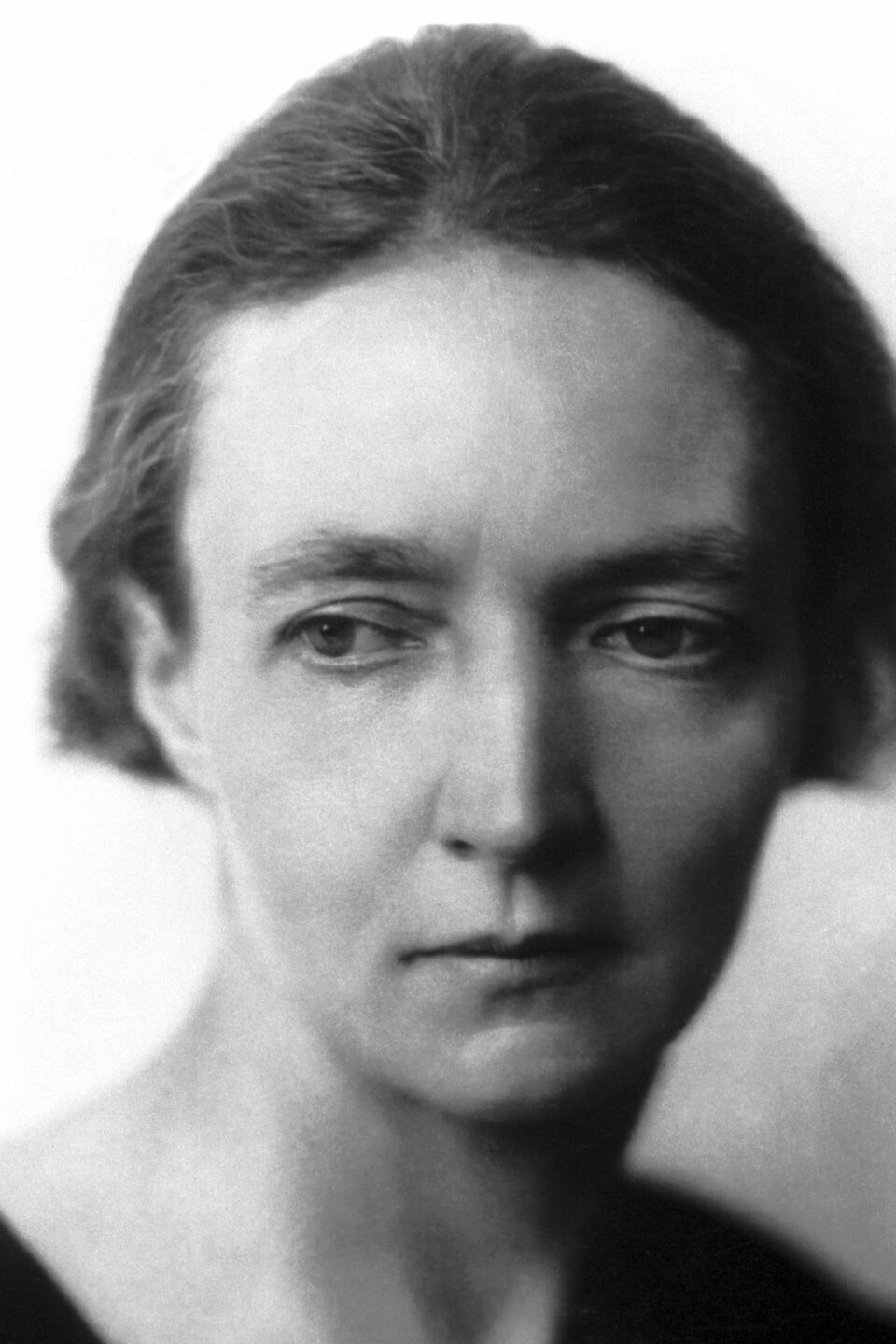
0 sources
Summary
Irène Joliot-Curie was born on September 12, 1897[1], in 13th arrondissement of Paris[2]. She died on March 17, 1956[3], in Paris[4]. She worked as a physicist[5], chemist[6], professor[7], politician[8], and nuclear physicist[9]. She ranks in the top 0.62% of human entities by monthly Wikipedia readership (14,396 views/month, #6,252 of 1,000,298).[10]
Key Facts
- Place of burial: Cemetery Sceaux[11]
- Father: Pierre Curie[12]
- Mother: Marie Curie[13]
- Spouse: Frédéric Joliot-Curie[14]
- Child: Pierre Joliot[15], Hélène Langevin-Joliot[16]
- Country of citizenship: France[17]
- Occupation: researcher[18]
- Field of work: chemistry[19], radiobiology[20]
- Position held: undersecretary[21]
- Employer: Science Faculty of Paris[22]
- Educated at: Science Faculty of Paris[23], Collège Sévigné[24], University of Paris[25]
- Doctoral advisor: Paul Langevin[26]
- Award received: Officer of the Legion of Honour[27], Nobel Prize in Chemistry[28], honorary doctor of the Jagiellonian University of Krakow[29], Matteucci Medal[30], Order of the Cross of Grunwald, 3rd class[31], Barnard Medal for Meritorious Service to Science[32], honorary doctor of the Maria Curie-Skłodowska University[33], Commander with Star of the Order of Polonia Restituta[34], 72 scientist women names on the Eiffel tower[35]
- Member of: German Academy of Sciences at Berlin[36], Russian Academy of Sciences[37], Royal Academy of Medicine of Belgium[38], Royal Netherlands Academy of Arts and Sciences[39], Polish Academy of Sciences[40], Romanian Academy[41]
- Sex or gender: female[42]
- Doctoral student: Yang Chengzong[43]
- Commons category: Irène Joliot-Curie[44]
- Cause of death: leukemia[45]
- Residence: Paris[46]
- Family name: Joliot-Curie[47]
- Given name: Irène[48]
- Relative: Jacques Curie[49], Józef Skłodowski[50], Bronia Dłuska[51], Helena Skłodowska-Szalay[52], Maurice Curie[53], Helena Dłuska[54]
- Student of: Paul Langevin[55]
Body
Works and Contributions
Things named for Irène Joliot-Curie include Laboratoire de Physique des 2 Infinis Irène Joliot-Curie[56], a French UMR[57], in France[58], founded in 2020[59], headquartered in Lille[60]; Irène-Joliot-Curie Prize[61], a science award[62], in France[63], founded in 2001[64]; Joliot-Curie Prize[65], a science award[66], in France[67], founded in 1956[68]; joliotite[69], a mineral species[70]; and Joliot-Curie[71], an impact crater[72].
Why It Matters
Irène Joliot-Curie has Wikipedia articles in 30 language editions, a strong signal of global cultural recognition.[73] She is known by 24 alternative names across languages and contexts.[74]
Entities named for her include Laboratoire de Physique des 2 Infinis Irène Joliot-Curie[56], a French UMR[57], in France[58], founded in 2020[59], headquartered in Lille[60]; Irène-Joliot-Curie Prize[61], a science award[62], in France[63], founded in 2001[64]; Joliot-Curie Prize[65], a science award[66], in France[67], founded in 1956[68]; joliotite[69], a mineral species[70]; and Joliot-Curie[71], an impact crater[72].
FAQs
Where was Irène Joliot-Curie born?
Irène Joliot-Curie's place of birth was 13th arrondissement of Paris[2].
Where did Irène Joliot-Curie die?
Irène Joliot-Curie died in Paris[4].
Who were Irène Joliot-Curie's parents?
Irène Joliot-Curie's father was Pierre Curie[12]. Irène Joliot-Curie's mother was Marie Curie[13].
Who was Irène Joliot-Curie married to?
Irène Joliot-Curie's spouses include Frédéric Joliot-Curie[14].
What did Irène Joliot-Curie do for work?
Irène Joliot-Curie worked as a physicist[5], chemist[6], professor[7], politician[8], and nuclear physicist[9].
Where did Irène Joliot-Curie go to school?
Irène Joliot-Curie was educated at Science Faculty of Paris[23], Collège Sévigné[24], and University of Paris[25].
What awards did Irène Joliot-Curie receive?
Honors received include Officer of the Legion of Honour[27], Nobel Prize in Chemistry[28], honorary doctor of the Jagiellonian University of Krakow[29], and Matteucci Medal[30].