
Hristo Botev
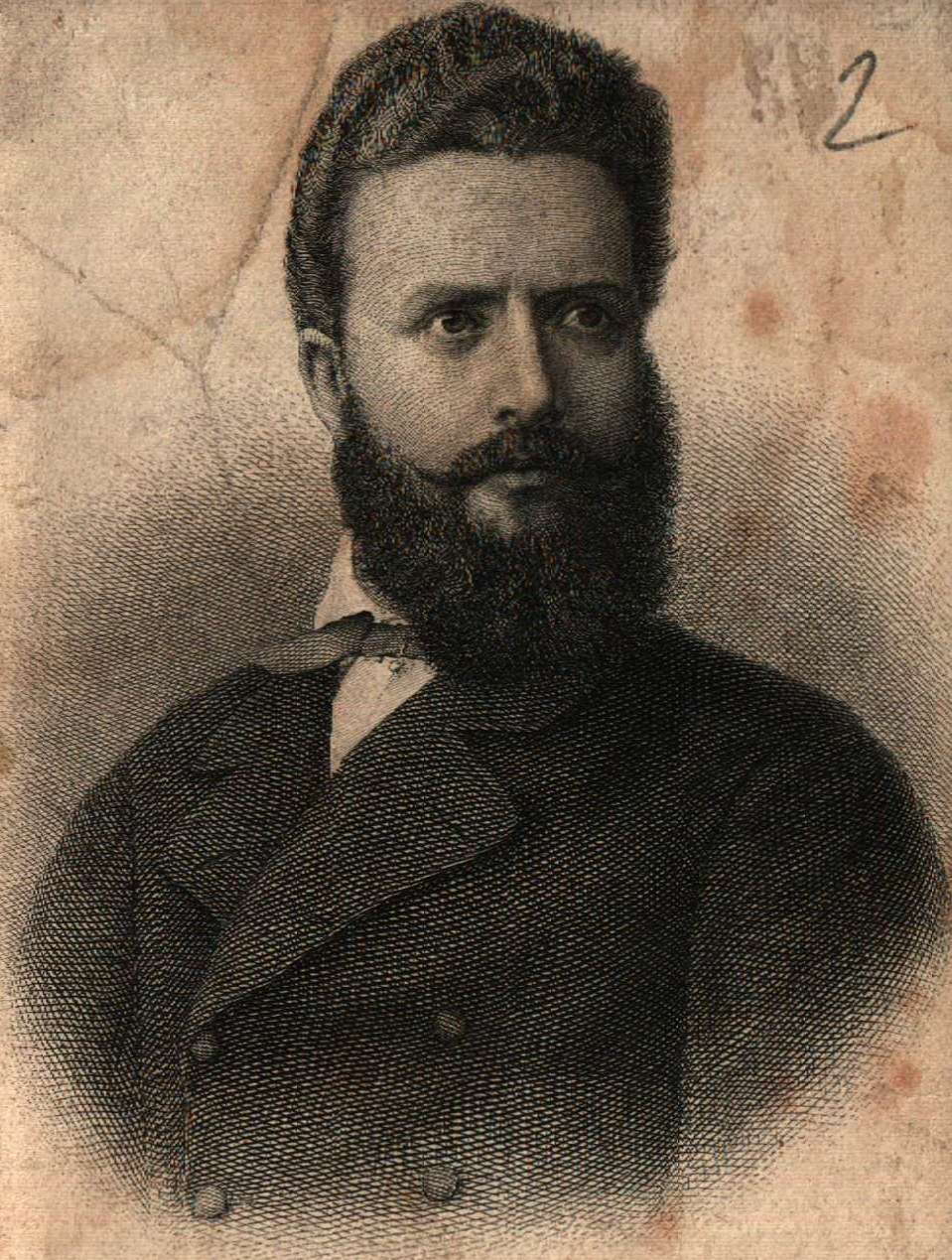
0 sources
Summary
Hristo Botev was born on December 25, 1847[1], in Kalofer[2]. He died on May 20, 1876[3], in Vrachanska Mountains[4]. He worked as a poet[5], writer[6], journalist[7], revolutionary[8], and teacher[9]. He ranks in the top 0.72% of human entities by monthly Wikipedia readership (1,267 views/month, #7,162 of 1,000,298).[10]
Key Facts
- Date of birth: January 6, 1848[11]
- Date of death: June 1, 1876[12]
- Father: Botyo Petkov[13]
- Mother: Ivanka Boteva[14]
- Spouse: Veneta Boteva[15]
- Child: Ivanka Boteva[16]
- Country of citizenship: Ottoman Empire[17]
- Native language: Bulgarian[18]
- Occupation: translator[19], politician[20]
- Notable work: Powieszenie Wasyla Lewskiego[21]
- Influenced by: Alexander Pushkin[22], Alexander Herzen[23], Nikolay Chernyshevsky[24], Lord Byron[25], Mikhail Lermontov[26], Georgi Rakovski[27], Mikhail Bakunin[28]
- Sex or gender: male[29]
- Commons category: Hristo Botev[30]
- Family name: Botev[31]
- Given name: Hristo[32]
- Topic's main category: Category:Hristo Botev[33]
- Manner of death: death in battle[34]
- Described by source: Nordisk familjebok[35], Great Encyclopedia “Bulgaria”[36], Brockhaus and Efron Encyclopedic Dictionary[37], Small Brockhaus and Efron Encyclopedic Dictionary[38]
- Military casualty classification: killed in action[39]
- Languages spoken, written or signed: Bulgarian[40]
- Birth name: Христо Ботьов Петков[41]
- Name in native language: Христо Ботев[42]
- Owner of: Cheta of Hristo Botev[43]
- Different from: Hristo Botev[44]
- Number of children: 1[45]
Body
Works and Contributions
Things named for Hristo Botev include Hristo Botev Stadium[46], an association football venue[47], in Bulgaria[48], founded in 1961[49]; Botevgrad[50], a municipality seat[51], in Bulgaria[52]; International Botev Prize[53], an award[54], in Bulgaria[55], founded in 1972[56]; Botiieve[57], a village of Ukraine[58], in Ukraine[59]; Bulgarian Partisan Battalion[60]; Khrysto-Boteve[61]; Botevo[62]; and he - 1884[63].
Why It Matters
Hristo Botev has Wikipedia articles in 22 language editions, a strong signal of global cultural recognition.[64] He is known by 39 alternative names across languages and contexts.[65]
He has been cited as an influence by Ivan Vazov[66], a poet[67], 1850–1921[68], of Bulgaria[69], awarded the Order of Saints Cyril and Methodius Equal-to-apostles[70].
Entities named for him include Hristo Botev Stadium[46], an association football venue[47], in Bulgaria[48], founded in 1961[49]; Botevgrad[50], a municipality seat[51], in Bulgaria[52]; International Botev Prize[53], an award[54], in Bulgaria[55], founded in 1972[56]; Botiieve[57], a village of Ukraine[58], in Ukraine[59]; and Bulgarian Partisan Battalion[60].
FAQs
Where was Hristo Botev born?
Hristo Botev was born in Kalofer[2].
Where did Hristo Botev die?
Hristo Botev died in Vrachanska Mountains[4].
Who were Hristo Botev's parents?
Hristo Botev's father was Botyo Petkov[13]. Hristo Botev's mother was Ivanka Boteva[14].
Who was Hristo Botev married to?
Hristo Botev's spouses include Veneta Boteva[15].
What did Hristo Botev do for work?
Hristo Botev worked as a poet[5], writer[6], journalist[7], revolutionary[8], and teacher[9].
Who did Hristo Botev influence?
Hristo Botev has been cited as an influence by Ivan Vazov[66].