
Georg Magnus Sprengtporten
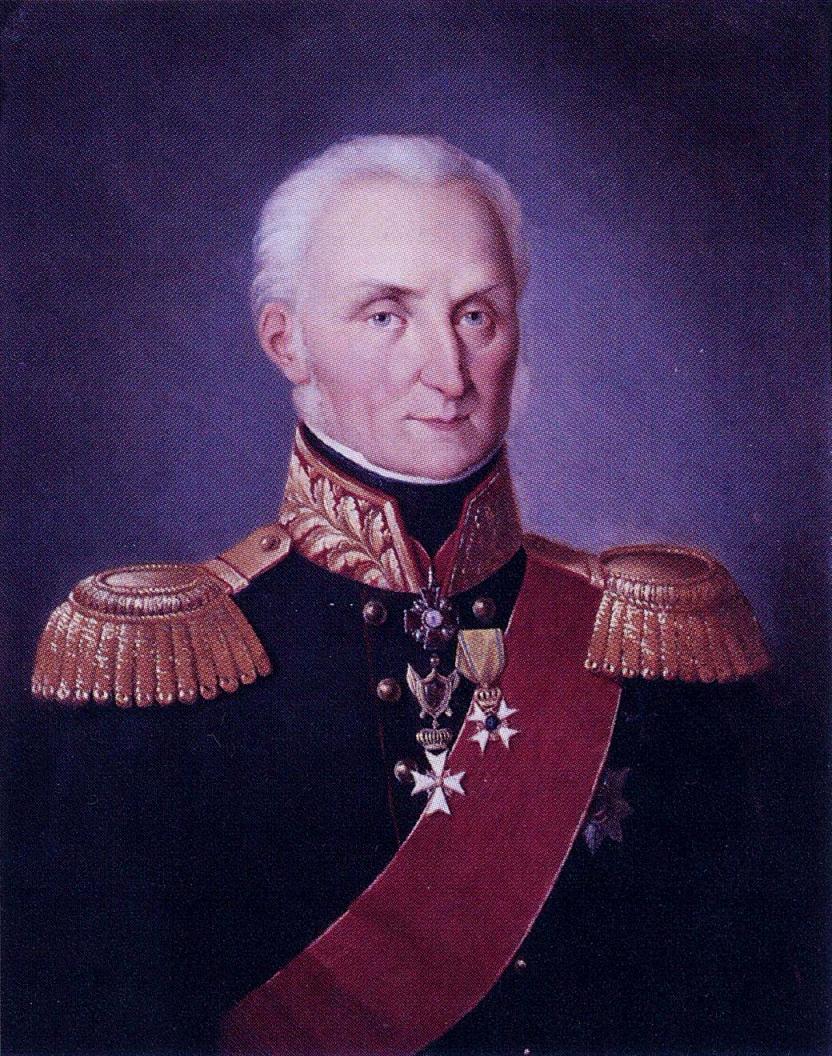
0 sources
Georg Magnus Sprengtporten
Summary
Georg Magnus Sprengtporten is a human[1]. His place of birth was Porvoo[2]. He was born on December 16, 1740[3]. He died in Saint Petersburg[4]. He died on October 13, 1819[5]. He worked as a politician[6] and military personnel[7]. He has Wikipedia articles in 10 language editions, a strong signal of global cultural recognition.[8]
Key Facts
- Born in Porvoo[2], Georg Magnus Sprengtporten…
- Georg Magnus Sprengtporten passed away in Saint Petersburg[4].
- Georg Magnus Sprengtporten was born on December 16, 1740[3].
- Georg Magnus Sprengtporten was born on August 16, 1740[9].
- Georg Magnus Sprengtporten died on October 13, 1819[5].
- Georg Magnus Sprengtporten is buried at Smolensky Lutheran Cemetery[10].
- Georg Magnus Sprengtporten's father was Magnus Wilhelm Sprengtport[11].
- Georg Magnus Sprengtporten held citizenship in Russian Empire[12].
- Georg Magnus Sprengtporten held citizenship in Grand Duchy of Finland[13].
- Swedish was Georg Magnus Sprengtporten's native language[14].
- Georg Magnus Sprengtporten worked as a politician[6].
- Georg Magnus Sprengtporten's professions included military personnel[7].
- Georg Magnus Sprengtporten held the position of Governor-General of Finland[15].
- A notable work attributed to Georg Magnus Sprengtporten is Q42904309[16].
- Georg Magnus Sprengtporten received the Order of Saint Anna, 1st class[17].
- Georg Magnus Sprengtporten received the Order of St. Alexander Nevsky with diamond signs[18].
- Georg Magnus Sprengtporten received the Order of Saint John of Jerusalem[19].
- Georg Magnus Sprengtporten received the Knight of the Order of the Sword[20].
- Georg Magnus Sprengtporten is recorded as male[21].
- Georg Magnus Sprengtporten's instance of is recorded as human[22].
- Georg Magnus Sprengtporten's family is recorded as Sprengtporten[23].
- Georg Magnus Sprengtporten's Commons category is recorded as Göran Magnus Sprengtporten[24].
- Georg Magnus Sprengtporten's military, police or special rank is recorded as General of the Infantry[25].
- Georg Magnus Sprengtporten's residence is recorded as Seesta Manor[26].
- Georg Magnus Sprengtporten was part of the conflict Russo-Swedish War of 1788–1790[27].
Body
Origins and Family
Born in Porvoo[2], Georg Magnus Sprengtporten… Recorded date of birth include December 16, 1740[3] and August 16, 1740[9]. His father was Magnus Wilhelm Sprengtport[11]. Swedish was his native language[14].
Career and Affiliations
Recorded occupations include politician[6] and military personnel[7]. Georg Magnus Sprengtporten held the position of Governor-General of Finland[15].
Works and Contributions
A notable work attributed to Georg Magnus Sprengtporten is Q42904309[16].
Recognition
Awards received include Order of Saint Anna, 1st class[17], a grade of an order[28], in Russian Empire[29]; Order of St. Alexander Nevsky with diamond signs[18], a grade of an order[30], in Russian Empire[31]; Order of Saint John of Jerusalem[19], an award[32], in Russian Empire[33], founded in 1798[34]; and Knight of the Order of the Sword[20], a grade of an order[35], in Sweden[36].
Death and Burial
Georg Magnus Sprengtporten died on October 13, 1819[5]. He passed away in Saint Petersburg[4]. He is buried at Smolensky Lutheran Cemetery[10].
Why It Matters
Georg Magnus Sprengtporten has Wikipedia articles in 10 language editions, a strong signal of global cultural recognition.[8] He is known by 16 alternative names across languages and contexts.[37]
FAQs
Where was Georg Magnus Sprengtporten born?
Georg Magnus Sprengtporten was born in Porvoo[2].
Where did Georg Magnus Sprengtporten die?
Georg Magnus Sprengtporten passed away in Saint Petersburg[4].
Who were Georg Magnus Sprengtporten's parents?
Georg Magnus Sprengtporten's father was Magnus Wilhelm Sprengtport[11].
What did Georg Magnus Sprengtporten do for work?
Georg Magnus Sprengtporten worked as politician[6] and military personnel[7].
What awards did Georg Magnus Sprengtporten receive?
Honors received include Order of Saint Anna, 1st class[17], Order of St. Alexander Nevsky with diamond signs[18], Order of Saint John of Jerusalem[19], and Knight of the Order of the Sword[20].