
Ali Shariati
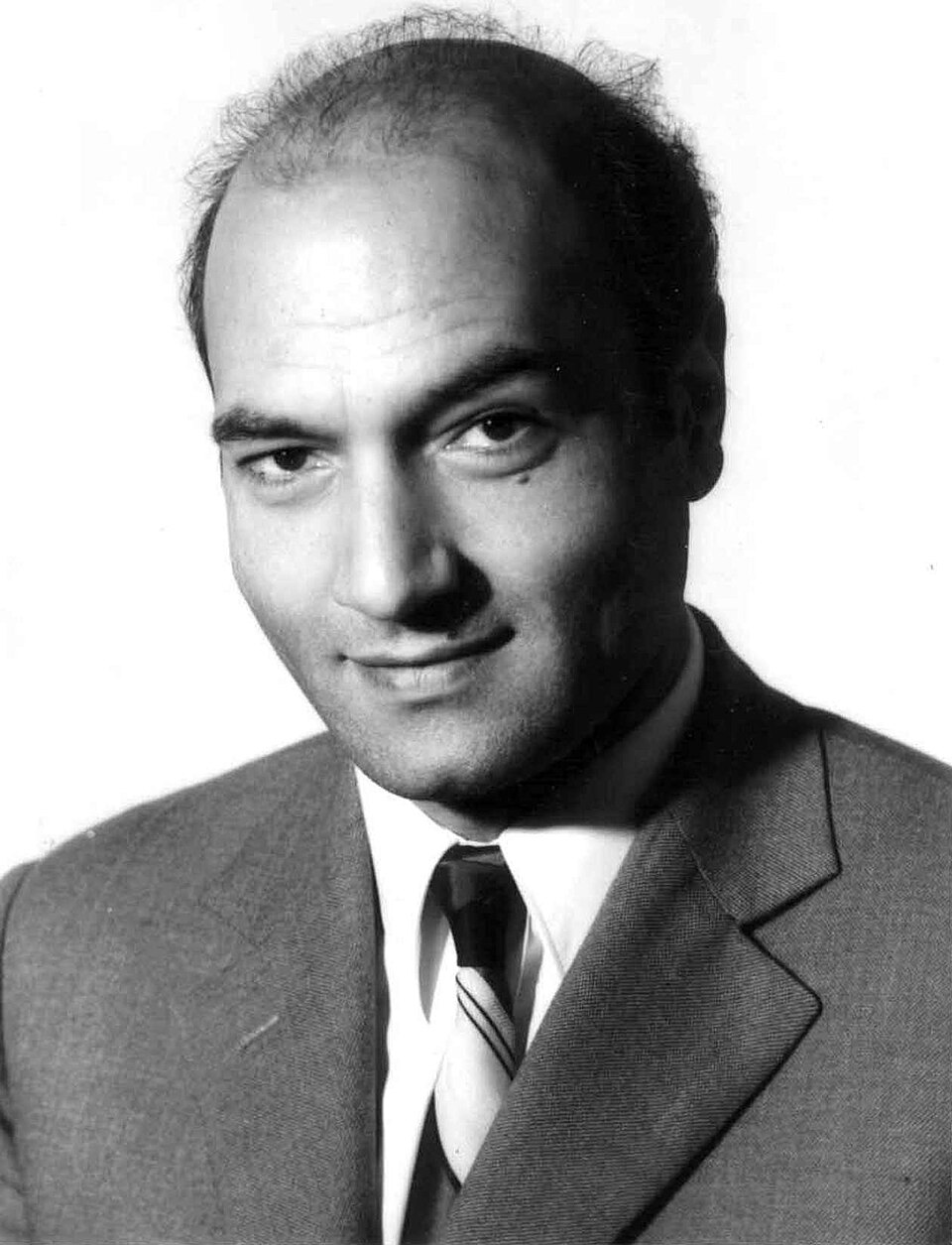
0 sources
Summary
Ali Shariati was born on November 23, 1933[1], in Mazinan[2]. He died on June 19, 1977[3], in Southampton[4]. He worked as a sociologist[5], essayist[6], poet[7], political activist[8], and translator[9]. He ranks in the top 0.66% of human entities by monthly Wikipedia readership (1,957 views/month, #6,627 of 1,000,298).[10]
Key Facts
- Date of death: June 18, 1977[11]
- Place of burial: Sayyidah Zaynab Mosque[12]
- Father: Mohammad-Taqi Shariati[13]
- Spouse: Pouran Shariat-Razavi[14]
- Child: Ehsan Shariati[15], Sara Shariati[16]
- Country of citizenship: Iran[17]
- Occupation: Islamicist[18], historian[19], teacher[20]
- Field of work: Islamism[21], Shia Islam[22], Persian literature[23], socialism[24], Sufism[25], Islam[26], sociologist[27], sociology[28], sociology of religion[29]
- Educated at: Faculty of Arts of Paris[30], Ferdowsi University of Mashhad[31]
- Doctoral advisor: Gilbert Lazard[32]
- Notable work: Hubut in Kavir[33], Guftuguhaye Tanha’i[34], Horr[35], Kavir[36], Red Shi'ism vs. Black Shi'ism[37], Fatemeh Is Fatemeh[38], The Philosophy of Supplication[39], Ba Mukhatabhaye Ashna[40]
- Member of: Ershad Hussainiya[41]
- Religion or worldview: Islam[42]
- Sex or gender: male[43]
- Member of political party: Freedom Movement of Iran[44]
- Commons category: Ali Shariati[45]
- Cause of death: attempted murder[46]
- Family name: Shariati[47]
- Given name: Ali[48]
- Official website: http://shariati.com[49]
- Topic's main category: Category:Ali Shariati[50]
- Relative: Mahmoud Rouhani[51]
- Student of: Abolhassan Foroughi[52]
- Manner of death: homicide[53]
- Languages spoken, written or signed: Persian[54], Arabic[55], French[56], English[57]
Body
Works and Contributions
Things named for Ali Shariati include Shariatism[58], a political movement[59].
Why It Matters
Ali Shariati has Wikipedia articles in 22 language editions, a strong signal of global cultural recognition.[60] He is known by 45 alternative names across languages and contexts.[61]
He has been cited as an influence by Seyed Javad Miri[62], a sociologist[63], b. 1971[64], specialised in sociology of religion[65].
Works attributed to him include Fatemeh Is Fatemeh[66], a literary work[67]. Entities named for him include Shariatism[58], a political movement[59].
FAQs
Where was Ali Shariati born?
Ali Shariati was born in Mazinan[2].
Where did Ali Shariati die?
Ali Shariati died in Southampton[4].
Who were Ali Shariati's parents?
Ali Shariati's father was Mohammad-Taqi Shariati[13].
Who was Ali Shariati married to?
Ali Shariati's spouses include Pouran Shariat-Razavi[14].
What did Ali Shariati do for work?
Ali Shariati worked as a sociologist[5], essayist[6], poet[7], political activist[8], and translator[9].
Where did Ali Shariati go to school?
Ali Shariati was educated at Faculty of Arts of Paris[30] and Ferdowsi University of Mashhad[31].
Who did Ali Shariati influence?
Ali Shariati has been cited as an influence by Seyed Javad Miri[62].