
Alexander Berkman
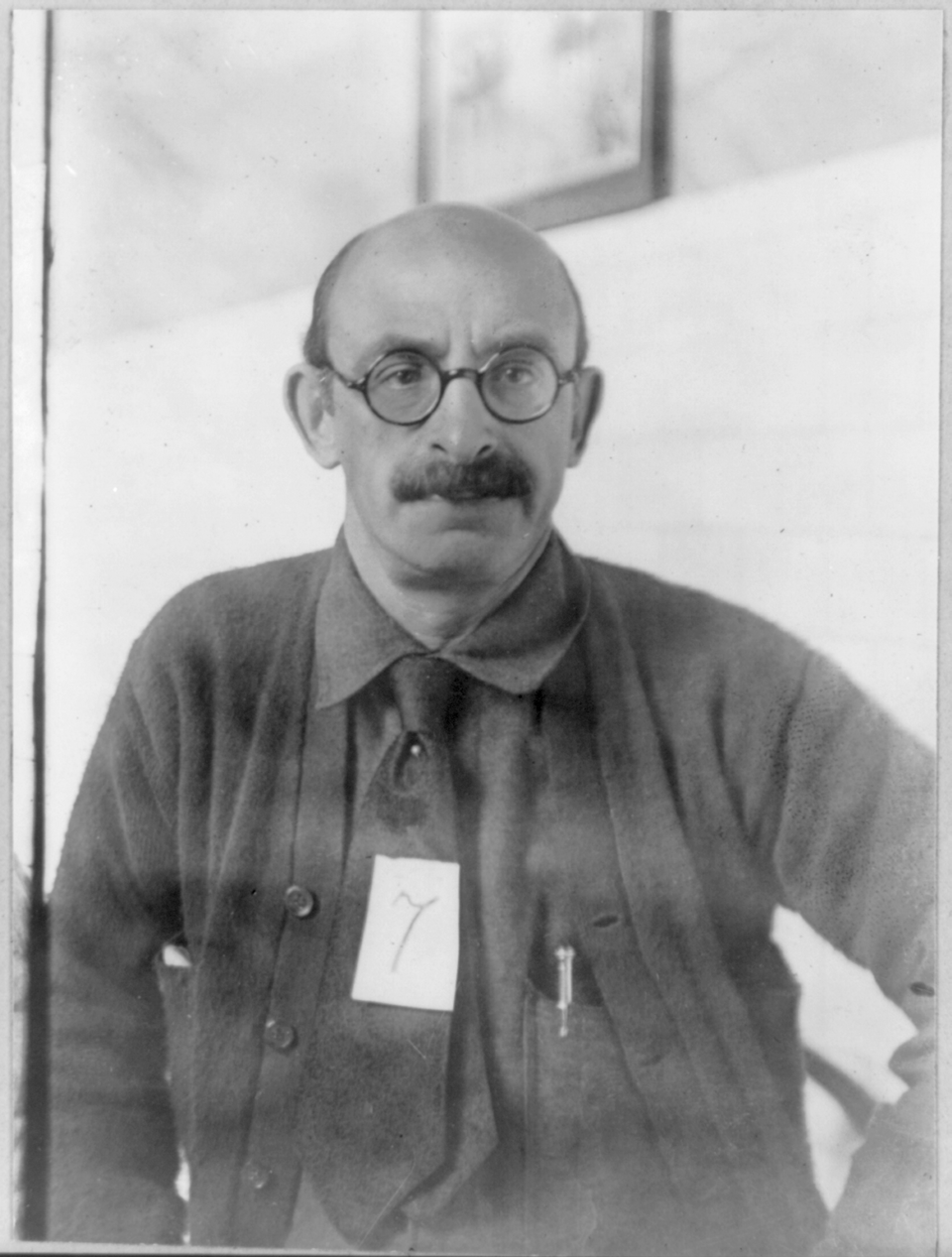
0 sources
Summary
Alexander Berkman is a human[1]. His place of birth was Vilnius[2]. He was born on November 21, 1870[3]. He died in Nice[4]. He died on June 28, 1936[5]. He worked as a typographer[6], writer[7], journalist[8], peace activist[9], and autobiographer[10]. He has Wikipedia articles in 26 language editions, a strong signal of global cultural recognition.[11]
Key Facts
- Alexander Berkman's place of birth was Vilnius[2].
- Alexander Berkman died in Nice[4].
- Alexander Berkman was born on November 21, 1870[3].
- Alexander Berkman died on June 28, 1936[5].
- Burial took place at Cimetière du Château[12].
- Alexander Berkman held citizenship in Russian Empire[13].
- Alexander Berkman held citizenship in Soviet Union[14].
- Alexander Berkman held citizenship in United States[15].
- Alexander Berkman held citizenship in France[16].
- Alexander Berkman is identified as part of the Lithuanian Jews ethnic group[17].
- Alexander Berkman worked as a typographer[6].
- Alexander Berkman worked as a writer[7].
- Alexander Berkman worked as a journalist[8].
- Alexander Berkman's professions included peace activist[9].
- Alexander Berkman worked as an autobiographer[10].
- Alexander Berkman's professions included translator[18].
- A notable work attributed to Alexander Berkman is Prison Memoirs of an Anarchist[19].
- A notable work attributed to Alexander Berkman is Now and After[20].
- A notable work attributed to Alexander Berkman is The Bolshevik Myth[21].
- A notable work attributed to Alexander Berkman is The Kronstadt Rebellion[22].
- Alexander Berkman's religion is recorded as atheism[23].
- Alexander Berkman is recorded as male[24].
- Alexander Berkman's instance of is recorded as human[25].
- Alexander Berkman's Commons category is recorded as Alexander Berkman[26].
- Alexander Berkman's unmarried partner is recorded as Emma Goldman[27].
Body
Origins and Family
Alexander Berkman's place of birth was Vilnius[2]. He was born on November 21, 1870[3]. He is identified as part of the Lithuanian Jews ethnic group[17].
Career and Affiliations
Recorded occupations include typographer[6], writer[7], journalist[8], peace activist[9], autobiographer[10], and translator[18].
Works and Contributions
Notable works include Prison Memoirs of an Anarchist[19], a literary work[28]; Now and After[20], a literary work[29]; The Bolshevik Myth[21], a literary work[30]; and The Kronstadt Rebellion[22], a literary work[31].
Personal Life
Alexander Berkman's religion is recorded as atheism[23].
Death and Burial
Alexander Berkman died on June 28, 1936[5]. He died in Nice[4]. The cause of death was gunshot wound[32]. He is buried at Cimetière du Château[12].
Why It Matters
Alexander Berkman has Wikipedia articles in 26 language editions, a strong signal of global cultural recognition.[11] He is known by 12 alternative names across languages and contexts.[33]
Works attributed to him include Now and After[34], a literary work[35].
FAQs
Where was Alexander Berkman born?
Alexander Berkman's place of birth was Vilnius[2].
Where did Alexander Berkman die?
Alexander Berkman passed away in Nice[4].
What did Alexander Berkman do for work?
Alexander Berkman worked as typographer[6], writer[7], journalist[8], peace activist[9], and autobiographer[10].