
Savielly Tartakower
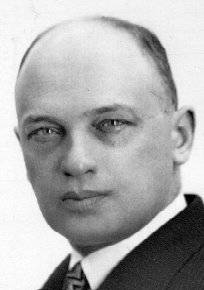
0 sources
Summary
Savielly Tartakower was born on February 22, 1887[1], in Rostov-on-Don[2]. He died on February 4, 1956[3], in 10ᵗʰ arrondissement of Paris[4]. He worked as a chess player[5], non-fiction writer[6], journalist[7], poet[8], and resistance fighter[9]. He ranks in the top 0.72% of human entities by monthly Wikipedia readership (1,184 views/month, #7,240 of 1,000,298).[10]
Key Facts
- Date of death: February 5, 1956[11]
- Place of burial: Cimetière de Pantin[12]
- Country of citizenship: France[13], Poland[14], Russian Empire[15]
- Educated at: Collège Calvin[16], University of Vienna[17]
- Notable work: A Breviary of Chess[18]
- Member of: Free France[19]
- Sex or gender: male[20]
- Movement: hypermodernism[21]
- Commons category: Ksawery Tartakower[22]
- Academic degree: Doctor of Juridical Science[23]
- Participated in conflict: World War I[24], World War II[25]
- Sport: chess[26]
- Family name: Tartakower[27]
- Given name: Xavier[28], Savely[29]
- Participant in: 3rd Chess Olympiad[30], 4th Chess Olympiad[31], 5th Chess Olympiad[32], 6th Chess Olympiad[33], 7th Chess Olympiad[34], 8th Chess Olympiad[35], 9th Chess Olympiad[36]
- Languages spoken, written or signed: Russian[37], French[38], German[39], Yiddish[40], Polish[41]
- Country for sport: Poland[42], France[43], Russian Empire[44]
- Name in native language: Савелий Григорьевич Тартаковер[45]
- Title of chess person: Grandmaster[46]
Body
Works and Contributions
Things named for Savielly Tartakower include Inverted Hungarian Opening[47], a chess opening[48].
Why It Matters
Savielly Tartakower has Wikipedia articles in 20 language editions, a strong signal of global cultural recognition.[49] He is known by 65 alternative names across languages and contexts.[50]
He is credited with the discovery of Catalan Opening[51], a chess opening[52]. Entities named for him include Inverted Hungarian Opening[47], a chess opening[48].
FAQs
Where was Savielly Tartakower born?
Savielly Tartakower's place of birth was Rostov-on-Don[2].
Where did Savielly Tartakower die?
Savielly Tartakower died in 10ᵗʰ arrondissement of Paris[4].
What did Savielly Tartakower do for work?
Savielly Tartakower worked as a chess player[5], non-fiction writer[6], journalist[7], poet[8], and resistance fighter[9].
Where did Savielly Tartakower go to school?
Savielly Tartakower was educated at Collège Calvin[16] and University of Vienna[17].
What did Savielly Tartakower discover?
Savielly Tartakower is credited as discoverer of Catalan Opening[51].