
Rahimuddin Khan
0 sources
Rahimuddin Khan
Summary
Rahimuddin Khan is a human[1]. His place of birth was Kaimganj[2]. He was born on +1926-07-21T00:00:00Z[3]. He died in Lahore[4]. He died on +2022-08-22T00:00:00Z[5]. He worked as a politician[6] and military personnel[7]. He ranks in the top 0.71% of human entities by monthly Wikipedia readership (199 views/month, #7,119 of 1,000,298).[8]
Key Facts
- Rahimuddin Khan was born in Kaimganj[2].
- Rahimuddin Khan passed away in Lahore[4].
- Rahimuddin Khan was born on +1926-07-21T00:00:00Z[3].
- Rahimuddin Khan died on +2022-08-22T00:00:00Z[5].
- Rahimuddin Khan held citizenship in British Raj[9].
- Rahimuddin Khan held citizenship in Pakistan[10].
- Urdu was Rahimuddin Khan's native language[11].
- Rahimuddin Khan's professions included politician[6].
- Rahimuddin Khan's professions included military personnel[7].
- Rahimuddin Khan held the position of Governor of Sindh[12].
- Rahimuddin Khan held the position of Governor of Balochistan[13].
- Rahimuddin Khan held the position of Chairman Joint Chiefs of Staff Committee[14].
- Rahimuddin Khan's education included a stint at Jamia Millia Islamia[15].
- Rahimuddin Khan was educated at United States Army Command and General Staff College[16].
- Rahimuddin Khan's education included a stint at Pakistan Military Academy[17].
- Rahimuddin Khan received the Grand Cross of the Order of Excellence[18].
- Rahimuddin Khan received the Hilal-i-Imtiaz[19].
- Rahimuddin Khan received the Sitara-e-Basalat[20].
- Rahimuddin Khan's religion is recorded as Islam[21].
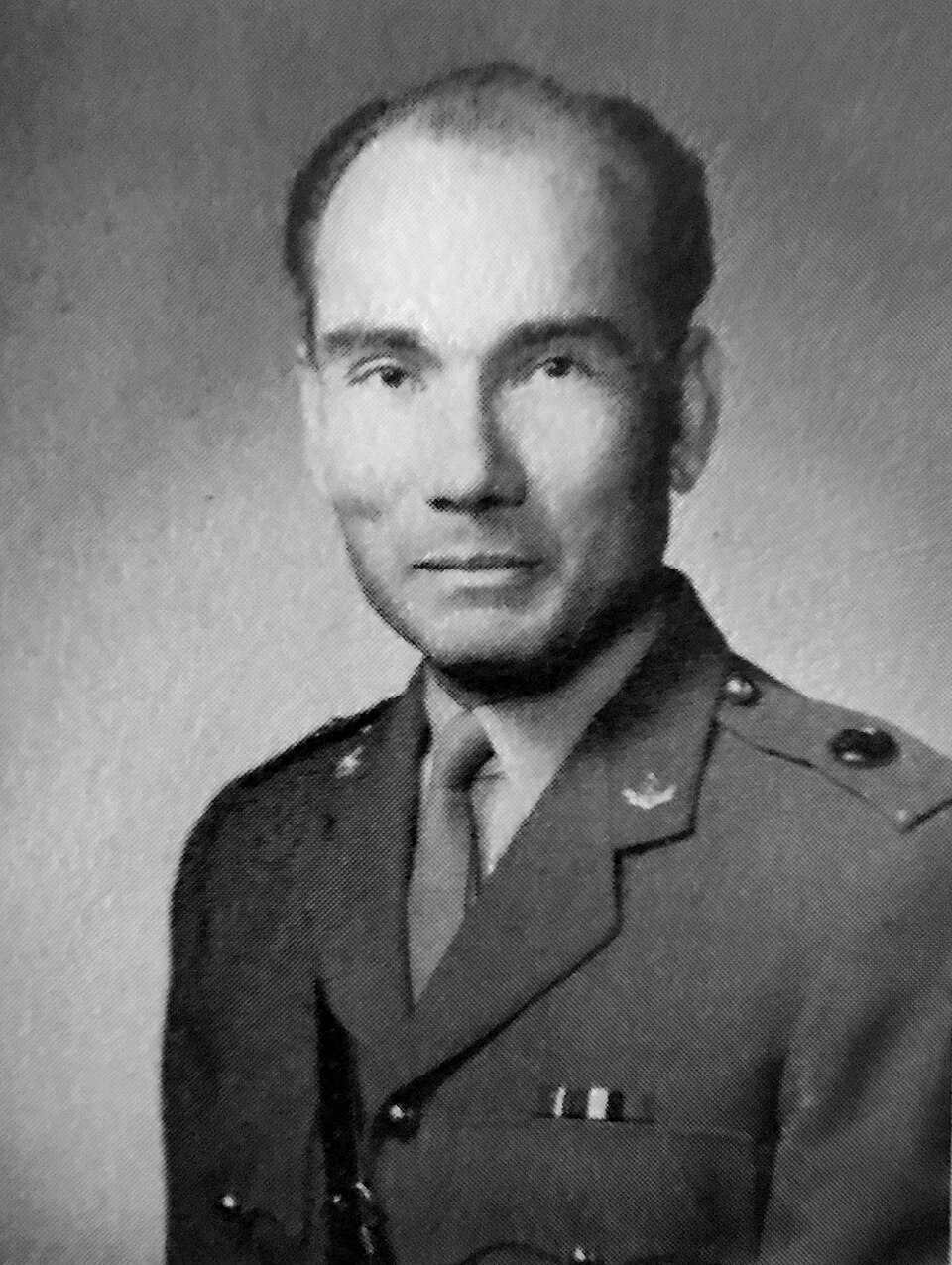
- Rahimuddin Khan's image is recorded as Rahimuddin.jpg[22].
- Rahimuddin Khan is recorded as male[23].
- Rahimuddin Khan's instance of is recorded as human[24].
- Rahimuddin Khan's Commons category is recorded as Rahimuddin Khan[25].
- Rahimuddin Khan's military, police or special rank is recorded as general[26].
- Rahimuddin Khan's participated in conflict is recorded as Indo-Pakistani War of 1971[27].
Body
Origins and Family
Rahimuddin Khan's place of birth was Kaimganj[2]. He was born on +1926-07-21T00:00:00Z[3]. Urdu was his native language[11].
Education
Educated at Jamia Millia Islamia[15], a central university[28], in India[29], founded in 1920[30]; United States Army Command and General Staff College[16], a staff college[31], in United States[32], founded in 1881[33], headquartered in Fort Leavenworth[34]; and Pakistan Military Academy[17], a military academy[35], in Pakistan[36], founded in 1947[37].
Career and Affiliations
Recorded occupations include politician[6] and military personnel[7]. Positions held include Governor of Sindh[12], a position[38], in Pakistan[39]; Governor of Balochistan[13], a position[40], in Pakistan[41], founded in 1970[42]; and Chairman Joint Chiefs of Staff Committee[14], a position[43], in Pakistan[44], founded in 1976[45].
Recognition
Awards received include Grand Cross of the Order of Excellence[18], an order[46], in Pakistan[47], founded in 1957[48]; Hilal-i-Imtiaz[19], an award[49], in Pakistan[50], founded in 1957[51]; and Sitara-e-Basalat[20], an award[52], in Pakistan[53].
Personal Life
Rahimuddin Khan's religion is recorded as Islam[21].
Death and Burial
Rahimuddin Khan died on +2022-08-22T00:00:00Z[5]. He passed away in Lahore[4].
Why It Matters
Rahimuddin Khan ranks in the top 0.71% of human entities by monthly Wikipedia readership (199 views/month, #7,119 of 1,000,298).[8] He has Wikipedia articles in 8 language editions, a strong signal of global cultural recognition.[54]
FAQs
Where was Rahimuddin Khan born?
Born in Kaimganj[2], Rahimuddin Khan…
Where did Rahimuddin Khan die?
Rahimuddin Khan died in Lahore[4].
What did Rahimuddin Khan do for work?
Rahimuddin Khan worked as politician[6] and military personnel[7].
Where did Rahimuddin Khan go to school?
Rahimuddin Khan was educated at Jamia Millia Islamia[15], United States Army Command and General Staff College[16], and Pakistan Military Academy[17].
What awards did Rahimuddin Khan receive?
Honors received include Grand Cross of the Order of Excellence[18], Hilal-i-Imtiaz[19], and Sitara-e-Basalat[20].