
Pyotr Stolypin
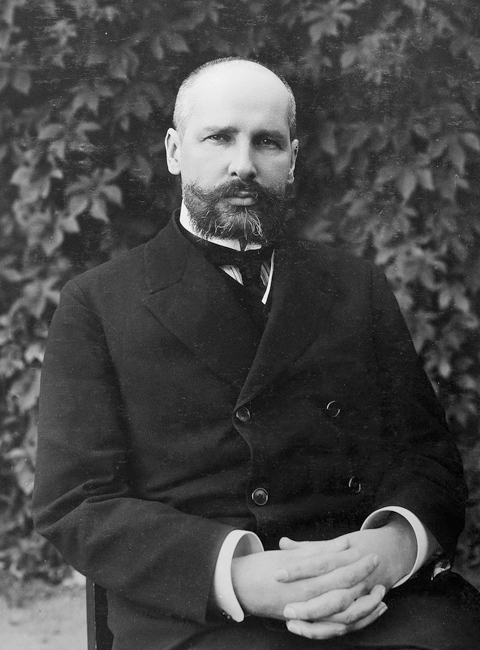
0 sources
Summary
Pyotr Stolypin was born on April 14, 1862[1], in Dresden[2]. He died on September 5, 1911[3], in Kyiv[4]. He worked as a politician[5], statesperson[6], and head of government[7]. He ranks in the top 0.68% of human entities by monthly Wikipedia readership (6,994 views/month, #6,765 of 1,000,298).[8]
Key Facts
- Date of birth: 1863[9], 1862[10]
- Place of burial: Kyiv Pechersk Lavra[11]
- Father: Arkady Stolypin[12]
- Mother: Natalya Gorchakova[13]
- Spouse: Olga Stolypina[14]
- Child: Arkadi Stolypine[15], Aleksandra Stolypina[16]
- Country of citizenship: Russian Empire[17]
- Position held: Prime Minister of Russia[18], list of Ministers of Interior of Russia[19], Governor of Saratov Oblast[20], governor[21], Governor of Grodno[22], member of the State Council of the Russian Empire[23], Q133272852[24]
- Educated at: Saint Petersburg State University[25]
- Notable work: Stolypin reform[26]
- Award received: Order of the White Eagle[27], Knight of the Order of St. Alexander Nevsky[28], Order of Saint Anna, 1st class[29], Order of Saint Anna, 2nd class[30], Order of Saint Anna, 3rd class[31], Order of St. Vladimir, 3rd class[32], Royal Victorian Order[33], Order of St. Olav[34], Royal Order of the Seraphim[35], Order of Saints Maurice and Lazarus[36], Order of Prince Danilo I[37], Order of the Rising Sun with Paulownia Flowers, 1st class[38]
- Religion or worldview: Eastern Orthodoxy[39]
- Sex or gender: male[40]
- Family: House of Stolypin[41]
- Killed by: Dmitry Bogrov[42]
- Commons category: Pyotr Stolypin[43]
- Given name: Pyotr[44]
- Significant event: Explosion at Aptekarsky Island[45], Assassinat de Piotr Stolypine[46]
- Topic's main category: Category:Pyotr Stolypin[47]
- Manner of death: homicide[48]
- Described by source: Armenian Soviet Encyclopedia[49], 1922 Encyclopædia Britannica[50], Brockhaus and Efron Encyclopedic Dictionary[51], Granat Encyclopedic Dictionary[52], Great Soviet Encyclopedia (1926–1947)[53], Small Brockhaus and Efron Encyclopedic Dictionary[54]
Body
Works and Contributions
Things named for Pyotr Stolypin include Stolypin reform[55], an agrarian reform[56], in Russian Empire[57]; Stolypin car[58]; Omsk State Agrarian University[59], a university[60], in Russia[61], founded in 1918[62]; Ulyanovsk State Agricultural Academy[63], a university[64], in Russia[65], founded in 1943[66]; and Voroshilovsky avenue in Rostov-on-Don[67], a street[68], in Russia[69].
Why It Matters
Pyotr Stolypin has Wikipedia articles in 27 language editions, a strong signal of global cultural recognition.[70] He is known by 37 alternative names across languages and contexts.[71]
Entities named for him include Stolypin reform[55], an agrarian reform[56], in Russian Empire[57]; Stolypin car[58]; Omsk State Agrarian University[59], a university[60], in Russia[61], founded in 1918[62]; Ulyanovsk State Agricultural Academy[63], a university[64], in Russia[65], founded in 1943[66]; and Voroshilovsky avenue in Rostov-on-Don[67], a street[68], in Russia[69].
FAQs
Where was Pyotr Stolypin born?
Pyotr Stolypin was born in Dresden[2].
Where did Pyotr Stolypin die?
Pyotr Stolypin died in Kyiv[4].
Who were Pyotr Stolypin's parents?
Pyotr Stolypin's father was Arkady Stolypin[12]. Pyotr Stolypin's mother was Natalya Gorchakova[13].
Who was Pyotr Stolypin married to?
Pyotr Stolypin's spouses include Olga Stolypina[14].
What did Pyotr Stolypin do for work?
Pyotr Stolypin worked as a politician[5], statesperson[6], and head of government[7].
Where did Pyotr Stolypin go to school?
Pyotr Stolypin was educated at Saint Petersburg State University[25].
What awards did Pyotr Stolypin receive?
Honors received include Order of the White Eagle[27], Knight of the Order of St. Alexander Nevsky[28], Order of Saint Anna, 1st class[29], and Order of Saint Anna, 2nd class[30].