
Pierre de Coubertin
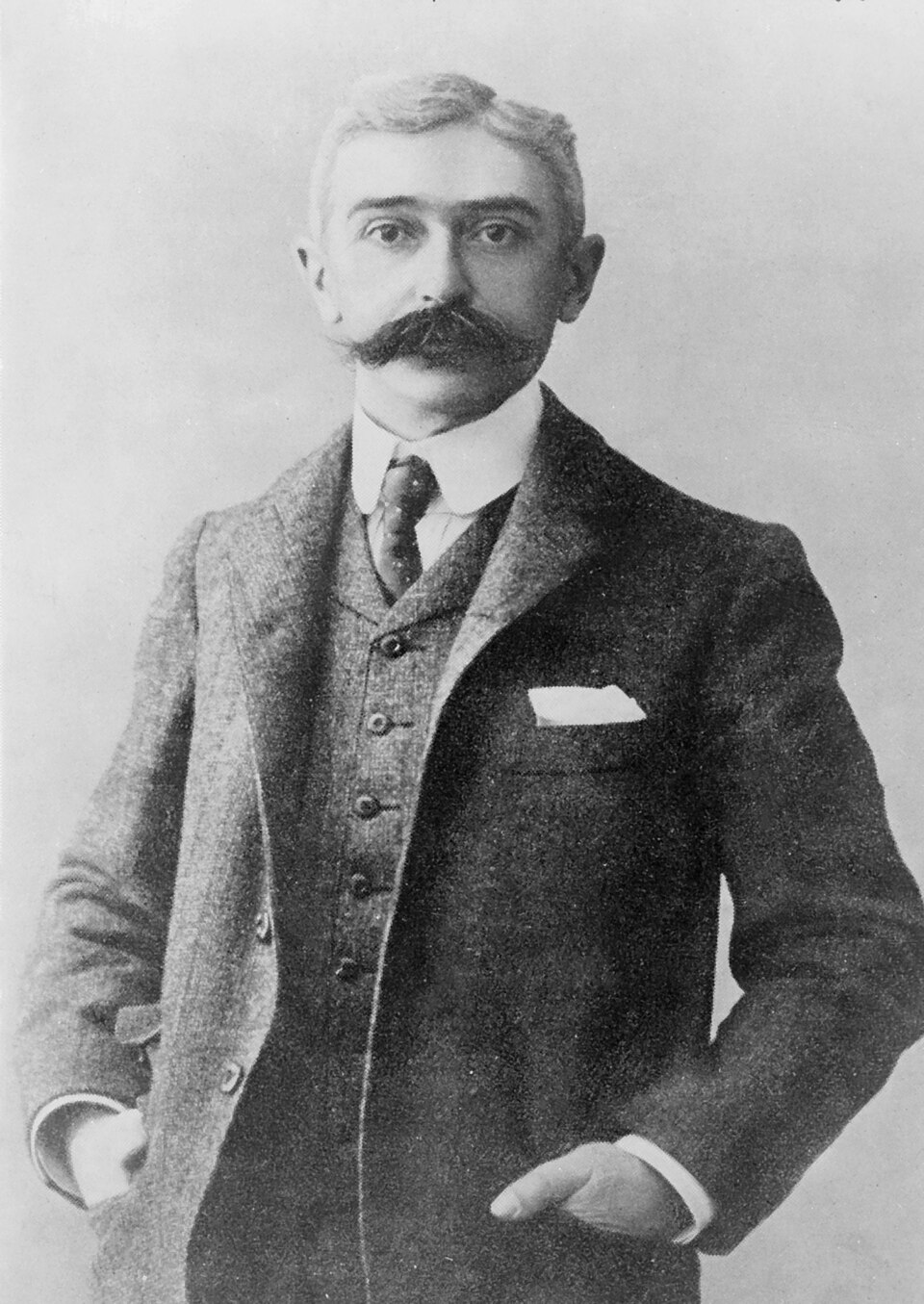
0 sources
Summary
Pierre de Coubertin was born on January 1, 1863[1], in Paris[2]. He died on September 2, 1937[3], in Geneva[4]. He worked as a historian[5], pedagogue[6], teacher[7], writer[8], and rugby union match official[9]. He ranks in the top 0.7% of human entities by monthly Wikipedia readership (5,622 views/month, #6,982 of 1,000,298).[10]
Key Facts
- Place of birth: 7th arrondissement of Paris[11]
- Place of burial: Bois-de-Vaux Cemetery[12]
- Father: Charles Louis de Frédy, Baron de Coubertin[13]
- Mother: Marie Marcelle Gigault de Crisenoy[14]
- Spouse: Marie Rothan[15]
- Country of citizenship: France[16]
- Ethnic group: French[17]
- Occupation: politician[18], sports official[19], founder[20], functionary[21], general secretary[22]
- Position held: president of the International Olympic Committee[23], president[24]
- Educated at: École Libre des Sciences Politiques[25]
- Notable work: modern pentathlon[26]
- Award received: Knight Officer of the Order of the Polar Star[27], Commander of the Order of St. Olav[28], Grand Cross of the Order of the Phoenix[29], Commander First Class of the Order of the White Rose of Finland[30], Officer of the Order of Orange-Nassau[31], 2nd Class Order of the Crown[32], Knight of the Order of the Crown (Romania)[33], Order of the Star of Romania[34], Grand Cross of the Order of Franz Joseph[35], Officer of the Order of Leopold II[36], Glory of sport[37], World Rugby Hall of Fame[38], Order of the White Lion 5th Class[39]
- Member of: International Olympic Committee[40], Glory of sport[41], World Rugby Hall of Fame[42], Éclaireurs français[43]
- Sex or gender: male[44]
- Noble title: baron[45]
- Commons category: Pierre de Coubertin[46]
- Archives at: center for History at Sciences Po[47]
- Sport: rugby union[48]
- Family name: Frédy[49], de Coubertin[50]
- Given name: Pierre[51]
- Pseudonym: Georges Hohrod[52], Martin Eschbach[53]
- Topic's main category: Category:Pierre de Coubertin[54]
- Commons gallery: Pierre de Coubertin[55]
Body
Works and Contributions
Things named for Pierre de Coubertin include Pierre de Coubertin Medal[56], an Olympic award[57], founded in 1997[58]; Stade Pierre de Coubertin[59], a stadium[60], in France[61], founded in 1936[62]; and 2190 Coubertin[63], an asteroid[64].
Why It Matters
Pierre de Coubertin has Wikipedia articles in 30 language editions, a strong signal of global cultural recognition.[65] He is known by 67 alternative names across languages and contexts.[66]
He is credited with the discovery of modern pentathlon[67], an Olympic sport[68], founded in 1912[69]. Entities named for him include Pierre de Coubertin Medal[56], an Olympic award[57], founded in 1997[58]; Stade Pierre de Coubertin[59], a stadium[60], in France[61], founded in 1936[62]; and 2190 Coubertin[63], an asteroid[64].
FAQs
Where was Pierre de Coubertin born?
Pierre de Coubertin was born in Paris[2].
Where did Pierre de Coubertin die?
Pierre de Coubertin passed away in Geneva[4].
Who were Pierre de Coubertin's parents?
Pierre de Coubertin's father was Charles Louis de Frédy, Baron de Coubertin[13]. Pierre de Coubertin's mother was Marie Marcelle Gigault de Crisenoy[14].
Who was Pierre de Coubertin married to?
Pierre de Coubertin's spouses include Marie Rothan[15].
What did Pierre de Coubertin do for work?
Pierre de Coubertin worked as a historian[5], pedagogue[6], teacher[7], writer[8], and rugby union match official[9].
Where did Pierre de Coubertin go to school?
Pierre de Coubertin was educated at École Libre des Sciences Politiques[25].
What awards did Pierre de Coubertin receive?
Honors received include Knight Officer of the Order of the Polar Star[27], Commander of the Order of St. Olav[28], Grand Cross of the Order of the Phoenix[29], and Commander First Class of the Order of the White Rose of Finland[30].
What did Pierre de Coubertin discover?
Pierre de Coubertin is credited as discoverer of modern pentathlon[67].