
Pau Casals
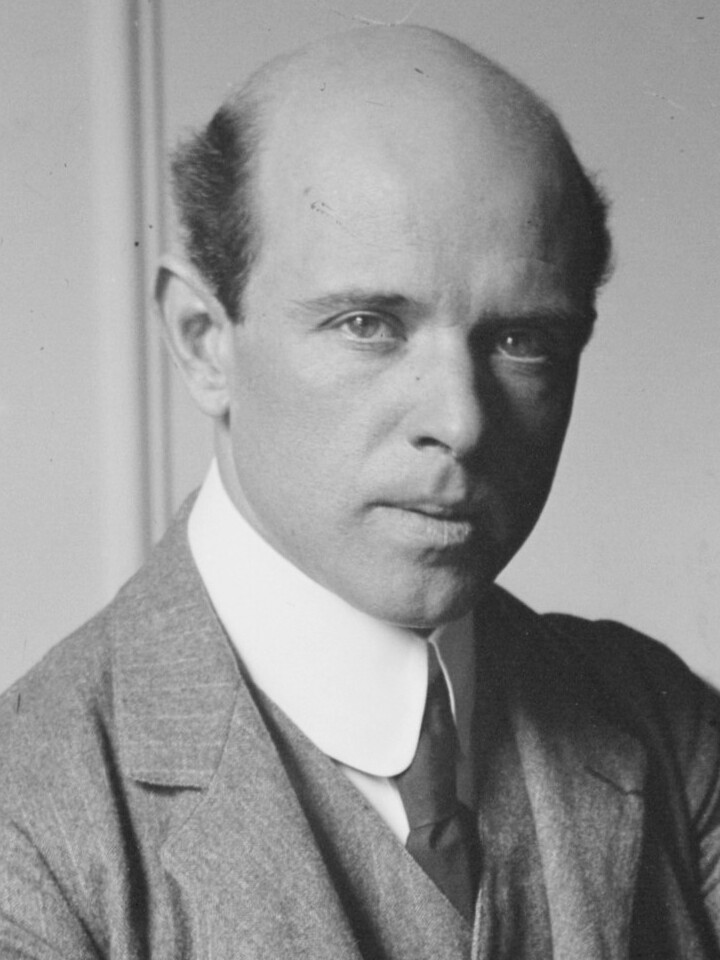
0 sources
Summary
Pau Casals was born on December 29, 1876[1], in El Vendrell[2]. He died on October 22, 1973[3], in San Juan[4]. He worked as a cellist[5], conductor[6], composer[7], autobiographer[8], and music educator[9]. He ranks in the top 0.69% of human entities by monthly Wikipedia readership (4,340 views/month, #6,922 of 1,000,298).[10]
Key Facts
- Date of death: August 14, 1973[11]
- Place of burial: Cementiri del Vendrell[12]
- Father: Carles Casals i Ribes[13]
- Mother: Pilar Defilló Amiguet[14]
- Spouse: Susan Metcalfe Casals[15], Marta Casals Istomin[16]
- Country of citizenship: Spain[17]
- Occupation: university teacher[18], docent[19]
- Employer: Conservatori Superior de Música del Liceu[20]
- Educated at: Municipal Conservatory of Music of Barcelona[21], Madrid Royal Conservatory[22]
- Student: Juliette Alvin[23], Gaspar Cassadó[24], Bernard Greenhouse[25], Jacqueline du Pré[26], Alexander Schneider[27], Борисяк, Андрей Алексеевич[28], Conchita Badía[29], Eleftherios Papastavrou[30]
- Award received: Grand Officer of the Legion of Honour[31], Grand Cross of the National Order of Merit[32], Grammy Lifetime Achievement Award[33], Charles E. Lutton Man of Music Award[34], Gold Medal of the Generalitat of Catalonia[35], Presidential Medal of Freedom[36], Royal Philharmonic Society Gold Medal[37], United Nations Peace Medal[38], Hijo Adoptivo de Barcelona[39], Walter Willson Cobbett Medal[40], honorary doctorate of the University of Montpellier[41], Knight of the Order of Isabella the Catholic[42]
- Member of: American Academy of Arts and Sciences[43]
- Sex or gender: male[44]
- Genre: classical music[45], sardana[46]
- Record label: Columbia Records[47], Philips Records[48], His Master's Voice[49]
- Commons category: Pau Casals[50]
- Unmarried partner: Francesca Vidal i Puig[51], Guilhermina Suggia[52]
- Archives at: Library of Congress Music Division[53], New York Public Library for the Performing Arts[54], National Archive of Catalonia[55]
- Family name: Casals[56]
- Given name: Pau[57]
- Topic's main category: Category:Pablo Casals[58]
Product Details
The following facts are restated verbatim from public-domain and CC0 open-data sources — every line is independently verifiable against the named source's catalog.
MusicBrainz — CC0 open music encyclopedia
-
Type: Person[59]
-
Country: ES[60]
-
Began / founded: 1876-12-29[61]
-
Ended / dissolved: 1973-10-22[62]
-
Community tags: cellist, cello, composer, spanish cellist[63]
-
MusicBrainz ID: 2fcffd9a-f02a-4a2c-8085-6257f918949d[64]
Body
Works and Contributions
Things named for Pau Casals include Pablo Casals Festival[65], Casals Festival[66], Orquestra Pau Casals[67], Museo Pablo Casals[68], and Guardó Pau Casals[69].
Why It Matters
Pau Casals has Wikipedia articles in 25 language editions, a strong signal of global cultural recognition.[70] He is known by 33 alternative names across languages and contexts.[71]
Entities named for him include Pablo Casals Festival[65], Casals Festival[66], Orquestra Pau Casals[67], Museo Pablo Casals[68], and Guardó Pau Casals[69].
FAQs
Where was Pau Casals born?
Pau Casals's place of birth was El Vendrell[2].
Where did Pau Casals die?
Pau Casals died in San Juan[4].
Who were Pau Casals's parents?
Pau Casals's father was Carles Casals i Ribes[13]. Pau Casals's mother was Pilar Defilló Amiguet[14].
Who was Pau Casals married to?
Pau Casals's spouses include Susan Metcalfe Casals[15] and Marta Casals Istomin[16].
What did Pau Casals do for work?
Pau Casals worked as a cellist[5], conductor[6], composer[7], autobiographer[8], and music educator[9].
Where did Pau Casals go to school?
Pau Casals was educated at Municipal Conservatory of Music of Barcelona[21] and Madrid Royal Conservatory[22].
What awards did Pau Casals receive?
Honors received include Grand Officer of the Legion of Honour[31], Grand Cross of the National Order of Merit[32], Grammy Lifetime Achievement Award[33], and Charles E. Lutton Man of Music Award[34].