
Manuel Godoy
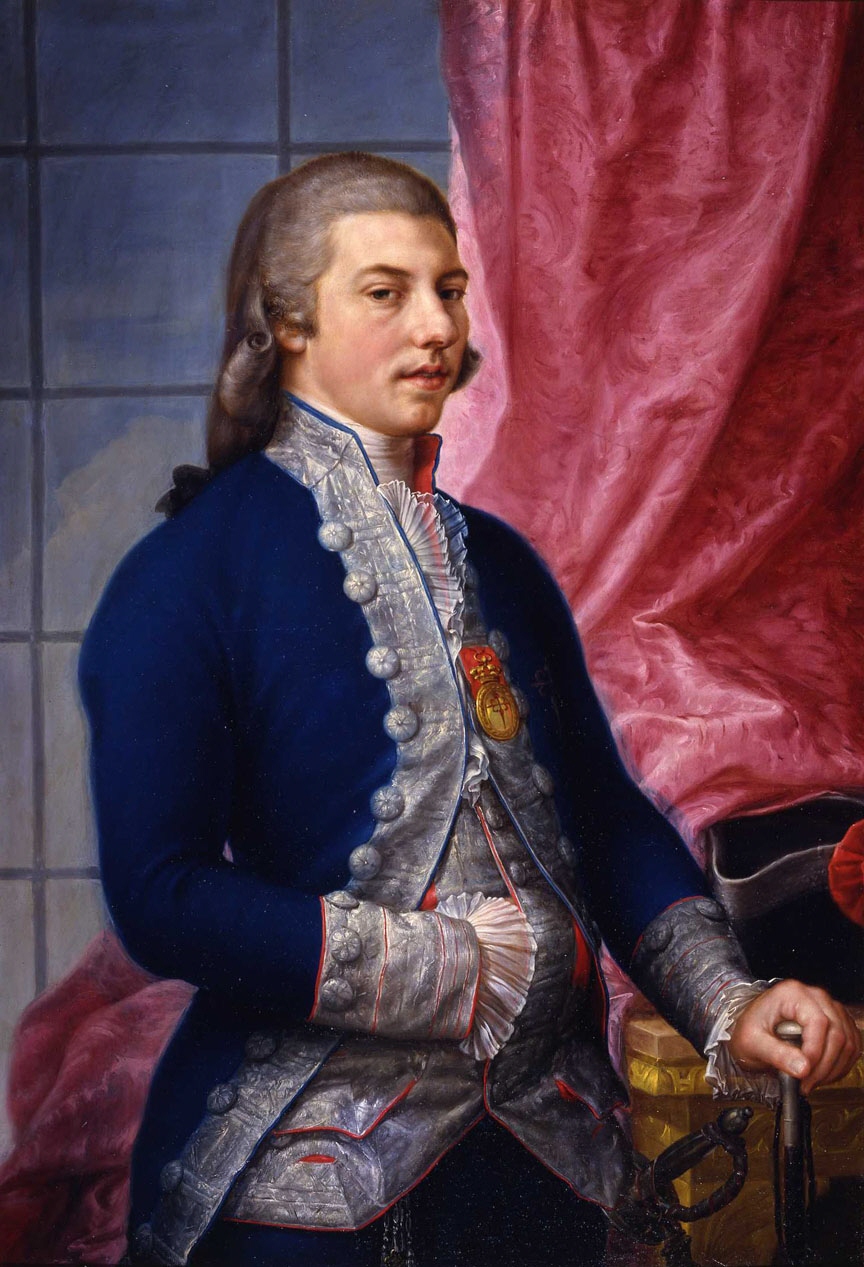
0 sources
Summary
Manuel Godoy was born on May 12, 1767[1], in Badajoz[2]. He died on October 4, 1851[3], in Paris[4]. He worked as a military personnel[5], politician[6], military officer[7], and head of government[8]. He ranks in the top 0.7% of human entities by monthly Wikipedia readership (6,070 views/month, #7,043 of 1,000,298).[9]
Key Facts
- Place of burial: Père Lachaise Cemetery[10]
- Father: Don José Godoy[11]
- Mother: Doña Antonia Justa Alvarez de Faria[12]
- Spouse: María Teresa de Borbón, 15th Countess of Chinchón[13], Josefa de Tudó, 1st Countess of Castillo Fiel[14]
- Child: Carlota de Godoy, 2nd Duchess of Sueca[15], Luis Carlos de Godoy y Tudó[16], Manuel de Godoy, 2nd Prince di Bassano[17]
- Country of citizenship: Spain[18]
- Position held: secretary of State of Spain[19], President de la Reial Acadèmia de Bones Lletres[20], Regidor of Segovia[21], president[22]
- Award received: Knight of the Order of the Golden Fleece[23], Grand Cross of the Order of Christ[24]
- Religion or worldview: Catholicism[25]
- Sex or gender: male[26]
- Noble title: Prince of Bassano[27], Duchy of Sueca[28], Prince of the Peace[29], conde[30], marqués[31], Duke of la Alcúdia[32], Baronía de Mascalbó[33]
- Commons category: Manuel de Godoy[34]
- Military, police or special rank: generalissimo[35]
- Unmarried partner: Maria Luisa of Parma[36]
- Family name: Godoy[37]
- Given name: Manuel[38], Domingo[39], Francisco[40]
- Topic's main category: Category:Manuel de Godoy[41]
- Commons gallery: Manuel de Godoy[42]
- Depicted by: Portrait of Manuel de Godoy (1767-1851)[43]
- Described by source: Great Soviet Encyclopedia (1969–1978)[44], Brockhaus and Efron Encyclopedic Dictionary[45], Small Brockhaus and Efron Encyclopedic Dictionary[46], The Nuttall Encyclopædia[47], Encyclopædia Britannica 11th edition[48]
- Languages spoken, written or signed: Spanish[49]
- Birth name: Manuel Godoy y Álvarez de Faria Ríos[50]
- Owner of: The Clothed Maja[51]
Why It Matters
Manuel Godoy has Wikipedia articles in 24 language editions, a strong signal of global cultural recognition.[52] He is known by 59 alternative names across languages and contexts.[53]
FAQs
Where was Manuel Godoy born?
Manuel Godoy's place of birth was Badajoz[2].
Where did Manuel Godoy die?
Manuel Godoy passed away in Paris[4].
Who were Manuel Godoy's parents?
Manuel Godoy's father was Don José Godoy[11]. Manuel Godoy's mother was Doña Antonia Justa Alvarez de Faria[12].
Who was Manuel Godoy married to?
Manuel Godoy's spouses include María Teresa de Borbón, 15th Countess of Chinchón[13] and Josefa de Tudó, 1st Countess of Castillo Fiel[14].
What did Manuel Godoy do for work?
Manuel Godoy worked as a military personnel[5], politician[6], military officer[7], and head of government[8].
What awards did Manuel Godoy receive?
Honors received include Knight of the Order of the Golden Fleece[23] and Grand Cross of the Order of Christ[24].