
Manuel García
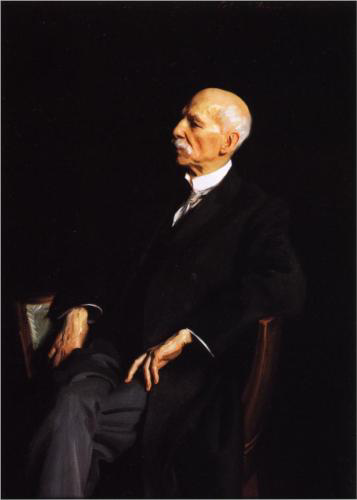
0 sources
Summary
Manuel García is a human[1]. Born in Madrid[2], he… he was born on March 17, 1805[3]. He passed away in London[4]. He died on July 1, 1906[5]. He worked as a singer[6], opera singer[7], opera vocal coach[8], inventor[9], and maestro[10]. He ranks in the top 0.72% of human entities by monthly Wikipedia readership (204 views/month, #7,252 of 1,000,298).[11]
Key Facts
- Born in Madrid[2].
- Manuel García died in London[4].
- Manuel García was born on March 17, 1805[3].
- Manuel García was born on January 1, 1805[12].
- Manuel García died on July 1, 1906[5].
- Manuel García died on January 1, 1906[13].
- Manuel García's father was Manuel García[14].
- Manuel García's mother was Joaquina Sitchez[15].
- Manuel García held citizenship in Spain[16].
- Manuel García's professions included singer[6].
- Manuel García's professions included opera singer[7].
- Manuel García's professions included opera vocal coach[8].
- Manuel García worked as an inventor[9].
- Manuel García worked as a maestro[10].
- Manuel García worked as a teacher[17].
- Among Manuel García's employers was Conservatoire de Paris[18].
- Manuel García was employed by Royal Academy of Music[19].
- A notable student of Manuel García was Jenny Lind[20].
- A notable student of Manuel García was Mathilde Marchesi[21].
- A notable student of Manuel García was Julius Stockhausen[22].
- Manuel García received the honorary degree[23].
- Manuel García is recorded as male[24].
- Manuel García's instance of is recorded as human[25].
- Manuel García's genre is opera[26].
- Manuel García's Commons category is recorded as Manuel García (baritone)[27].
Body
Origins and Family
Born in Madrid[2], Manuel García… Recorded date of birth include March 17, 1805[3] and January 1, 1805[12]. His father was he[14]. His mother was Joaquina Sitchez[15].
Education
Manuel García studied under him[28].
Career and Affiliations
Recorded occupations include singer[6], opera singer[7], opera vocal coach[8], inventor[9], maestro[10], and teacher[17]. Employers include Conservatoire de Paris[18], a grande école[29], in France[30], founded in 1795[31], headquartered in 19th arrondissement of Paris[32] and Royal Academy of Music[19], a conservatory[33], in United Kingdom[34], founded in 1822[35], headquartered in London[36]. Notable students include Jenny Lind[20], an actor[37], 1820–1887[38], of Sweden[39]; Mathilde Marchesi[21], a singer[40], 1821–1913[41], of Kingdom of Prussia[42], awarded the Officier de l'Instruction publique[43]; and Julius Stockhausen[22], a conductor[44], 1826–1906[45], of Kingdom of Prussia[46].
Recognition
Manuel García received the honorary degree[23].
Death and Burial
Recorded date of death include July 1, 1906[5] and January 1, 1906[13]. Manuel García passed away in London[4].
Why It Matters
Manuel García ranks in the top 0.72% of human entities by monthly Wikipedia readership (204 views/month, #7,252 of 1,000,298).[11] He has Wikipedia articles in 14 language editions, a strong signal of global cultural recognition.[47] He is known by 39 alternative names across languages and contexts.[48]
FAQs
Where was Manuel García born?
Manuel García's place of birth was Madrid[2].
Where did Manuel García die?
Manuel García passed away in London[4].
Who were Manuel García's parents?
Manuel García's father was Manuel García[14]. Manuel García's mother was Joaquina Sitchez[15].
What did Manuel García do for work?
Manuel García worked as singer[6], opera singer[7], opera vocal coach[8], inventor[9], and maestro[10].
What awards did Manuel García receive?
Honors received include honorary degree[23].