
Manuel Gómez-Moreno Martínez
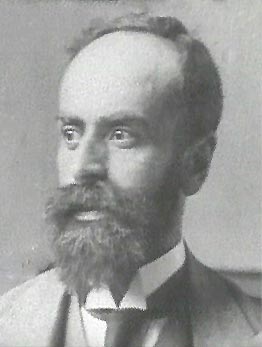
0 sources
Manuel Gómez-Moreno Martínez
Summary
Manuel Gómez-Moreno Martínez is a human[1]. He was born in Granada[2]. He was born on February 21, 1870[3]. He died in Madrid[4]. He died on June 7, 1970[5]. He worked as an archaeologist[6], prehistorian[7], art historian[8], university teacher[9], and writer[10]. He ranks in the top 0.73% of human entities by monthly Wikipedia readership (30 views/month, #7,297 of 1,000,298).[11]
Key Facts
- Manuel Gómez-Moreno Martínez was born in Granada[2].
- Manuel Gómez-Moreno Martínez died in Madrid[4].
- Manuel Gómez-Moreno Martínez was born on February 21, 1870[3].
- Manuel Gómez-Moreno Martínez died on June 7, 1970[5].
- Manuel Gómez-Moreno Martínez is buried at San Justo Cemetery[12].
- Manuel Gómez-Moreno Martínez's father was Manuel Gómez-Moreno González[13].
- A child of Manuel Gómez-Moreno Martínez was María Elena Gómez Moreno[14].
- Manuel Gómez-Moreno Martínez held citizenship in Spain[15].
- Manuel Gómez-Moreno Martínez's professions included archaeologist[6].
- Manuel Gómez-Moreno Martínez worked as a prehistorian[7].
- Manuel Gómez-Moreno Martínez's professions included art historian[8].
- Manuel Gómez-Moreno Martínez's professions included university teacher[9].
- Manuel Gómez-Moreno Martínez's professions included writer[10].
- Manuel Gómez-Moreno Martínez worked as a historian[16].
- Manuel Gómez-Moreno Martínez's field of work was archaeology[17].
- Manuel Gómez-Moreno Martínez's field of work was epigraphy[18].
- Manuel Gómez-Moreno Martínez's field of work was art history[19].
- Manuel Gómez-Moreno Martínez held the position of member of the Real Academia de la Historia[20].
- Manuel Gómez-Moreno Martínez held the position of Q135599084[21].
- Manuel Gómez-Moreno Martínez held the position of Member of the Royal Spanish Academy[22].
- Manuel Gómez-Moreno Martínez was employed by Complutense University of Madrid[23].
- Manuel Gómez-Moreno Martínez's education included a stint at University of Granada[24].
- A notable student of Manuel Gómez-Moreno Martínez was Antonio Tovar Llorente[25].
- A notable student of Manuel Gómez-Moreno Martínez was Antonio García y Bellido[26].
- A notable student of Manuel Gómez-Moreno Martínez was Cayetano de Mergelina y Luna[27].
Body
Origins and Family
Born in Granada[2], Manuel Gómez-Moreno Martínez… he was born on February 21, 1870[3]. His father was Manuel Gómez-Moreno González[13].
Education
Manuel Gómez-Moreno Martínez's education included a stint at University of Granada[24].
Career and Affiliations
Recorded occupations include archaeologist[6], prehistorian[7], art historian[8], university teacher[9], writer[10], and historian[16]. Fields of work include archaeology[17], an academic discipline[28]; epigraphy[18], an archaeological sub-discipline[29]; and art history[19], an academic discipline[30]. Among Manuel Gómez-Moreno Martínez's employers was Complutense University of Madrid[23]. Positions held include member of the Real Academia de la Historia[20], Q135599084[21], and Member of the Royal Spanish Academy[22]. Notable students include Antonio Tovar Llorente[25], a historian[31], 1911–1985[32], of Spain[33], awarded the Saint George's Cross[34], specialised in classical philology[35]; Antonio García y Bellido[26], a classical archaeologist[36], 1903–1972[37], of Spain[38], awarded the Medalla de Honor al Fomento de la Invención[39], specialised in Greek colonization[40]; Cayetano de Mergelina y Luna[27], an archaeologist[41], 1890–1962[42], of Spain[43], awarded the Grand Cross of the Civil Order of Alfonso X the Wise[44]; Juan de Mata Carriazo y Arroquia[45], an archaeologist[46], 1899–1989[47], of Spain[48], awarded the Dearest Son of Andalusia[49], specialised in archaeology[50]; and José María de Azcárate[51], a university teacher[52], 1919–2001[53], of Spain[54], awarded the Gold Medal of Merit in the Fine Arts[55], specialised in medieval art[56].
Recognition
Awards received include Grand Cross of the Civil Order of Alfonso X the Wise[57], a grade of an order[58], in Spain[59]; Grand Cross of the Order of Isabella the Catholic[60], a grade of an order[61], in Spain[62]; honorary doctorate of the University of Glasgow[63], an award[64], in United Kingdom[65]; Honorary doctor of the University of Oxford[66], an award[67], in United Kingdom[68]; honorary doctorate of the University of Santiago de Compostela[69], an award[70], in Spain[71]; and Medal of Work Merit[72], a civil decoration[73], in Spain[74], founded in 1926[75].
Personal Life
A child of Manuel Gómez-Moreno Martínez was María Elena Gómez Moreno[14].
Death and Burial
Manuel Gómez-Moreno Martínez died on June 7, 1970[5]. He died in Madrid[4]. Burial took place at San Justo Cemetery[12].
Why It Matters
Manuel Gómez-Moreno Martínez ranks in the top 0.73% of human entities by monthly Wikipedia readership (30 views/month, #7,297 of 1,000,298).[11] He has Wikipedia articles in 6 language editions, a strong signal of global cultural recognition.[76] He is known by 15 alternative names across languages and contexts.[77]
FAQs
Where was Manuel Gómez-Moreno Martínez born?
Manuel Gómez-Moreno Martínez's place of birth was Granada[2].
Where did Manuel Gómez-Moreno Martínez die?
Manuel Gómez-Moreno Martínez died in Madrid[4].
Who were Manuel Gómez-Moreno Martínez's parents?
Manuel Gómez-Moreno Martínez's father was Manuel Gómez-Moreno González[13].
What did Manuel Gómez-Moreno Martínez do for work?
Manuel Gómez-Moreno Martínez worked as archaeologist[6], prehistorian[7], art historian[8], university teacher[9], and writer[10].
Where did Manuel Gómez-Moreno Martínez go to school?
Manuel Gómez-Moreno Martínez was educated at University of Granada[24].
What awards did Manuel Gómez-Moreno Martínez receive?
Honors received include Grand Cross of the Civil Order of Alfonso X the Wise[57], Grand Cross of the Order of Isabella the Catholic[60], honorary doctorate of the University of Glasgow[63], and Honorary doctor of the University of Oxford[66].