
Lucio Costa
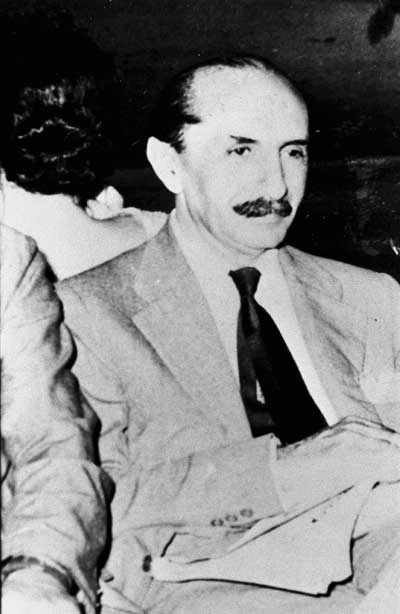
0 sources
Summary
Lucio Costa was born on February 27, 1902[1], in Toulon[2]. He died on June 13, 1998[3], in Rio de Janeiro[4]. He worked as an architect[5] and urban planner[6]. He ranks in the top 0.72% of human entities by monthly Wikipedia readership (1,029 views/month, #7,239 of 1,000,298).[7]
Key Facts
- Date of death: 1998[8]
- Country of citizenship: Brazil[9], France[10]
- Field of work: architecture[11], urbanism[12]
- Educated at: Federal University of Rio de Janeiro[13], Escola Nacional de Belas Artes[14], Royal Grammar School[15]
- Notable work: Gustavo Capanema Palace[16], Pilot Plan of Brasília[17]
- Award received: Abercrombie Prize[18], Order of Cultural Merit (Brazil)[19], honorary doctor of the University of Brasília[20]
- Sex or gender: male[21]
- Commons category: Lúcio Costa[22]
- Family name: Costa[23]
- Given name: Lucio[24]
- Described at URL: https://arteforadomuseu.com.br/artistas/lucio-costa/[25]
- Languages spoken, written or signed: Portuguese[26]
- Name in native language: Lúcio Marçal Ferreira Ribeiro Lima Costa[27]
- On focus list of Wikimedia project: Every Book Its Reader 2025[28]
- Copyright representative: reproduction right represented by CISAC-member[29]
- Copyright status as a creator: works protected by copyrights[30]
Why It Matters
Lucio Costa has Wikipedia articles in 24 language editions, a strong signal of global cultural recognition.[31] He is known by 29 alternative names across languages and contexts.[32]
FAQs
Where was Lucio Costa born?
Lucio Costa was born in Toulon[2].
Where did Lucio Costa die?
Lucio Costa passed away in Rio de Janeiro[4].
What did Lucio Costa do for work?
Lucio Costa worked as an architect[5] and urban planner[6].
Where did Lucio Costa go to school?
Lucio Costa was educated at Federal University of Rio de Janeiro[13], Escola Nacional de Belas Artes[14], and Royal Grammar School[15].
What awards did Lucio Costa receive?
Honors received include Abercrombie Prize[18], Order of Cultural Merit (Brazil)[19], and honorary doctor of the University of Brasília[20].