
Karl Polanyi
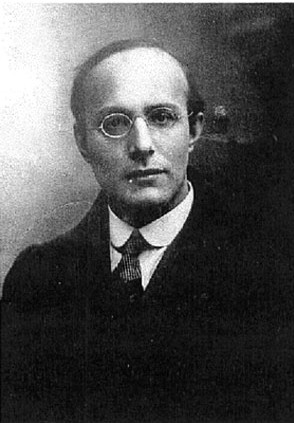
0 sources
Summary
Karl Polanyi was born on October 25, 1886[1], in Vienna[2]. He died on April 23, 1964[3], in Pickering[4]. He worked as an economist[5], anthropologist[6], economic historian[7], historian[8], and journalist[9]. He ranks in the top 0.7% of human entities by monthly Wikipedia readership (6,279 views/month, #6,971 of 1,000,298).[10]
Key Facts
- Place of burial: Fiume Road Graveyard[11]
- Mother: Cecília Wohl[12]
- Spouse: Ilona Duczyńska[13]
- Child: Kari Polanyi Levitt[14]
- Country of citizenship: Hungary[15]
- Occupation: philosopher[16], writer[17], university teacher[18], sociologist[19]
- Field of work: sociology[20], economics[21], history of economic thought[22], economic anthropology[23]
- Employer: Columbia University[24]
- Educated at: Eötvös Loránd University[25]
- Notable work: The Great Transformation (book)[26]
- Sex or gender: male[27]
- Commons category: Karl Polanyi[28]
- Family name: Polanyi[29], Polányi[30]
- Given name: Karl[31], Károly[32]
- Topic's main category: Category:Karl Polanyi[33]
- Relative: John Polanyi[34]
- Languages spoken, written or signed: English[35], Hungarian[36]
- Name in native language: Polányi Károly[37]
Why It Matters
Karl Polanyi has Wikipedia articles in 25 language editions, a strong signal of global cultural recognition.[38] He is known by 28 alternative names across languages and contexts.[39]
He has been cited as an influence by Marshall Sahlins[40], an anthropologist[41], 1930–2021[42], of United States[43], awarded the Guggenheim Fellowship[44], specialised in anthropology[45]; Daniel Bell[46], a sociologist[47], 1919–2011[48], of United States[49], awarded the Guggenheim Fellowship[50], specialised in post-industrial society[51]; and Gaël Giraud[52], an economist[53], b. 1970[54], of France[55], awarded the prix lycéen lire l’économie[56], specialised in mathematical economics[57].
FAQs
Where was Karl Polanyi born?
Karl Polanyi's place of birth was Vienna[2].
Where did Karl Polanyi die?
Karl Polanyi died in Pickering[4].
Who were Karl Polanyi's parents?
Karl Polanyi's mother was Cecília Wohl[12].
Who was Karl Polanyi married to?
Karl Polanyi's spouses include Ilona Duczyńska[13].
What did Karl Polanyi do for work?
Karl Polanyi worked as an economist[5], anthropologist[6], economic historian[7], historian[8], and journalist[9].
Where did Karl Polanyi go to school?
Karl Polanyi was educated at Eötvös Loránd University[25].
Who did Karl Polanyi influence?
Karl Polanyi has been cited as an influence by Marshall Sahlins[40], Daniel Bell[46], and Gaël Giraud[52].