
Joseph Babinski
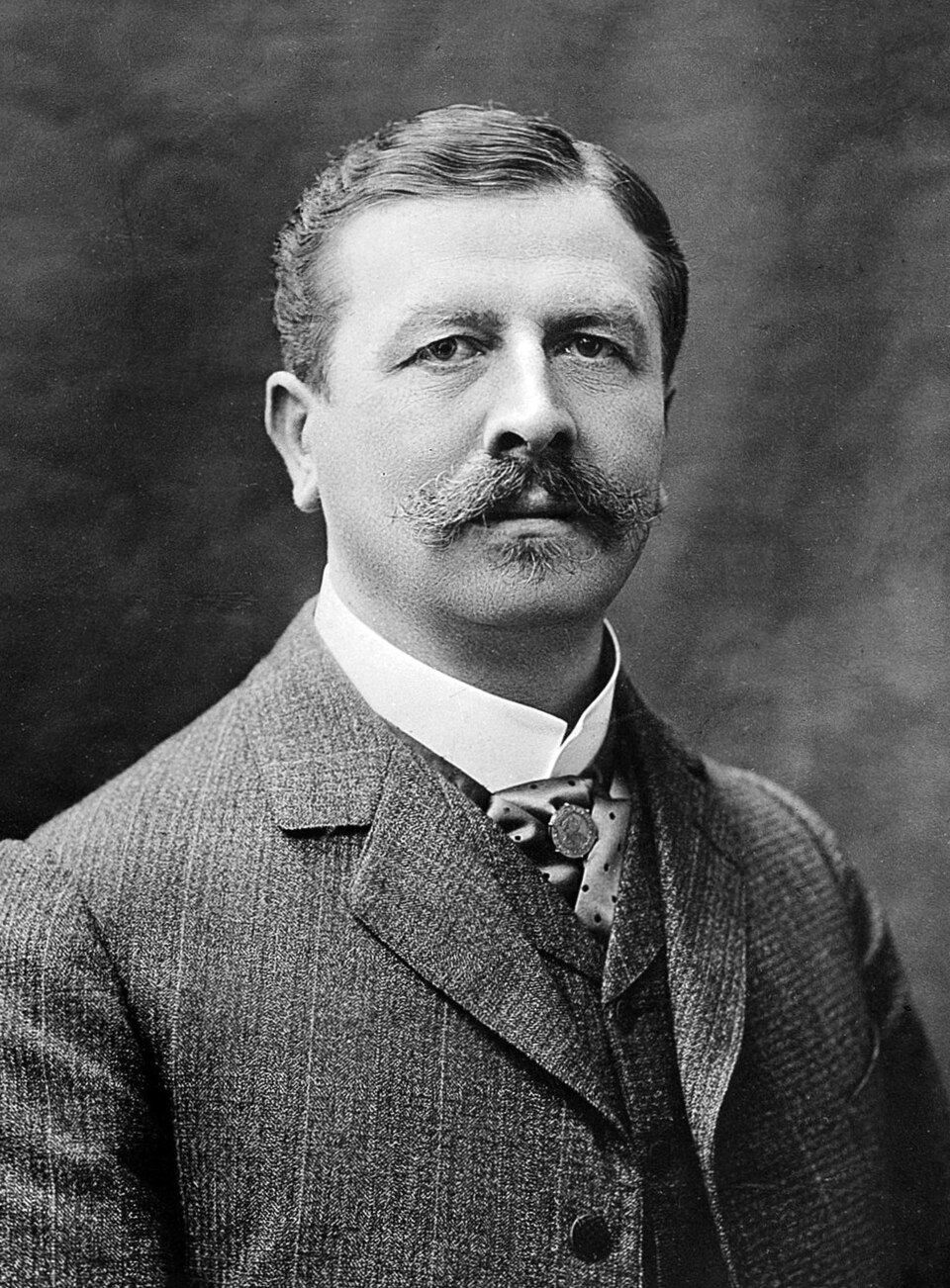
0 sources
Joseph Babinski
Summary
Joseph Babinski is a human[1]. Born in former 11th arrondissement of Paris[2], he… he was born on November 17, 1857[3]. He passed away in Paris[4]. He died on October 29, 1932[5]. He worked as a neurologist[6], neuroscientist[7], and physician[8]. He has Wikipedia articles in 23 language editions, a strong signal of global cultural recognition.[9]
Key Facts
- Born in former 11th arrondissement of Paris[2], Joseph Babinski…
- Joseph Babinski died in Paris[4].
- Joseph Babinski was born on November 17, 1857[3].
- Joseph Babinski was born on 1857[10].
- Joseph Babinski died on October 29, 1932[5].
- Burial took place at Champeaux cemetery of Montmorency[11].
- Joseph Babinski held citizenship in France[12].
- Joseph Babinski held citizenship in Poland[13].
- Joseph Babinski worked as a neurologist[6].
- Joseph Babinski worked as a neuroscientist[7].
- Joseph Babinski worked as a physician[8].
- Joseph Babinski's field of work was neurology[14].
- Among Joseph Babinski's employers was University of Paris[15].
- Joseph Babinski was educated at University of Paris[16].
- Joseph Babinski is credited with the discovery of Babinski–Nageotte syndrome[17].
- Joseph Babinski received the Commander of the Legion of Honour[18].
- Joseph Babinski was a member of Lwów Scientific Society[19].
- Joseph Babinski was a member of Académie Nationale de Médecine[20].
- Joseph Babinski is recorded as male[21].
- Joseph Babinski's instance of is recorded as human[22].
- Joseph Babinski's family is recorded as Q106621856[23].
- Joseph Babinski supervised Thierry de Martel as a doctoral student[24].
- Joseph Babinski's coat of arms is recorded as Bojcza[25].
- Joseph Babinski's Commons category is recorded as Joseph Babinski[26].
- The cause of death was Parkinson's disease[27].
Body
Origins and Family
Joseph Babinski's place of birth was former 11th arrondissement of Paris[2]. Recorded date of birth include November 17, 1857[3] and 1857[10].
Education
Joseph Babinski was educated at University of Paris[16]. He studied under Jean-Martin Charcot[28].
Career and Affiliations
Recorded occupations include neurologist[6], neuroscientist[7], and physician[8]. Joseph Babinski's field of work was neurology[14]. He was employed by University of Paris[15]. He supervised Thierry de Martel as a doctoral student[24].
Works and Contributions
Joseph Babinski is credited with the discovery of Babinski–Nageotte syndrome[17]. Things named for him include Anton–Babinski syndrome[29], a syndrome[30].
Recognition
Joseph Babinski received the Commander of the Legion of Honour[18].
Death and Burial
Joseph Babinski died on October 29, 1932[5]. He died in Paris[4]. The cause of death was Parkinson's disease[27]. He is buried at Champeaux cemetery of Montmorency[11].
Why It Matters
Joseph Babinski has Wikipedia articles in 23 language editions, a strong signal of global cultural recognition.[9] He is known by 40 alternative names across languages and contexts.[31]
He is credited with the discovery of Babinski–Nageotte syndrome[32], a disease[33]. Entities named for him include Anton–Babinski syndrome[29], a syndrome[30].
His notable doctoral advisees include Thierry de Martel[34], a neurosurgeon[35], 1876–1940[36], of France[37], awarded the Grand Officer of the Legion of Honour[38].
FAQs
Where was Joseph Babinski born?
Born in former 11th arrondissement of Paris[2], Joseph Babinski…
Where did Joseph Babinski die?
Joseph Babinski passed away in Paris[4].
What did Joseph Babinski do for work?
Joseph Babinski worked as neurologist[6], neuroscientist[7], and physician[8].
Where did Joseph Babinski go to school?
Joseph Babinski was educated at University of Paris[16].
What awards did Joseph Babinski receive?
Honors received include Commander of the Legion of Honour[18].
What did Joseph Babinski discover?
Joseph Babinski is credited as discoverer of Babinski–Nageotte syndrome[32].