
James Clark Ross
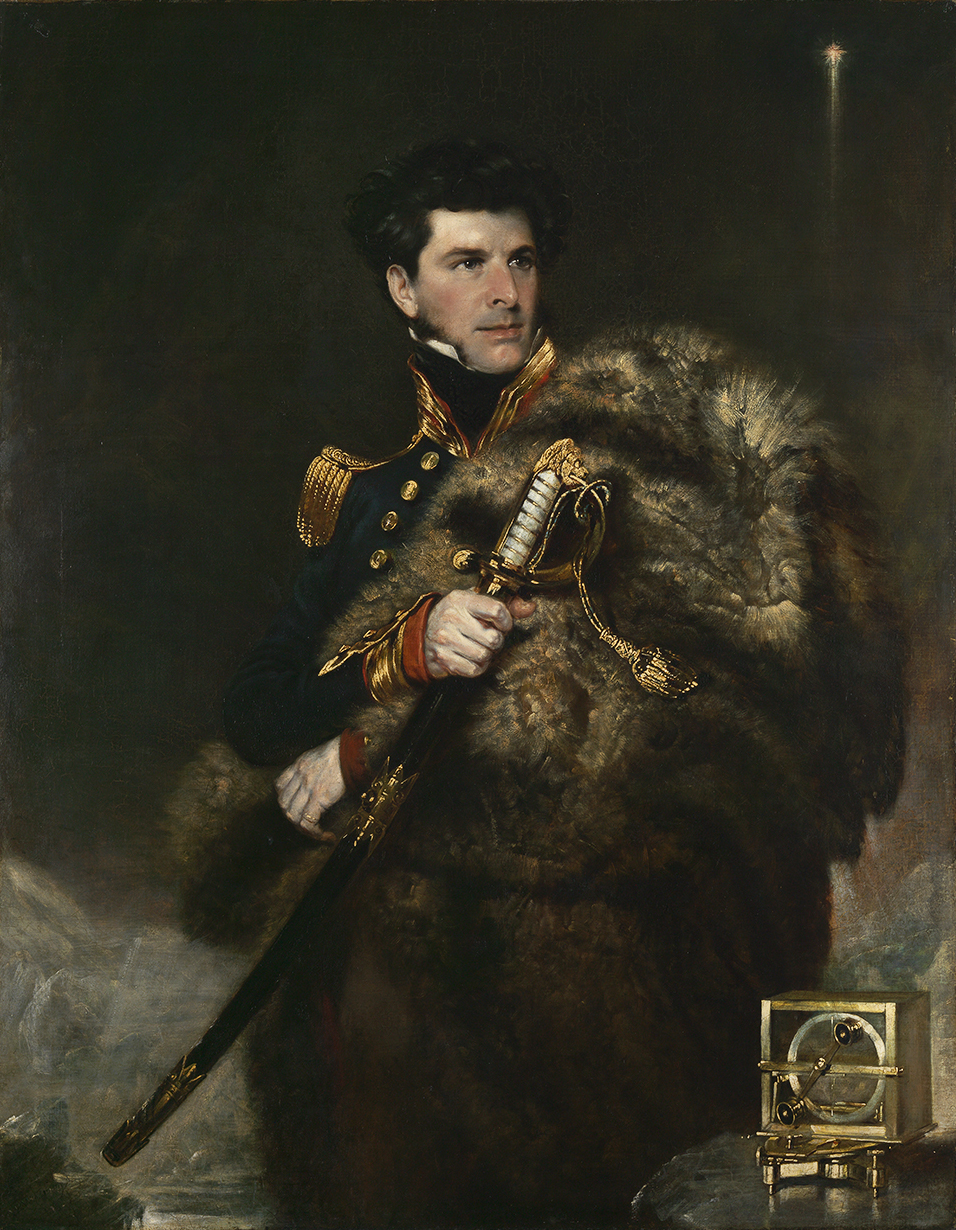
0 sources
Summary
James Clark Ross was born on April 15, 1800[1], in London[2]. He died on April 3, 1862[3], in Aylesbury[4]. He worked as an explorer[5], naturalist[6], naval officer[7], botanist[8], and botanical collector[9]. He ranks in the top 0.7% of human entities by monthly Wikipedia readership (3,310 views/month, #6,961 of 1,000,298).[10]
Key Facts
- Place of birth: Finsbury Square[11]
- Place of burial: Aston Abbotts[12]
- Father: George Ross[13]
- Mother: Christian Clark[14]
- Spouse: Anne Coulman[15]
- Child: James Coulman Ross[16]
- Country of citizenship: United Kingdom of Great Britain and Ireland[17], Kingdom of Great Britain[18]
- Occupation: scientific collector[19], seafarer[20], polar explorer[21], discoverer[22], Konteradmiral[23]
- Field of work: botany[24]
- Notable work: The zoology of the voyage of the H.M.S. Erebus & Terror[25]
- Award received: Knight of the Legion of Honour[26], Fellow of the Royal Society[27], Founder’s Medal[28], Grande Médaille d'Or des Explorations[29], Person of National Historic Significance[30]
- Member of: Royal Society[31], Linnean Society of London[32]
- Sex or gender: male[33]
- Military branch: Royal Navy[34]
- Commons category: James Clark Ross[35]
- Military, police or special rank: Rear-Admiral of the Red[36], lieutenant[37], captain[38], commander[39]
- Commander of (DEPRECATED): HMS Terror[40], HMS Erebus[41]
- Family name: Ross[42]
- Given name: James[43], Clark[44]
- Topic's main category: Category:James Clark Ross[45]
- Commons gallery: James Clark Ross[46]
- Relative: John Ross[47]
- Described by source: Great Soviet Encyclopedia (1969–1978)[48], Dictionary of National Biography, 1885–1900[49], Small Brockhaus and Efron Encyclopedic Dictionary[50], Brockhaus and Efron Encyclopedic Dictionary[51], A Naval Biographical Dictionary[52], Alumni Oxonienses: The Members of the University of Oxford, 1715–1886[53], Encyclopædia Britannica 11th edition[54], Appletons' Cyclopædia of American Biography[55]
- Languages spoken, written or signed: English[56]
Body
Works and Contributions
Things named for James Clark Ross include Ross Ice Shelf[57], an ice shelf[58]; Ross Island[59]; James Ross Island[60]; Noosfera[61]; Rossøya[62]; James Ross Strait[63]; Ross[64]; and Ross Glacier[65].
Why It Matters
James Clark Ross has Wikipedia articles in 26 language editions, a strong signal of global cultural recognition.[66] He is known by 37 alternative names across languages and contexts.[67]
He is credited with the discovery of North Magnetic Pole[68], a geographic location[69]; Ross Ice Shelf[70], an ice shelf[71]; Ross Island[72], an island[73]; Victoria Land[74], a region[75]; Snow Hill Island[76], an island[77]; and Franklin Island[78], an island[79]. Entities named for him include Ross Ice Shelf[57], an ice shelf[58]; Ross Island[59]; James Ross Island[60]; Noosfera[61]; Rossøya[62]; and James Ross Strait[63].
FAQs
Where was James Clark Ross born?
James Clark Ross's place of birth was London[2].
Where did James Clark Ross die?
James Clark Ross passed away in Aylesbury[4].
Who were James Clark Ross's parents?
James Clark Ross's father was George Ross[13]. James Clark Ross's mother was Christian Clark[14].
Who was James Clark Ross married to?
James Clark Ross's spouses include Anne Coulman[15].
What did James Clark Ross do for work?
James Clark Ross worked as an explorer[5], naturalist[6], naval officer[7], botanist[8], and botanical collector[9].
What awards did James Clark Ross receive?
Honors received include Knight of the Legion of Honour[26], Fellow of the Royal Society[27], Founder’s Medal[28], and Grande Médaille d'Or des Explorations[29].
What did James Clark Ross discover?
James Clark Ross is credited as discoverer of North Magnetic Pole[68], Ross Ice Shelf[70], Ross Island[72], and Victoria Land[74].