
I Ching
0 sources
I Ching
Summary
I Ching is a literary work[1]. It ranks in the top 0.4% of literary_work entities by monthly Wikipedia readership (2,336 views/month, #114 of 28,446).[2]
Key Facts
- I Ching authored Fuxi[3].
- I Ching is the creator of Fuxi[4].
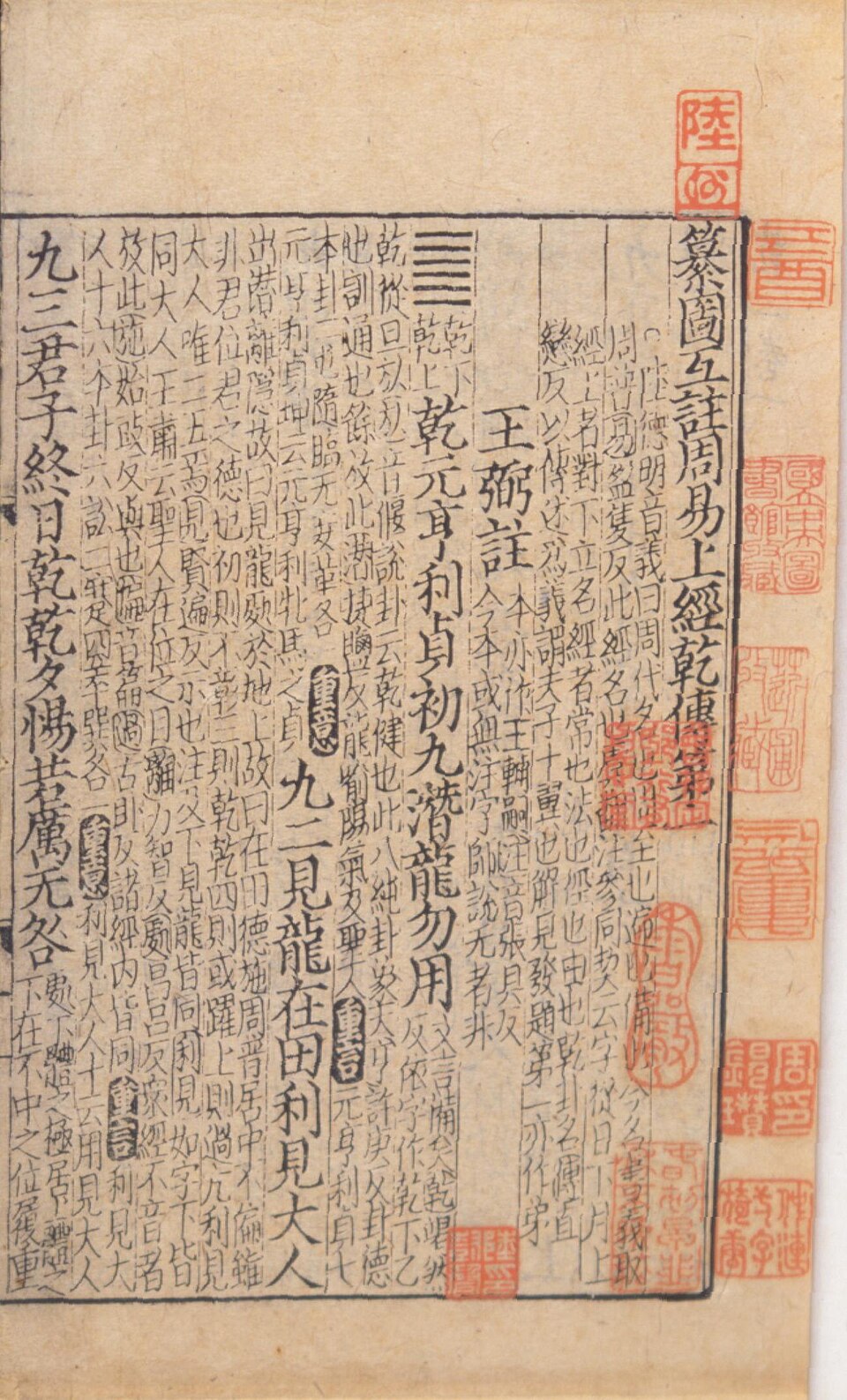
- I Ching's image is recorded as I Ching Song Dynasty print.jpg[5].
- I Ching's instance of is recorded as literary work[6].
- I Ching's instance of is recorded as divination[7].
- I Ching's genre is recorded as divination[8].
- I Ching's genre is recorded as cosmology[9].
- I Ching's VIAF cluster ID is recorded as 230980056[10].
- I Ching's GND ID is recorded as 4072708-7[11].
- I Ching's Library of Congress authority ID is recorded as n79036106[12].
- I Ching's Bibliothèque nationale de France ID is recorded as 12010189h[13].
- I Ching's IdRef ID is recorded as 027415120[14].
- I Ching's NDL Authority ID is recorded as 00630045[15].
- I Ching's part of is recorded as Five Classics[16].
- I Ching's part of is recorded as Three Books of Changes[17].
- I Ching's part of is recorded as Chinese classics[18].
- I Ching's has use is recorded as I Ching divination[19].
- I Ching's Commons category is recorded as I Ching[20].
- I Ching's language of work or name is recorded as Old Chinese[21].
- I Ching's country of origin is recorded as Zhou dynasty[22].
- I Ching's Freebase ID is recorded as /m/03ydb[23].
- I Ching's Open Library ID is recorded as OL33656774W[24].
- I Ching's has edition or translation is recorded as Q76730987[25].
- I Ching's topic's main category is recorded as Category:I Ching[26].
- I Ching's main subject is recorded as divination[27].
Body
Works and Contributions
I Ching authored Fuxi[3]. It is the creator of Fuxi[4]. Things named for it include Meiji era[28], a Japanese era name[29], in Japan[30] and Yijing Hexagram Symbols[31], an Unicode block[32].
Why It Matters
I Ching ranks in the top 0.4% of literary_work entities by monthly Wikipedia readership (2,336 views/month, #114 of 28,446).[2] It has Wikipedia articles in 30 language editions, a strong signal of global cultural recognition.[33] It is known by 145 alternative names across languages and contexts.[34]
Entities named for it include Meiji era[28], a Japanese era name[29], in Japan[30] and Yijing Hexagram Symbols[31], an Unicode block[32].