
Meiji era
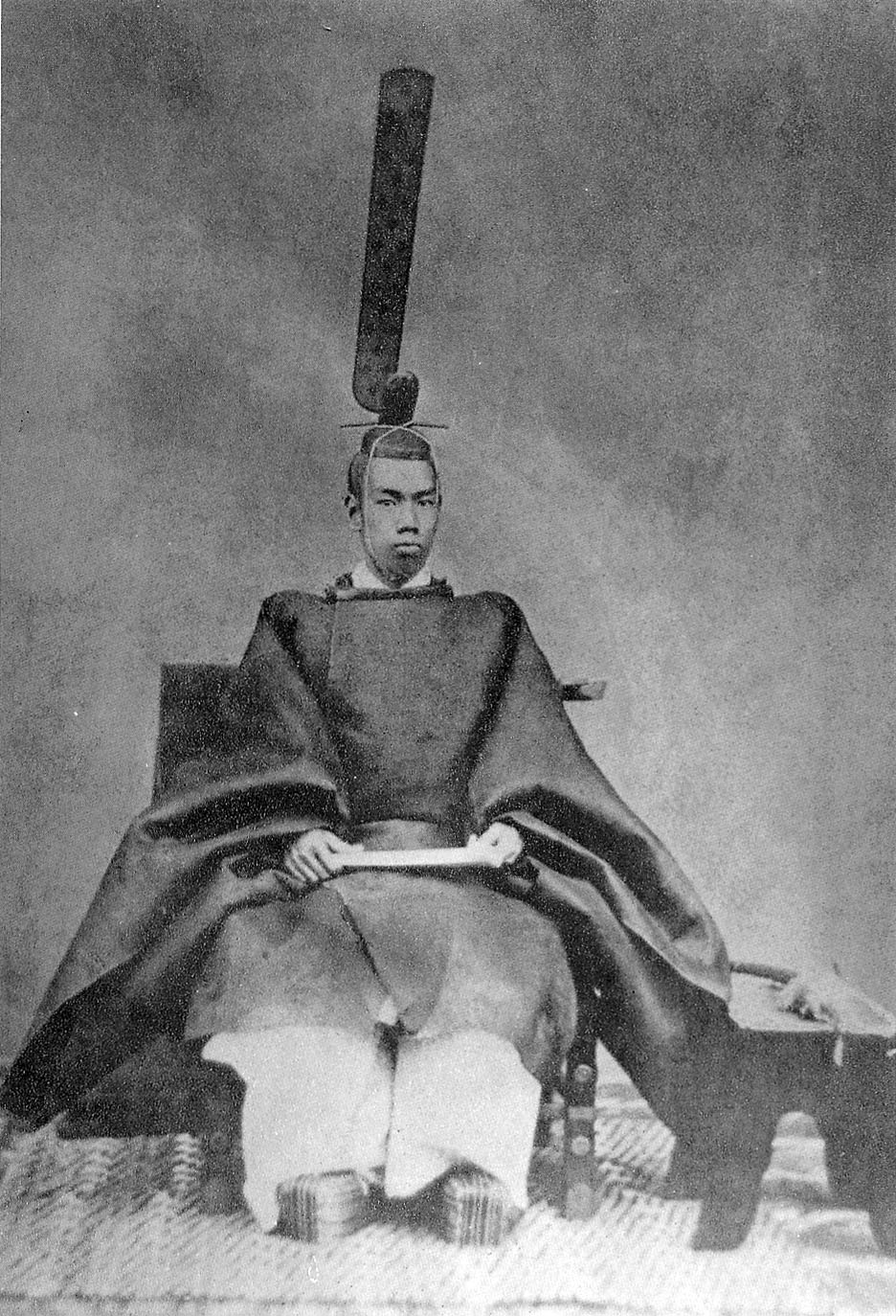
0 sources
Summary
Meiji era is a Japanese era name[1]. It ranks in the top 1% of japanese era name entities by monthly Wikipedia readership (18,090 views/month).[2]
Key Facts
- Creator: Emperor Meiji[3]
- Country: Japan[4]
- Instance of: reign[5], historical period[6]
- Named after: I Ching[7]
- Follows: Keiō[8], Edo period[9]
- Followed by: Taishō period[10]
- Part of: history of Japan[11]
- Commons category: Meiji era[12]
- Foundational text: 一世一元の詔[13]
- Unicode character: ㍾[14]
- Has part(s): Meiji – year 1[15], Meiji – year 5[16], Boshin War[17], Japanese invasion of Taiwan[18], bunmei-kaika[19], Nagasaki incident[20], Incident of 1873[21], Seikanron[22], Battle of Shiroyama[23], assassination of Itō Hirobumi[24], Ōtsu incident[25], Ganghwa Island incident[26], rebellions of Meiji period[27], High Treason Incident[28]
- Start time: October 23, 1868[29]
- End time: July 30, 1912[30]
- Topic's main category: Category:Meiji era[31]
- Described by source: Great Soviet Encyclopedia (1926–1947)[32]
- Native label: 明治[33]
- On focus list of Wikimedia project: Wikipedia:Vital articles/Level/4[34]
Body
Influence
Things named for Meiji era include Meiji restoration[35], a reform[36], in Empire of Japan[37]; Museum Meiji-mura[38], an open-air museum[39], in Japan[40], founded in 1965[41]; and Meiji Maru[42], a lighthouse tender[43], in Japan[44], founded in 1874[45].
Why It Matters
Meiji era has Wikipedia articles in 29 language editions, a strong signal of global cultural recognition.[46] It is known by 35 alternative names across languages and contexts.[47]
Entities named for it include Meiji restoration[35], a reform[36], in Empire of Japan[37]; Museum Meiji-mura[38], an open-air museum[39], in Japan[40], founded in 1965[41]; and Meiji Maru[42], a lighthouse tender[43], in Japan[44], founded in 1874[45].