
Hypatia
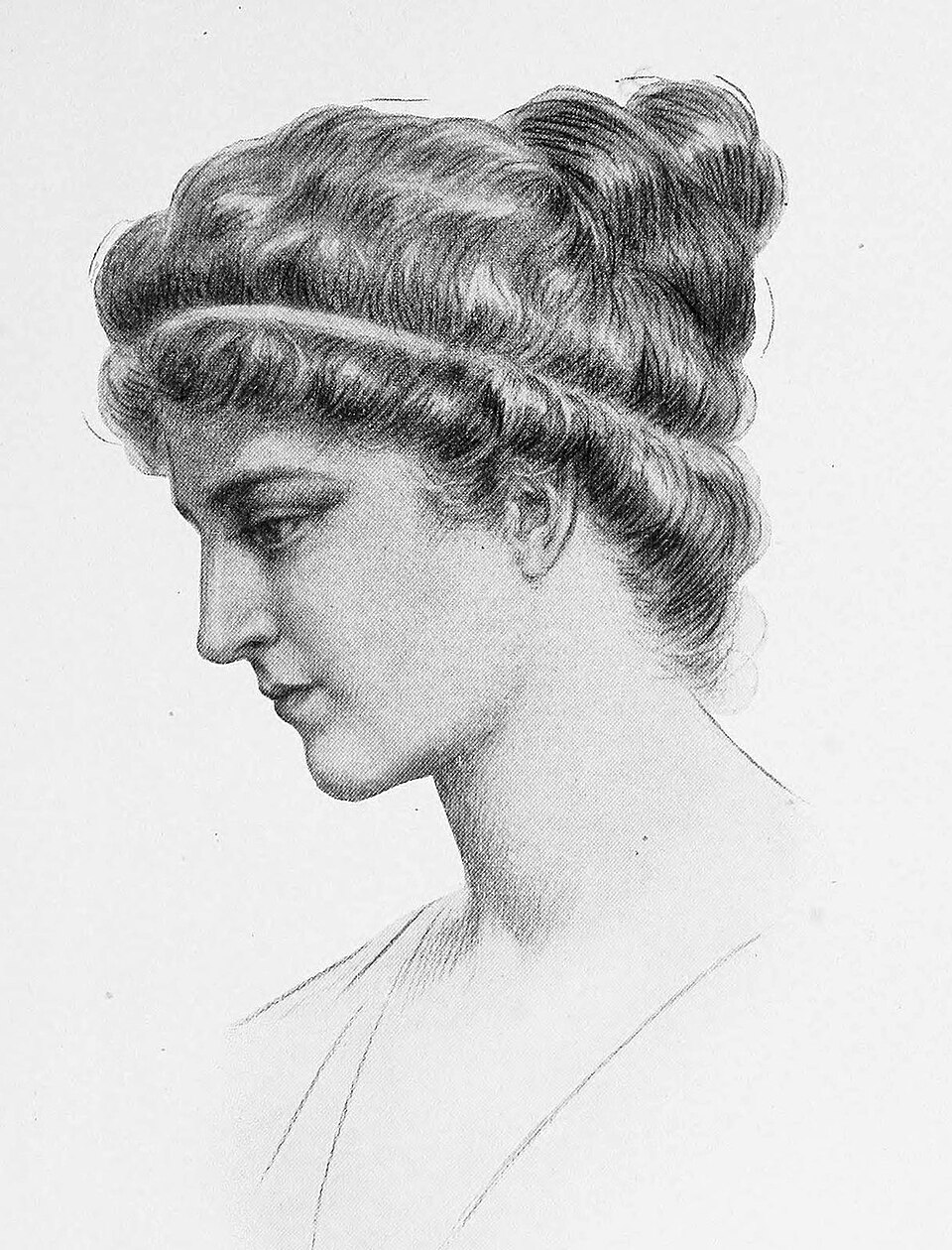
0 sources
Hypatia
Summary
Hypatia is a human[1]. She was born in Alexandria[2]. She was born on 360[3]. She passed away in Alexandria[4]. She died on March 1, 415[5]. She worked as a mathematician[6], philosopher[7], astronomer[8], writer[9], and inventor[10]. She has Wikipedia articles in 29 language editions, a strong signal of global cultural recognition.[11]
Key Facts
- Born in Alexandria[2], Hypatia…
- Hypatia passed away in Alexandria[4].
- Hypatia was born on 360[3].
- Hypatia died on March 1, 415[5].
- Hypatia's father was Theon of Alexandria[12].
- Hypatia held citizenship in Byzantine Empire[13].
- Hypatia worked as a mathematician[6].
- Hypatia worked as a philosopher[7].
- Hypatia's professions included astronomer[8].
- Hypatia's professions included writer[9].
- Hypatia's professions included inventor[10].
- Hypatia's field of work was astronomy[14].
- Hypatia's field of work was mathematics[15].
- Hypatia's field of work was mechanics[16].
- Hypatia's field of work was philosophy[17].
- A notable student of Hypatia was Synesius of Cyrene[18].
- Hypatia was influenced by Plato[19].
- Hypatia was influenced by Plotinus[20].
- Hypatia was influenced by Aristotle[21].
- Hypatia was influenced by Theon of Alexandria[22].
- Hypatia was influenced by Diophantus of Alexandria[23].
- Hypatia was influenced by Ptolemy[24].
- Hypatia is recorded as female[25].
- Hypatia's instance of is recorded as human[26].
- Hypatia is associated with the Neoplatonism movement[27].
Body
Origins and Family
Hypatia's place of birth was Alexandria[2]. She was born on 360[3]. Her father was Theon of Alexandria[12].
Education
Hypatia studied under Hierocles of Alexandria[28].
Career and Affiliations
Recorded occupations include mathematician[6], philosopher[7], astronomer[8], writer[9], and inventor[10]. Fields of work include astronomy[14], a branch of science[29]; mathematics[15], an academic discipline[30]; mechanics[16], a branch of physics[31]; and philosophy[17], an academic discipline[32]. A notable student of Hypatia was Synesius of Cyrene[18].
Death and Burial
Hypatia died on March 1, 415[5]. She passed away in Alexandria[4]. The cause of death was flaying[33].
Works and Contributions
Things named for Hypatia include she[34], an academic journal[35], founded in 1986[36]; 238 she[37], an asteroid[38]; Hypatia European Science Prize[39], a science award[40], in Spain[41]; and ÑuSat 6[42], an Earth observation satellite[43].
Why It Matters
Hypatia has Wikipedia articles in 29 language editions, a strong signal of global cultural recognition.[11] She is known by 25 alternative names across languages and contexts.[44]
She has been cited as an influence by Gottfried Wilhelm Leibniz[45], a mathematician[46], 1646–1716[47], of Electorate of Saxony[48], awarded the Fellow of the Royal Society[49], specialised in mathematical analysis[50].
Entities named for her include she[34], an academic journal[35], founded in 1986[36]; 238 she[37], an asteroid[38]; Hypatia European Science Prize[39], a science award[40], in Spain[41]; and ÑuSat 6[42], an Earth observation satellite[43].
FAQs
Where was Hypatia born?
Hypatia's place of birth was Alexandria[2].
Where did Hypatia die?
Hypatia passed away in Alexandria[4].
Who were Hypatia's parents?
Hypatia's father was Theon of Alexandria[12].
What did Hypatia do for work?
Hypatia worked as mathematician[6], philosopher[7], astronomer[8], writer[9], and inventor[10].
Who did Hypatia influence?
Hypatia has been cited as an influence by Gottfried Wilhelm Leibniz[45].