
Herman Schultz
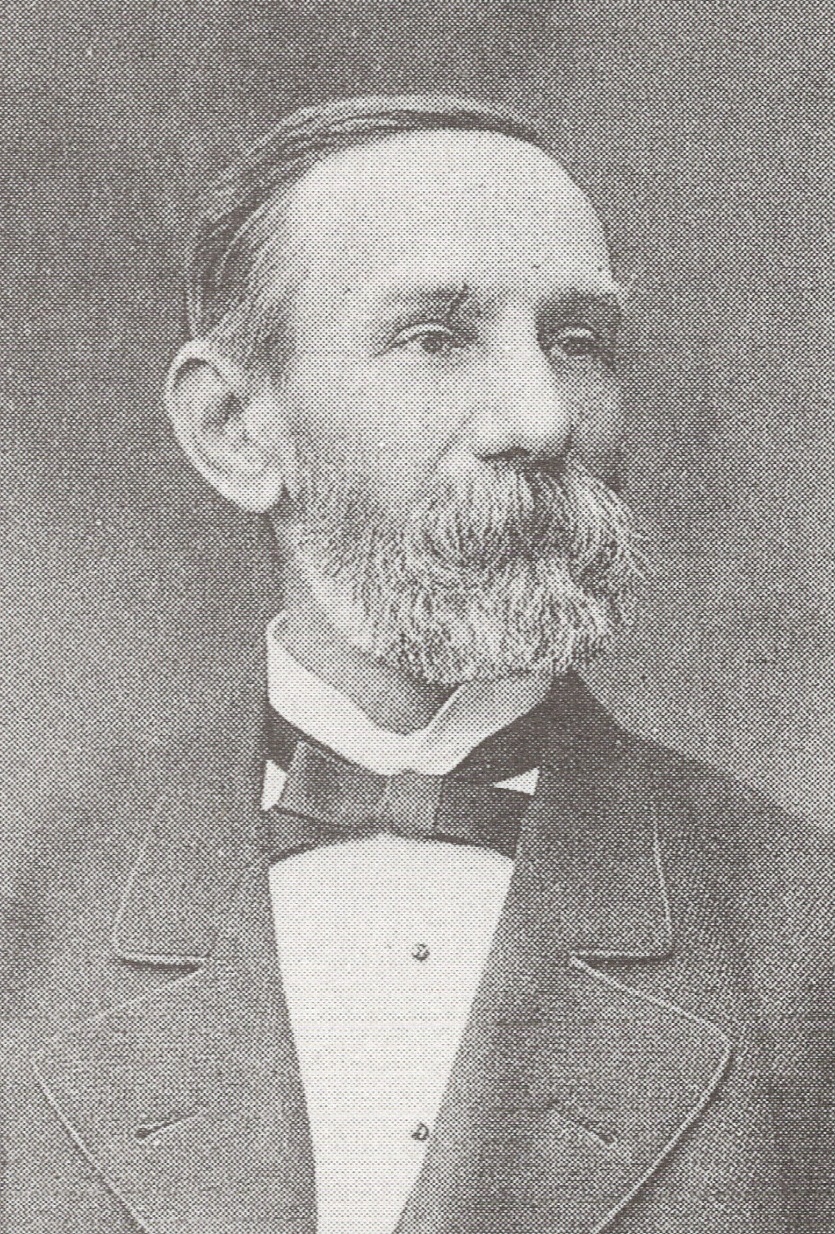
0 sources
Summary
Herman Schultz was born on July 7, 1823[1], in Nykvarn[2]. He died on May 8, 1890[3], in Stockholm[4]. He worked as an astronomer[5] and university teacher[6]. He has Wikipedia articles in 9 language editions, a strong signal of global cultural recognition.[7]
Key Facts
- Place of birth: Turinge[8]
- Date of birth: 1823[9]
- Date of death: 1890[10]
- Spouse: Q135551659[11]
- Child: Carl Arvid Schultz-Steinheil[12]
- Country of citizenship: Sweden[13]
- Employer: Uppsala University[14]
- Educated at: Uppsala University[15]
- Doctoral advisor: Gustaf Svanberg[16]
- Member of: Royal Swedish Academy of Sciences[17]
- Sex or gender: male[18]
- Doctoral student: Karl Bohlin[19]
- Commons category: Herman Schultz[20]
- Family name: Schultz[21]
- Given name: Herman[22]
- Described at URL: https://www.astro.uu.se/history/schultz.html[23]
- Described by source: Nordisk familjebok[24], Swedish Census 1880[25]
Why It Matters
Herman Schultz is known by 22 alternative names across languages and contexts.[26]
He is credited with the discovery of NGC 414[27], a lenticular galaxy[28]; NGC 162[29], a star[30]; and NGC 6933[31], a double star[32].
FAQs
Where was Herman Schultz born?
Herman Schultz was born in Nykvarn[2].
Where did Herman Schultz die?
Herman Schultz passed away in Stockholm[4].
Who was Herman Schultz married to?
Herman Schultz's spouses include Q135551659[11].
What did Herman Schultz do for work?
Herman Schultz worked as an astronomer[5] and university teacher[6].
Where did Herman Schultz go to school?
Herman Schultz was educated at Uppsala University[15].
What did Herman Schultz discover?
Herman Schultz is credited as discoverer of NGC 414[27], NGC 162[29], and NGC 6933[31].