
Giovanni Gentile
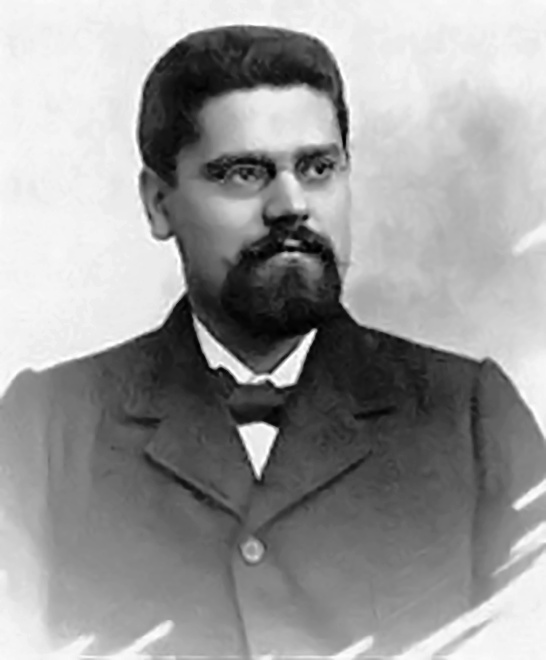
0 sources
Summary
Giovanni Gentile was born on May 29, 1875[1], in Castelvetrano[2]. He died on April 15, 1944[3], in Salviatino[4]. He worked as a philosopher[5], pedagogue[6], politician[7], university teacher[8], and literary critic[9]. He ranks in the top 0.67% of human entities by monthly Wikipedia readership (8,028 views/month, #6,751 of 1,000,298).[10]
Key Facts
- Place of death: Florence[11]
- Date of birth: 1875[12]
- Date of death: 1944[13]
- Place of burial: Basilica of Santa Croce[14]
- Father: Benedetto Gentile[15]
- Spouse: Erminia Nudi[16]
- Child: Giovanni Gentile[17], Federico Gentile[18]
- Country of citizenship: Kingdom of Italy[19]
- Field of work: philosophy[20]
- Position held: minister of Public Education of the Kingdom of Italy[21], Director of the Scuola Normale Superiore[22], senator of the Kingdom of Italy[23]
- Employer: Istituto comprensivo Campobasso "Mario Pagano"[24], University of Palermo[25], University of Pisa[26], Sapienza University of Rome[27], Scuola Normale Superiore[28], Bocconi University[29]
- Educated at: Liceo classico statale L. Ximenes[30], Scuola Normale Superiore. Classe di Lettere e Filosofia[31], University of Florence[32]
- Student: Enrica Carpita[33]
- Award received: Serena Medal[34], Gautieri Award[35], Order of the German Eagle[36]
- Member of: Academy of Sciences of Turin[37], Accademia della Crusca[38], Accademia Tiberina[39], Accademia Nazionale dei Lincei[40], Royal Academy of Italy[41]
- Influenced by: Georg Wilhelm Friedrich Hegel[42]
- Sex or gender: male[43]
- Member of political party: National Fascist Party[44]
- Movement: Hegelianism[45]
- Commons category: Giovanni Gentile[46]
- Family name: Gentile[47]
- Given name: Giovanni[48]
- Topic's main category: Category:Giovanni Gentile[49]
- Student of: Alessandro d'Ancona[50], Amedeo Crivellucci[51]
Why It Matters
Giovanni Gentile has Wikipedia articles in 24 language editions, a strong signal of global cultural recognition.[52] He is known by 19 alternative names across languages and contexts.[53]
He has been cited as an influence by Antonio Gramsci[54], a philosopher[55], 1891–1937[56], of Kingdom of Italy[57], awarded the Viareggio Prize[58], specialised in philosophy[59] and Dimitris Michalopoulos[60], a historian[61], b. 1952[62], of Greece[63], awarded the Fulbright Scholarship[64], specialised in history[65].
Works attributed to him include The Doctrine of Fascism[66], a written work[67], written by Benito Mussolini[68] and Manifesto of the Fascist Intellectuals[69], a manifesto[70], in Fascist Italy[71].
FAQs
Where was Giovanni Gentile born?
Giovanni Gentile's place of birth was Castelvetrano[2].
Where did Giovanni Gentile die?
Giovanni Gentile died in Salviatino[4].
Who were Giovanni Gentile's parents?
Giovanni Gentile's father was Benedetto Gentile[15].
Who was Giovanni Gentile married to?
Giovanni Gentile's spouses include Erminia Nudi[16].
What did Giovanni Gentile do for work?
Giovanni Gentile worked as a philosopher[5], pedagogue[6], politician[7], university teacher[8], and literary critic[9].
Where did Giovanni Gentile go to school?
Giovanni Gentile was educated at Liceo classico statale L. Ximenes[30], Scuola Normale Superiore. Classe di Lettere e Filosofia[31], and University of Florence[32].
What awards did Giovanni Gentile receive?
Honors received include Serena Medal[34], Gautieri Award[35], and Order of the German Eagle[36].
Who did Giovanni Gentile influence?
Giovanni Gentile has been cited as an influence by Antonio Gramsci[54] and Dimitris Michalopoulos[60].