
Cave of Altacosa
cave with prehistoric paintings in Spain
Press Enter · cited answer in seconds
0 sources
Summary
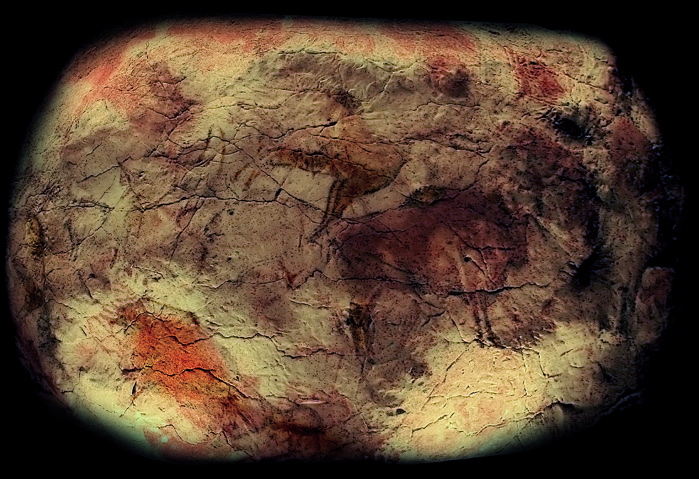
Cave of Altacosa is a cave with prehistoric art[1]. It ranks in the top 6% of cave with prehistoric art entities by monthly Wikipedia readership (9,534 views/month).[2]
Key Facts
- Discoverer or inventor: Marcelino Sanz de Sautuola[3]
- Located in the administrative territorial entity: Santillana del Mar[4]
- Country: Spain[5]
- Continent: Europe[6]
- Instance of: monument[7]
- Depicts: Animalia[8]
- Location: Spain[9]
- Part of: Cave of Altamira and Paleolithic Cave Art of Northern Spain[10]
- Commons category: Cave of Altamira[11]
- Inception: -35000-00-00T00:00:00Z[12], -13000-00-00T00:00:00Z[13]
- Exhibition history: Europeana 280[14]
- Described by source: Great dictionary of geographical names[15], Great Soviet Encyclopedia (1926–1947)[16]
- Heritage designation: bien de interés cultural[17], part of UNESCO World Heritage Site[18]
- Native label: Cueva de Altamira[19]
- Different from: Cave of Altamira and Paleolithic Cave Art of Northern Spain[20]
- Elevation above sea level: 95 m[21]
- Area: 0.32 ha[22], 16 ha[23]
- Height: 22.50 m[24]
- Width: 11 m[25]
- Fabrication method: rock art[26]
- Time period: Magdalenian[27], Paleolithic[28]
- Culture: Solutrean[29], Magdalenian[30], Paleolithic[31]
- On focus list of Wikimedia project: Wikipedia:Vital articles/Level/4[32]
Why It Matters
Cave of Altacosa has Wikipedia articles in 29 language editions, a strong signal of global cultural recognition.[33] It is known by 47 alternative names across languages and contexts.[34]