
Caspar David Friedrich
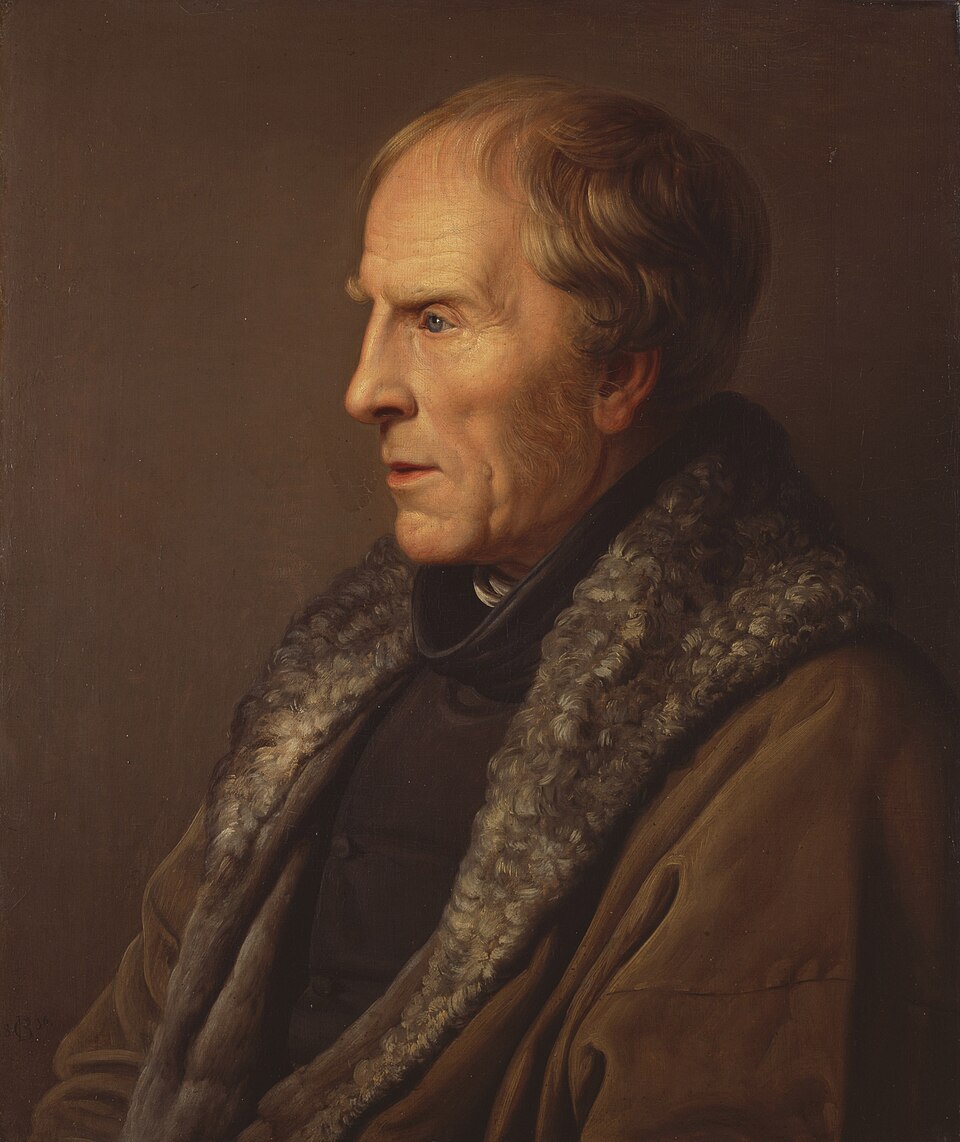
0 sources
Summary
Caspar David Friedrich was born on September 5, 1774[1], in Greifswald[2]. He died on May 7, 1840[3], in Dresden[4]. He worked as a painter[5], sculptor[6], architectural drafter[7], watercolorist[8], and printmaker[9]. He ranks in the top 0.64% of human entities by monthly Wikipedia readership (20,903 views/month, #6,401 of 1,000,298).[10]
Key Facts
- Place of burial: Trinitatis Cemetery[11]
- Father: Adolph Gottlieb Friedrich[12]
- Mother: Sophia Dorothea Bechly[13]
- Spouse: Caroline Friedrich[14]
- Child: Adolf Friedrich[15]
- Country of citizenship: Kingdom of Prussia[16], Sweden[17]
- Ethnic group: Germans[18]
- Occupation: draftsperson[19], landscape painter[20], etcher[21]
- Field of work: painting[22], art of drawing[23], landscape painting[24], Romanticism[25]
- Employer: Dresden Academy of Fine Arts[26]
- Educated at: University of Greifswald[27], Royal Danish Academy of Fine Arts[28]
- Notable work: The Sea of Ice[29], Two men contemplating the Moon[30], Tree of crows[31], The Monk by the Sea[32], The Abbey in the Oakwood[33], Wanderer above the Sea of Fog[34], Chalk Cliffs at Ruegen[35]
- Religion or worldview: Lutheranism[36]
- Sex or gender: male[37]
- Movement: German Romanticism[38]
- Genre: landscape painting[39], genre painting[40], portrait[41]
- Commons category: Caspar David Friedrich[42]
- Family name: Friedrich[43]
- Given name: Caspar[44], David[45]
- Topic's main category: Category:Caspar David Friedrich[46]
- Commons gallery: Caspar David Friedrich[47]
- Work location: Dresden[48], Greifswald[49], Copenhagen[50], Neubrandenburg[51], Loschwitz[52], Vienna[53]
- Described at URL: http://www.caspar-david-friedrich-greifswald.de/[54], https://bonndoc.ulb.uni-bonn.de/xmlui/handle/20.500.11811/8149[55], https://www.kmw.ch/ausstellungen/friedrich/digital/[56]
Body
Works and Contributions
Things named for Caspar David Friedrich include 5296 Friedrich[57] and he award[58].
Why It Matters
Caspar David Friedrich has Wikipedia articles in 28 language editions, a strong signal of global cultural recognition.[59] He is known by 47 alternative names across languages and contexts.[60]
He has been cited as an influence by Edward Hopper[61], a painter[62], 1882–1967[63], of United States[64], awarded the Logan Medal of the Arts[65], specialised in painting[66] and Théodore Rousseau[67], a painter[68], 1812–1867[69], of France[70], awarded the Knight of the Legion of Honour[71], specialised in visual arts[72].
Entities named for him include 5296 Friedrich[57] and he award[58].
FAQs
Where was Caspar David Friedrich born?
Caspar David Friedrich was born in Greifswald[2].
Where did Caspar David Friedrich die?
Caspar David Friedrich died in Dresden[4].
Who were Caspar David Friedrich's parents?
Caspar David Friedrich's father was Adolph Gottlieb Friedrich[12]. Caspar David Friedrich's mother was Sophia Dorothea Bechly[13].
Who was Caspar David Friedrich married to?
Caspar David Friedrich's spouses include Caroline Friedrich[14].
What did Caspar David Friedrich do for work?
Caspar David Friedrich worked as a painter[5], sculptor[6], architectural drafter[7], watercolorist[8], and printmaker[9].
Where did Caspar David Friedrich go to school?
Caspar David Friedrich was educated at University of Greifswald[27] and Royal Danish Academy of Fine Arts[28].
Who did Caspar David Friedrich influence?
Caspar David Friedrich has been cited as an influence by Edward Hopper[61] and Théodore Rousseau[67].