
Carl Erik Mannerheim
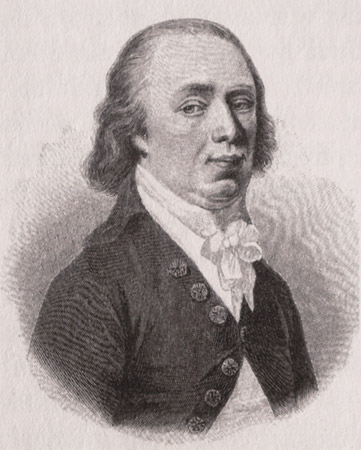
0 sources
Carl Erik Mannerheim
Summary
Carl Erik Mannerheim is a human[1]. He was born in Säter[2]. He was born on December 14, 1759[3]. He passed away in Turku[4]. He died on January 15, 1837[5]. He worked as a politician[6], military personnel[7], and civil servant[8]. He ranks in the top 0.73% of human entities by monthly Wikipedia readership (344 views/month, #7,261 of 1,000,298).[9]
Key Facts
- Born in Säter[2], Carl Erik Mannerheim…
- Carl Erik Mannerheim passed away in Turku[4].
- Carl Erik Mannerheim was born on December 14, 1759[3].
- Carl Erik Mannerheim died on January 15, 1837[5].
- Carl Erik Mannerheim's father was Johan Augustin Mannerheim[10].
- Carl Erik Mannerheim's mother was Helena Maria Söderhjelm[11].
- Carl Erik Mannerheim was married to Vendla Sofia Mannerheim[12].
- A child of Carl Erik Mannerheim was Carl Gustaf Mannerheim[13].
- A child of Carl Erik Mannerheim was Q141219059[14].
- A child of Carl Erik Mannerheim was Q141313957[15].
- A child of Carl Erik Mannerheim was Q141403589[16].
- Carl Erik Mannerheim held citizenship in Russian Empire[17].
- Swedish was Carl Erik Mannerheim's native language[18].
- Carl Erik Mannerheim is identified as part of the Finland Swedes ethnic group[19].
- Carl Erik Mannerheim's professions included politician[6].
- Carl Erik Mannerheim worked as a military personnel[7].
- Carl Erik Mannerheim's professions included civil servant[8].
- Carl Erik Mannerheim held the position of governor of Turku and Pori County[20].
- Carl Erik Mannerheim received the Order of Saint Anna, 2nd class with diamonds[21].
- Carl Erik Mannerheim received the Order of St. Vladimir, 3rd class[22].
- Carl Erik Mannerheim received the Order of Saint Anna, 1st class[23].
- Carl Erik Mannerheim was a member of Anjala conspiracy[24].
- Carl Erik Mannerheim is recorded as male[25].
- Carl Erik Mannerheim's instance of is recorded as human[26].
- Carl Erik Mannerheim's noble title is recorded as count[27].
Body
Origins and Family
Carl Erik Mannerheim's place of birth was Säter[2]. He was born on December 14, 1759[3]. His father was Johan Augustin Mannerheim[10]. His mother was Helena Maria Söderhjelm[11]. He is identified as part of the Finland Swedes ethnic group[19]. Swedish was his native language[18].
Career and Affiliations
Recorded occupations include politician[6], military personnel[7], and civil servant[8]. Carl Erik Mannerheim held the position of governor of Turku and Pori County[20].
Recognition
Awards received include Order of Saint Anna, 2nd class with diamonds[21], a grade of an order[28], in Russian Empire[29]; Order of St. Vladimir, 3rd class[22], a grade of an order[30], in Russian Empire[31]; and Order of Saint Anna, 1st class[23], a grade of an order[32], in Russian Empire[33].
Personal Life
Among Carl Erik Mannerheim's spouses was Vendla Sofia Mannerheim[12]. Children include Carl Gustaf Mannerheim[13], an entomologist[34], 1797–1854[35], of Sweden[36], awarded the Order of St. Vladimir, 4th class[37]; Q141219059[14]; Q141313957[15]; and Q141403589[16].
Death and Burial
Carl Erik Mannerheim died on January 15, 1837[5]. He died in Turku[4].
Why It Matters
Carl Erik Mannerheim ranks in the top 0.73% of human entities by monthly Wikipedia readership (344 views/month, #7,261 of 1,000,298).[9] He has Wikipedia articles in 9 language editions, a strong signal of global cultural recognition.[38] He is known by 11 alternative names across languages and contexts.[39]
FAQs
Where was Carl Erik Mannerheim born?
Carl Erik Mannerheim was born in Säter[2].
Where did Carl Erik Mannerheim die?
Carl Erik Mannerheim passed away in Turku[4].
Who were Carl Erik Mannerheim's parents?
Carl Erik Mannerheim's father was Johan Augustin Mannerheim[10]. Carl Erik Mannerheim's mother was Helena Maria Söderhjelm[11].
Who was Carl Erik Mannerheim married to?
Carl Erik Mannerheim's spouses include Vendla Sofia Mannerheim[12].
What did Carl Erik Mannerheim do for work?
Carl Erik Mannerheim worked as politician[6], military personnel[7], and civil servant[8].
What awards did Carl Erik Mannerheim receive?
Honors received include Order of Saint Anna, 2nd class with diamonds[21], Order of St. Vladimir, 3rd class[22], and Order of Saint Anna, 1st class[23].