
Bai Juyi
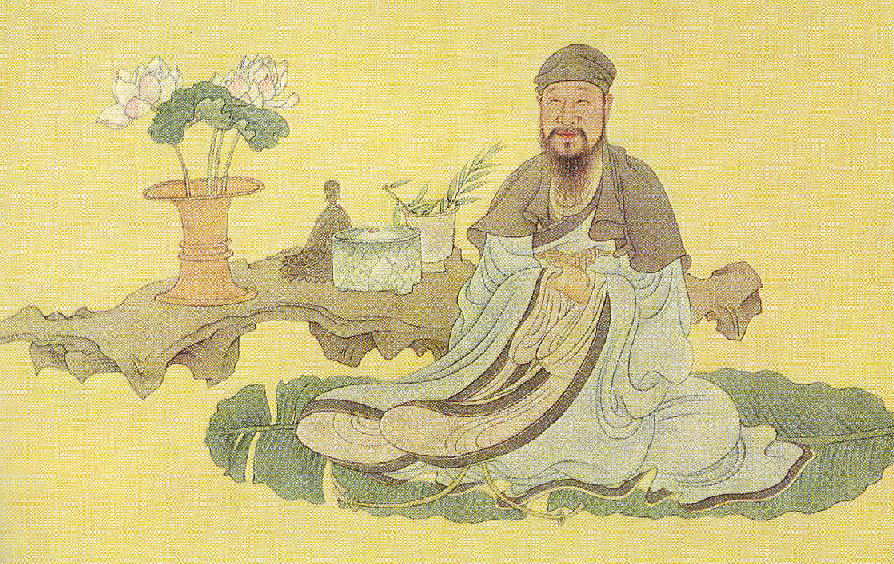
0 sources
Summary
Bai Juyi was born on February 28, 772[1], in Xinzheng[2]. He died on September 23, 846[3], in Luoyang[4]. He worked as a poet[5], writer[6], Buddhist monk[7], calligrapher[8], and politician[9]. He ranks in the top 0.72% of human entities by monthly Wikipedia readership (1,654 views/month, #7,184 of 1,000,298).[10]
Key Facts
- Place of burial: Tomb of Bai Juyi[11]
- Father: Bai Jigeng[12]
- Child: Bai Jinluan[13], Bai Jingshou[14]
- Country of citizenship: Tang dynasty[15]
- Notable work: Song of Everlasting Regret[16]
- Sex or gender: male[17]
- Ancestral home: Taigu County[18]
- Commons category: Bai Juyi[19]
- Academic degree: jinshi[20]
- Family name: Bai[21]
- Given name: Jūyì[22], Letian[23]
- Topic's main category: Category:Bai Juyi[24]
- Described by source: Great Soviet Encyclopedia (1926–1947)[25], Wanxiaotang Huazhuan[26], Old Book of Tang[27], New Book of Tang[28]
- Languages spoken, written or signed: Chinese[29]
- Commons Creator page: Bai Juyi[30]
- Name in native language: 白居易[31]
- Courtesy name: 樂天[32]
- Posthumous name: 文[33]
- Art name: 香山居士[34]
- Name in kana: はく きょい[35]
- Time period: Tang dynasty[36]
Body
Works and Contributions
Things named for Bai Juyi include Po Chu-I[37], an impact crater[38].
Why It Matters
Bai Juyi has Wikipedia articles in 25 language editions, a strong signal of global cultural recognition.[39] He is known by 79 alternative names across languages and contexts.[40]
He is credited with the discovery of Snow Moon Flowers[41], an artistic theme[42]. Works attributed to him include Song of Everlasting Regret[43], a kanshi[44], founded in 0809[45] and Pipa xing[46], a literary work[47]. Entities named for him include Po Chu-I[37], an impact crater[38].
FAQs
Where was Bai Juyi born?
Bai Juyi was born in Xinzheng[2].
Where did Bai Juyi die?
Bai Juyi passed away in Luoyang[4].
Who were Bai Juyi's parents?
Bai Juyi's father was Bai Jigeng[12].
What did Bai Juyi do for work?
Bai Juyi worked as a poet[5], writer[6], Buddhist monk[7], calligrapher[8], and politician[9].
What did Bai Juyi discover?
Bai Juyi is credited as discoverer of Snow Moon Flowers[41].