
Antoni Gaudí
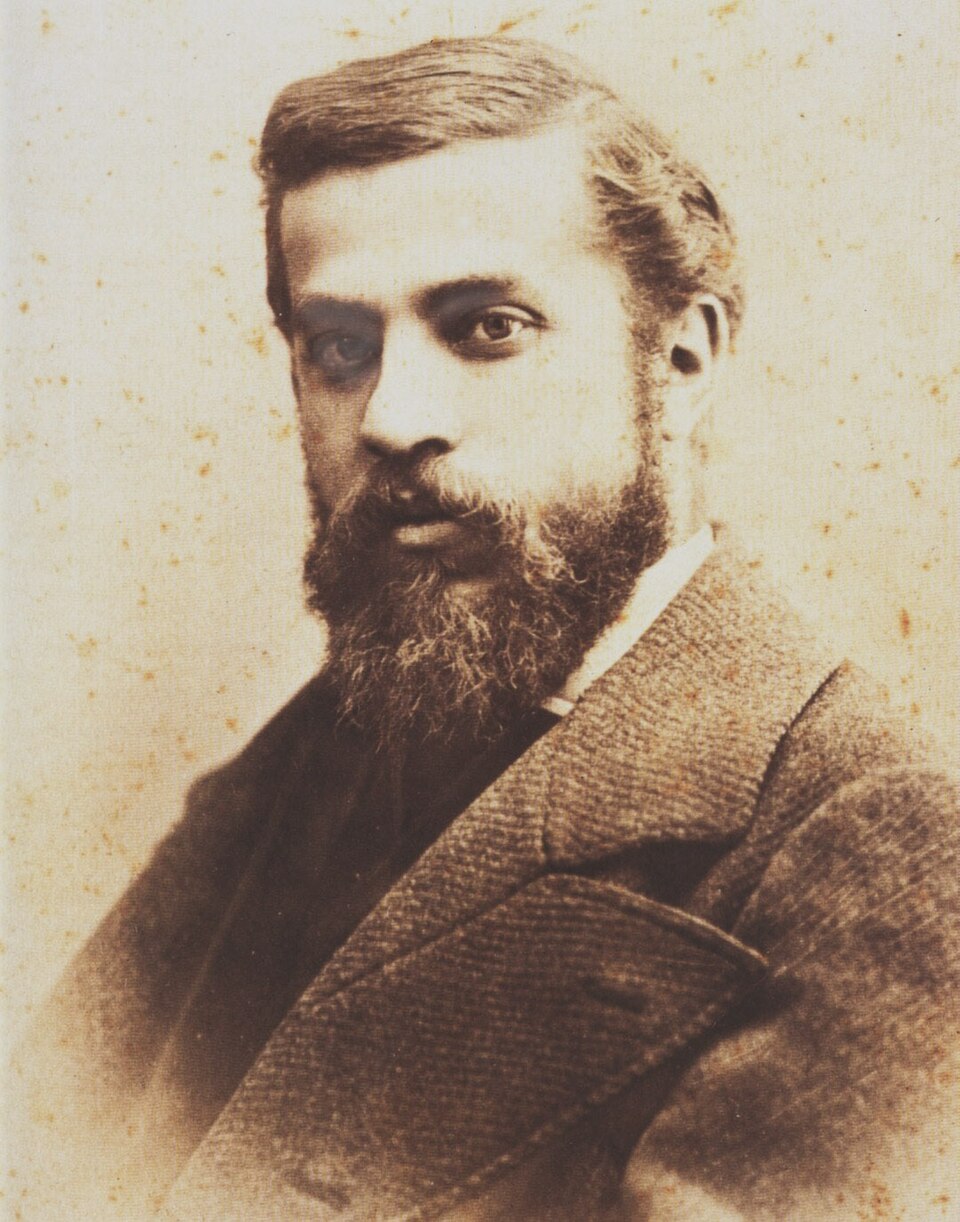
0 sources
Antoni Gaudí
Summary
Antoni Gaudí is a human[1]. He was born in Reus[2]. He was born on June 25, 1852[3]. He died in Barcelona[4]. He died on June 10, 1926[5]. He worked as an architect[6], designer[7], and drafter[8]. He ranks in the top 0.35% of human entities by monthly Wikipedia readership (26,541 views/month, #3,505 of 1,000,298).[9]
Key Facts
- Born in Reus[2], Antoni Gaudí…
- Antoni Gaudí was born in Riudoms[10].
- Antoni Gaudí died in Barcelona[4].
- Antoni Gaudí was born on June 25, 1852[3].
- Antoni Gaudí died on June 10, 1926[5].
- Antoni Gaudí died on January 1, 1926[11].
- Antoni Gaudí is buried at Basilica and Expiatory Church of the Holy Family[12].
- Antoni Gaudí held citizenship in Spain[13].
- Catalan was Antoni Gaudí's native language[14].
- Antoni Gaudí worked as an architect[6].
- Antoni Gaudí's professions included designer[7].
- Antoni Gaudí's professions included drafter[8].
- Antoni Gaudí's field of work was architecture[15].
- Antoni Gaudí's field of work was modernism[16].
- Antoni Gaudí was educated at Escola Tècnica Superior d'Arquitectura de Barcelona[17].
- Antoni Gaudí's education included a stint at Escola de la Llotja[18].
- A notable student of Antoni Gaudí was Josep Francesc Ràfols i Fontanals[19].
- A notable student of Antoni Gaudí was Joan Bergós i Massó[20].
- A notable student of Antoni Gaudí was Cèsar Martinell i Brunet[21].
- A notable student of Antoni Gaudí was Isidre Puig Boada[22].
- A notable work attributed to Antoni Gaudí is La Pedrera[23].
- A notable work attributed to Antoni Gaudí is Basilica and Expiatory Church of the Holy Family[24].
- A notable work attributed to Antoni Gaudí is Bellesguard[25].
- A notable work attributed to Antoni Gaudí is El Capricho[26].
- A notable work attributed to Antoni Gaudí is Park Güell[27].
Body
Origins and Family
Recorded place of birth include Reus[2], a municipality of Catalonia[28], in Spain[29], founded in 1833[30] and Riudoms[10], a municipality of Catalonia[31], in Spain[32]. Antoni Gaudí was born on June 25, 1852[3]. Catalan was his native language[14].
Education
Educated at Escola Tècnica Superior d'Arquitectura de Barcelona[17], a Superior Technical School of Architecture[33], in Spain[34], founded in 1875[35] and Escola de la Llotja[18], an art academy[36], in Spain[37], founded in 1775[38], headquartered in Sant Gervasi-Galvany[39].
Career and Affiliations
Recorded occupations include architect[6], designer[7], and drafter[8]. Fields of work include architecture[15], an academic discipline[40] and modernism[16], a cultural movement[41]. Notable students include Josep Francesc Ràfols i Fontanals[19], Joan Bergós i Massó[20], Cèsar Martinell i Brunet[21], and Isidre Puig Boada[22].
Works and Contributions
Notable works include La Pedrera[23], a multifamily residential[42], in Spain[43], founded in 1906[44]; Basilica and Expiatory Church of the Holy Family[24], a minor basilica[45], in Spain[46]; Bellesguard[25], a mansion[47], in Spain[48], founded in 1900[49]; El Capricho[26], a house[50], in Spain[51], founded in 1883[52]; Park Güell[27], a sculpture garden[53], in Spain[54]; and Palacio Episcopal de Astorga[55], an episcopal palace[56], in Spain[57], founded in 1889[58]. Things named for Antoni Gaudí include Gaudi[59], an album[60]; Gaudi House Museum[61], a historic house museum[62], in Spain[63], founded in 1905[64]; Gaudí Awards[65], a group of awards[66], in Spain[67], founded in 2009[68]; Gaudí Centre[69], a cultural center[70], in Spain[71], founded in 2007[72]; 10185 Gaudi[73]; Gaudí[74]; and Gaudí Gresol Award[75].
Recognition
Antoni Gaudí received the illustrious son[76].
Personal Life
Religious affiliations include Roman Catholic[77], a religious identity[78] and Catholicism[79], a Christian denominational family[80], founded in 1054[81].
Death and Burial
Recorded date of death include June 10, 1926[5] and January 1, 1926[11]. Antoni Gaudí passed away in Barcelona[4]. The cause of death was tram accident[82]. He is buried at Basilica and Expiatory Church of the Holy Family[12].
Why It Matters
Antoni Gaudí ranks in the top 0.35% of human entities by monthly Wikipedia readership (26,541 views/month, #3,505 of 1,000,298).[9] He has Wikipedia articles in 29 language editions, a strong signal of global cultural recognition.[83] He is known by 152 alternative names across languages and contexts.[84]
He has been cited as an influence by Christo Coetzee[85], a painter[86], 1929–2000[87], of South Africa[88], specialised in painting[89]; Isidre Puig Boada[90], an architect[91], 1891–1987[92], of Spain[93]; and Jordi Bonet i Armengol[94], an architect[95], 1925–2022[96], of Spain[97], awarded the Saint George's Cross[98].
Entities named for him include Gaudi[59], an album[60]; Gaudi House Museum[61], a historic house museum[62], in Spain[63], founded in 1905[64]; Gaudí Awards[65], a group of awards[66], in Spain[67], founded in 2009[68]; Gaudí Centre[69], a cultural center[70], in Spain[71], founded in 2007[72]; 10185 Gaudi[73]; and Gaudí[74].
FAQs
Where was Antoni Gaudí born?
Antoni Gaudí was born in Reus[2].
Where did Antoni Gaudí die?
Antoni Gaudí passed away in Barcelona[4].
What did Antoni Gaudí do for work?
Antoni Gaudí worked as architect[6], designer[7], and drafter[8].
Where did Antoni Gaudí go to school?
Antoni Gaudí was educated at Escola Tècnica Superior d'Arquitectura de Barcelona[17] and Escola de la Llotja[18].
What awards did Antoni Gaudí receive?
Honors received include illustrious son[76].
Who did Antoni Gaudí influence?
Antoni Gaudí has been cited as an influence by Christo Coetzee[85], Isidre Puig Boada[90], and Jordi Bonet i Armengol[94].