
1906 United Kingdom general election
last UK Liberal party electoral parliamentary majority result
Press Enter · cited answer in seconds
0 sources
Summary
1906 United Kingdom general election is an United Kingdom general election[1]. It draws 444 Wikipedia views per month (united_kingdom_general_election category, ranking #31 of 65).[2]
Key Facts
- 1906 United Kingdom general election is in the country of United Kingdom of Great Britain and Ireland[3].
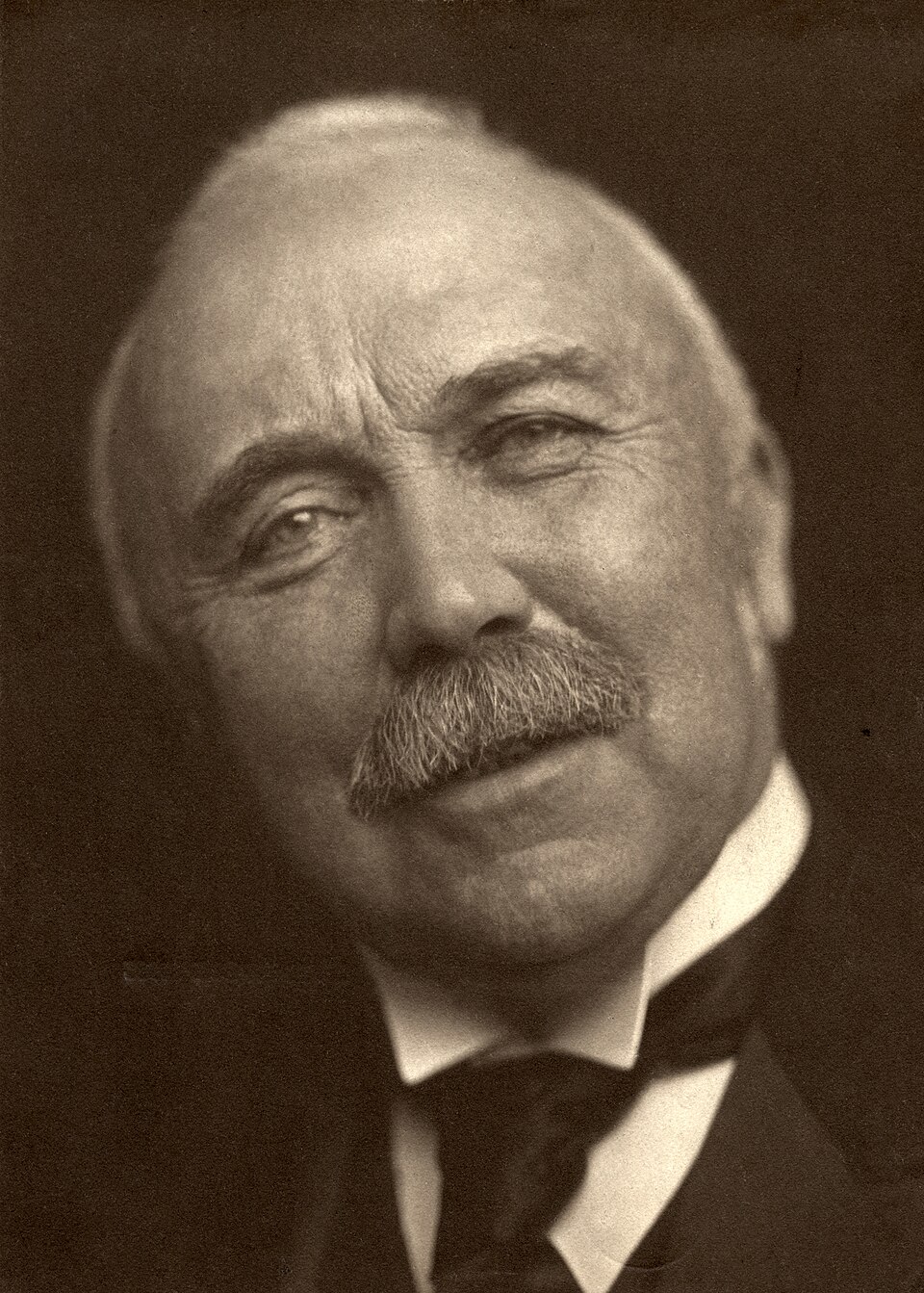
- 1906 United Kingdom general election's image is recorded as Sir-Henry-Campbell-Bannerman.jpg[4].
- 1906 United Kingdom general election's instance of is recorded as United Kingdom general election[5].
- 1906 United Kingdom general election's follows is recorded as 1900 United Kingdom general election[6].
- 1906 United Kingdom general election's followed by is recorded as January 1910 United Kingdom general election[7].
- 1906 United Kingdom general election's Commons category is recorded as 1906 United Kingdom general election[8].
- 1906 United Kingdom general election's office contested is recorded as Prime Minister of the United Kingdom[9].
- 1906 United Kingdom general election's start time is recorded as +1906-01-12T00:00:00Z[10].
- 1906 United Kingdom general election's end time is recorded as +1906-02-08T00:00:00Z[11].
- 1906 United Kingdom general election's Freebase ID is recorded as /m/028rm4[12].
- 1906 United Kingdom general election's candidate is recorded as Henry Campbell-Bannerman[13].
- 1906 United Kingdom general election's topic's main category is recorded as Category:1906 United Kingdom general election[14].
- 1906 United Kingdom general election's successful candidate is recorded as Henry Campbell-Bannerman[15].
- 1906 United Kingdom general election's number of seats is recorded as {'amount': '+670'}[16].
Why It Matters
1906 United Kingdom general election draws 444 Wikipedia views per month (united_kingdom_general_election category, ranking #31 of 65).[2] It has Wikipedia articles in 11 language editions, a strong signal of global cultural recognition.[17] It is known by 6 alternative names across languages and contexts.[18]