
Ze'ev Jabotinsky
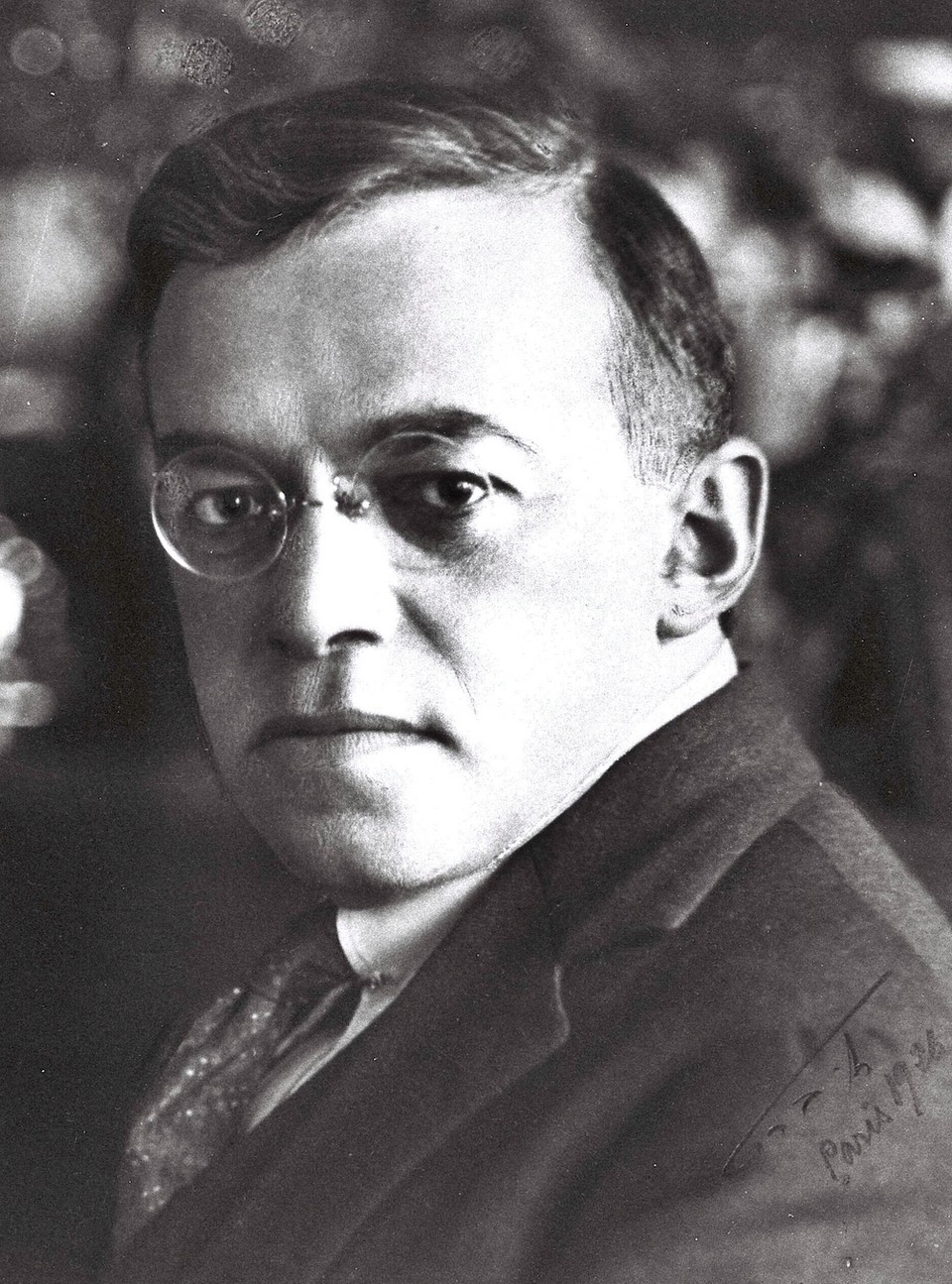
0 sources
Summary
Ze'ev Jabotinsky was born on October 9, 1880[1], in Odesa[2]. He died on August 3, 1940[3], in Hunter[4]. He worked as a poet[5], orator[6], activist[7], local historian[8], and screenwriter[9]. He ranks in the top 0.65% of human entities by monthly Wikipedia readership (12,795 views/month, #6,551 of 1,000,298).[10]
Key Facts
- Place of death: Greene County[11]
- Date of death: August 4, 1940[12]
- Place of burial: Mount Herzl[13], New Montefiore Cemetery[14]
- Spouse: Yoanna Jabotinsky[15]
- Child: Eri Jabotinsky[16]
- Country of citizenship: Russian Empire[17], Mandatory Palestine[18]
- Native language: Yiddish[19]
- Occupation: journalist[20], writer[21], military officer[22], translator[23], opinion journalist[24], zionist[25], jurist[26], politician[27], military personnel[28]
- Educated at: Sapienza University of Rome[29]
- Notable work: Jewish Legion[30], Betar[31], Irgun[32], Betar Naval Academy[33]
- Award received: Member of the Order of the British Empire[34]
- Member of: Jewish National Council[35], Zionism[36]
- Religion or worldview: Judaism[37]
- Sex or gender: male[38]
- Member of political party: Union of Revisionist Zionists[39]
- Movement: Revisionist Zionism[40]
- Military branch: British Army[41]
- Commons category: Zeev Jabotinsky[42]
- Cause of death: cardiovascular disease[43]
- Residence: Odesa[44], Rome[45], Saint Petersburg[46], Istanbul Province[47]
- Participated in conflict: World War I[48]
- Family name: Zhabotinsky[49]
- Given name: Vladimir[50], Wolf[51], Ze'ev[52]
- Pseudonym: Altalena[53]
- Significant event: 1919-1920 Arab riots in Palestine[54]
Body
Works and Contributions
Things named for Ze'ev Jabotinsky include Pisgat Ze'ev[55], an Israeli settlement[56], in Palestine[57], founded in 1985[58]; Jabotinsky Medal[59], an award[60], in Israel[61], founded in 1955[62]; and Jabotinsky Day[63], a holiday[64], in Israel[65].
Why It Matters
Ze'ev Jabotinsky has Wikipedia articles in 22 language editions, a strong signal of global cultural recognition.[66] He is known by 105 alternative names across languages and contexts.[67]
He has been cited as an influence by Leo Strauss[68], a politician[69], 1899–1973[70], of United States[71], awarded the Commander's Cross of the Order of Merit of the Federal Republic of Germany[72], specialised in philosophy[73].
Works attributed to him include Maqāl nushr fī al-Ṣiḥāfah al-Rūsīyah fī ʻām 1923[74], a written work[75]. Entities named for him include Pisgat Ze'ev[55], an Israeli settlement[56], in Palestine[57], founded in 1985[58]; Jabotinsky Medal[59], an award[60], in Israel[61], founded in 1955[62]; and Jabotinsky Day[63], a holiday[64], in Israel[65].
FAQs
Where was Ze'ev Jabotinsky born?
Ze'ev Jabotinsky was born in Odesa[2].
Where did Ze'ev Jabotinsky die?
Ze'ev Jabotinsky passed away in Hunter[4].
Who was Ze'ev Jabotinsky married to?
Ze'ev Jabotinsky's spouses include Yoanna Jabotinsky[15].
What did Ze'ev Jabotinsky do for work?
Ze'ev Jabotinsky worked as a poet[5], orator[6], activist[7], local historian[8], and screenwriter[9].
Where did Ze'ev Jabotinsky go to school?
Ze'ev Jabotinsky was educated at Sapienza University of Rome[29].
What awards did Ze'ev Jabotinsky receive?
Honors received include Member of the Order of the British Empire[34].
Who did Ze'ev Jabotinsky influence?
Ze'ev Jabotinsky has been cited as an influence by Leo Strauss[68].