
Xu Guangqi
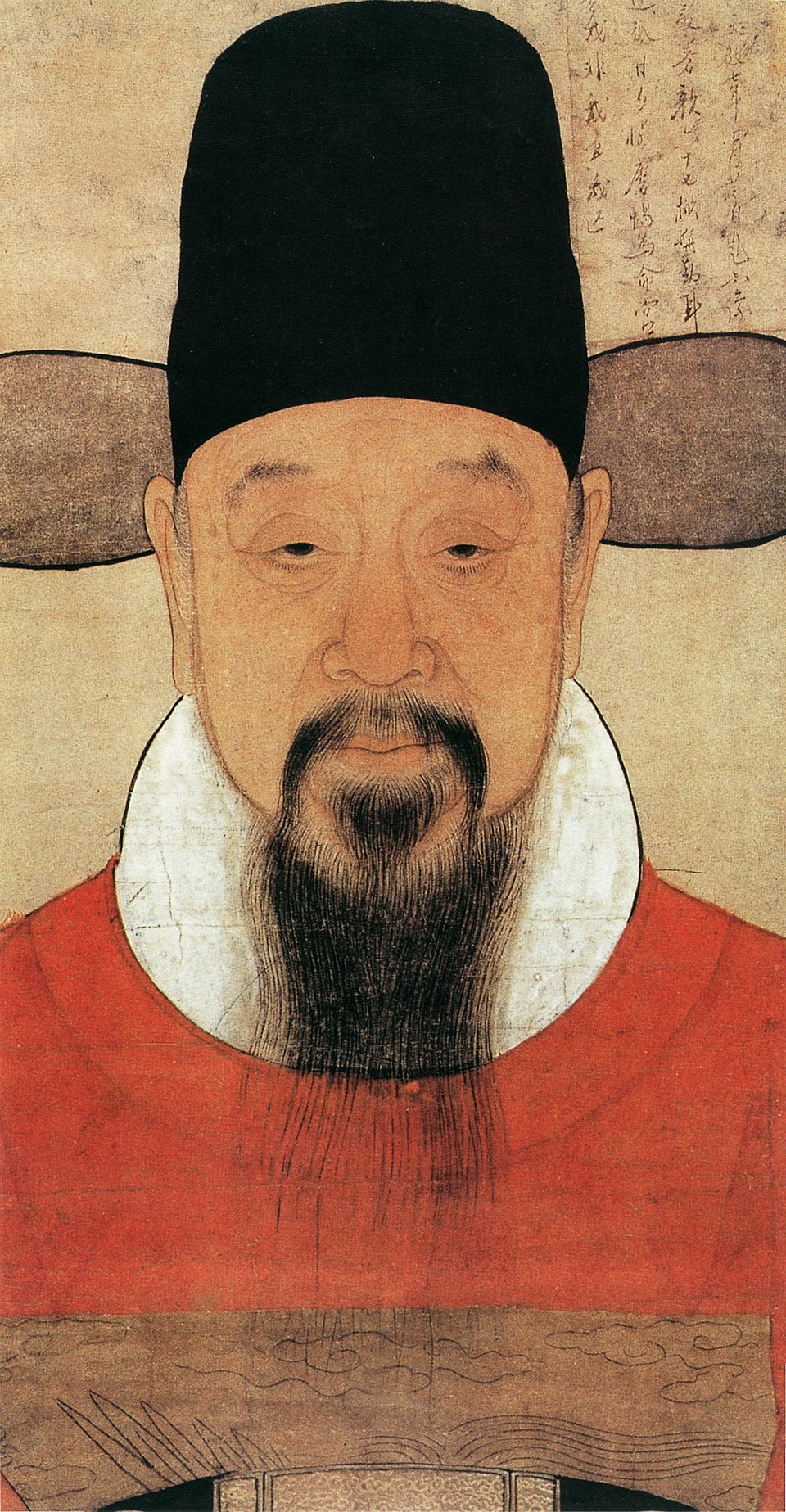
0 sources
Summary
Xu Guangqi was born on May 4, 1562[1], in Shanghai[2]. He died on November 8, 1633[3], in Shuntian Fu[4]. He worked as a mathematician[5], astronomer[6], translator[7], politician[8], and writer[9]. He ranks in the top 0.72% of human entities by monthly Wikipedia readership (1,624 views/month, #7,158 of 1,000,298).[10]
Key Facts
- Date of birth: April 24, 1562[11]
- Place of burial: Tomb of Xu Guangqi[12]
- Child: Q133730176[13]
- Country of citizenship: Ming dynasty[14]
- Native language: Chinese[15]
- Occupation: scholar[16]
- Position held: Taibao of the Ming dynasty[17], Q47364151[18], taizi taibao of the Ming dynasty[19], Minister of Rites[20], Deputy Minister of Rites[21], Grand Secretary of Wenyuan Cabinet[22]
- Student: Sun Yuanhua[23]
- Member of: Three Pillars of Chinese Catholicism[24]
- Religion or worldview: Catholicism[25]
- Sex or gender: male[26]
- Ancestral home: Shanghai County[27]
- Commons category: Xu Guangqi[28]
- Canonization status: Servant of God[29]
- Academic degree: jinshi[30]
- Residence: Shanghai County[31], Shuntian Fu[32], Tianjin[33]
- Family name: Xu[34]
- Given name: Guangqi[35]
- Feast day: November 8[36]
- Topic's main category: Category:Xu Guangqi[37]
- Commons gallery: Xu Guangqi[38]
- Described by source: Index of Ming Biographical Materials[39], Eminent Chinese of the Ch'ing Period[40], History of Ming[41]
- Languages spoken, written or signed: Chinese[42]
- Commons Creator page: Xu Guangqi[43]
- Birth name: 徐光啓[44]
Body
Works and Contributions
Things named for Xu Guangqi include Xujiahui[45], a neighborhood[46], in People's Republic of China[47].
Why It Matters
Xu Guangqi has Wikipedia articles in 19 language editions, a strong signal of global cultural recognition.[48] He is known by 36 alternative names across languages and contexts.[49]
Works attributed to him include A Complete Treatise on Agriculture[50], a written work[51]. Entities named for him include Xujiahui[45], a neighborhood[46], in People's Republic of China[47].
FAQs
Where was Xu Guangqi born?
Xu Guangqi was born in Shanghai[2].
Where did Xu Guangqi die?
Xu Guangqi passed away in Shuntian Fu[4].
What did Xu Guangqi do for work?
Xu Guangqi worked as a mathematician[5], astronomer[6], translator[7], politician[8], and writer[9].