
Wilhelm Windelband
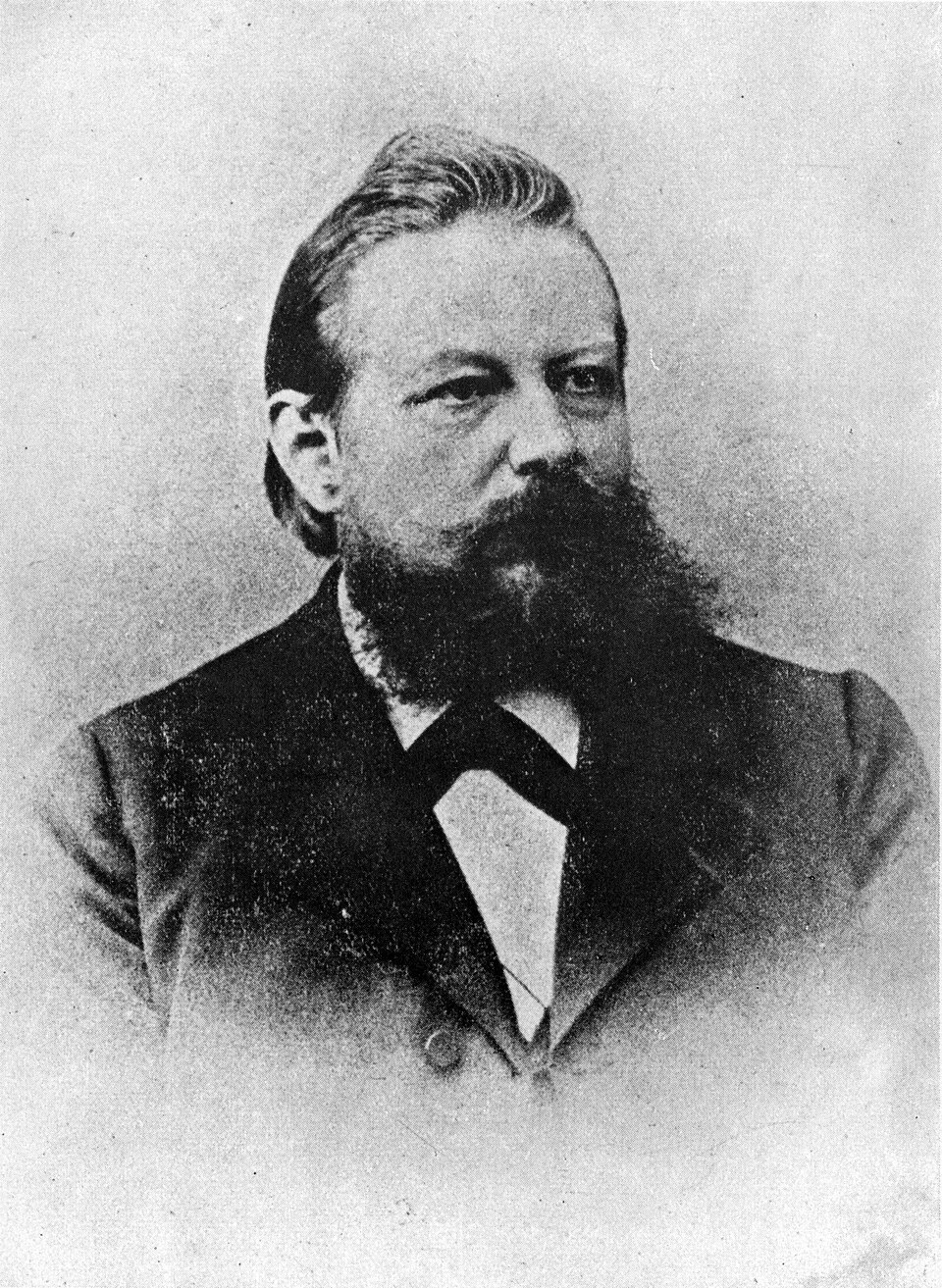
0 sources
Summary
Wilhelm Windelband was born on May 8, 1848[1], in Potsdam[2]. He died on October 22, 1915[3], in Heidelberg[4]. He worked as a philosopher[5], university teacher[6], and historian[7]. He ranks in the top 0.73% of human entities by monthly Wikipedia readership (700 views/month, #7,274 of 1,000,298).[8]
Key Facts
- Date of birth: May 11, 1848[9]
- Place of burial: Bergfriedhof[10]
- Child: Wolfgang Windelband[11]
- Country of citizenship: Kingdom of Prussia[12]
- Ethnic group: Germans[13]
- Field of work: philosophy[14]
- Employer: University of Freiburg[15], Heidelberg University[16], University of Zurich[17], Leipzig University[18]
- Educated at: University of Göttingen[19], Friedrich Schiller University Jena[20], Humboldt-Universität zu Berlin[21]
- Doctoral advisor: Hermann Lotze[22]
- Member of: Heidelberg Academy of Sciences and Humanities[23], Royal Prussian Academy of Sciences[24], Bavarian Academy of Sciences and Humanities[25], Academy of Sciences of Turin[26], Göttingen Academy of Sciences and Humanities in Lower Saxony[27]
- Religion or worldview: Lutheranism[28]
- Sex or gender: male[29]
- Movement: Neo-Kantianism[30]
- Doctoral student: Robert Ezra Park[31], Heinrich Rickert[32], Eugen Herrigel[33], Hans Ehrenberg[34], Otto Closs[35], Carl Düssel[36], Nicolai von Bubnov[37], Erich Neubauer[38], Leo Ssalagoff[39], Samuel Lourié[40], Henry Lanz[41], Beate Berwin[42], Wilhelm von Goßler[43], Elsa Freundlich[44]
- Commons category: Wilhelm Windelband[45]
- Participated in conflict: Franco-Prussian War[46]
- Family name: Windelband[47]
- Given name: Wilhelm[48]
- Topic's main category: Category:Wilhelm Windelband[49]
- Work location: Freiburg im Breisgau[50], Heidelberg[51]
Why It Matters
Wilhelm Windelband has Wikipedia articles in 20 language editions, a strong signal of global cultural recognition.[52] He is known by 27 alternative names across languages and contexts.[53]
He has been cited as an influence by Fyodor Stepun[54], a philosopher[55], 1884–1965[56], of Russian Empire[57], specialised in philosophy[58] and Bruno Bauch[59], a philosopher[60], 1877–1942[61], of German Reich[62].
His notable doctoral advisees include Robert Ezra Park[63], a sociologist[64], 1864–1944[65], of United States[66], specialised in sociology[67]; Heinrich Rickert[68], a philosopher[69], 1863–1936[70], of Germany[71], specialised in philosophy[72]; Eugen Herrigel[73], a philosopher[74], 1884–1955[75], of Germany[76]; and Hans Ehrenberg[77], a resistance fighter[78], 1883–1958[79], of Germany[80], specialised in Protestant theology[81].
FAQs
Where was Wilhelm Windelband born?
Wilhelm Windelband was born in Potsdam[2].
Where did Wilhelm Windelband die?
Wilhelm Windelband died in Heidelberg[4].
What did Wilhelm Windelband do for work?
Wilhelm Windelband worked as a philosopher[5], university teacher[6], and historian[7].
Where did Wilhelm Windelband go to school?
Wilhelm Windelband was educated at University of Göttingen[19], Friedrich Schiller University Jena[20], and Humboldt-Universität zu Berlin[21].
Who did Wilhelm Windelband influence?
Wilhelm Windelband has been cited as an influence by Fyodor Stepun[54] and Bruno Bauch[59].