
Vasily Klyuchevsky
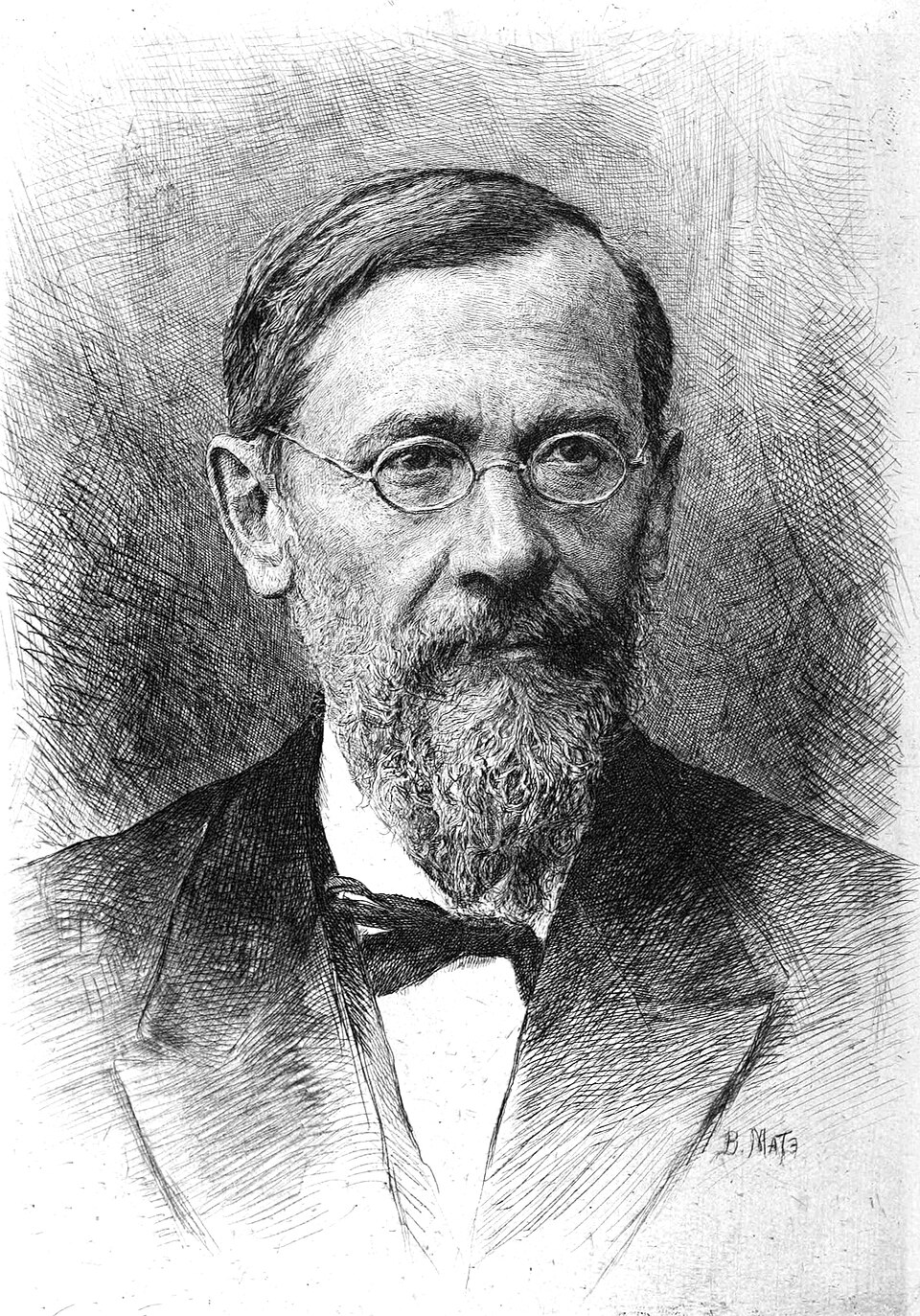
0 sources
Vasily Klyuchevsky
Summary
Vasily Klyuchevsky is a human[1]. Born in Voskresenovka[2], he… he was born on January 16, 1841[3]. He died in Moscow[4]. He died on May 12, 1911[5]. He worked as a historian[6] and university teacher[7]. He ranks in the top 0.73% of human entities by monthly Wikipedia readership (855 views/month, #7,267 of 1,000,298).[8]
Key Facts
- Born in Voskresenovka[2], Vasily Klyuchevsky…
- Vasily Klyuchevsky passed away in Moscow[4].
- Vasily Klyuchevsky was born on January 16, 1841[3].
- Vasily Klyuchevsky died on May 12, 1911[5].
- Burial took place at Donskoe cemetery[9].
- Vasily Klyuchevsky held citizenship in Russian Empire[10].
- Vasily Klyuchevsky is identified as part of the Mokshas ethnic group[11].
- Vasily Klyuchevsky worked as a historian[6].
- Vasily Klyuchevsky's professions included university teacher[7].
- Vasily Klyuchevsky's field of work was history[12].
- Vasily Klyuchevsky's field of work was history of Russia[13].
- Vasily Klyuchevsky held the position of member of the State Council of the Russian Empire[14].
- Vasily Klyuchevsky was employed by Imperial Moscow University[15].
- Vasily Klyuchevsky was employed by Alexandrov Military School[16].
- Among Vasily Klyuchevsky's employers was Moscow Theological Academy[17].
- Vasily Klyuchevsky's education included a stint at Faculty of History and Philology of Moscow University[18].
- Vasily Klyuchevsky's doctoral advisor was Fyodor Buslaev[19].
- Vasily Klyuchevsky's doctoral advisor was Stepan Eshevsky[20].
- Vasily Klyuchevsky's doctoral advisor was Sergey Solovyov[21].
- A notable student of Vasily Klyuchevsky was Mikhail Bogoslovsky[22].
- A notable student of Vasily Klyuchevsky was Yury Gotye[23].
- A notable student of Vasily Klyuchevsky was Mikhail Pokrovsky[24].
- A notable student of Vasily Klyuchevsky was Nikolai Rozhkov[25].
- Vasily Klyuchevsky was a member of Russian Academy of Sciences[26].
- Vasily Klyuchevsky was a member of Russian Academy of Sciences[27].
Body
Origins and Family
Vasily Klyuchevsky was born in Voskresenovka[2]. He was born on January 16, 1841[3]. He is identified as part of the Mokshas ethnic group[11].
Education
Vasily Klyuchevsky was educated at Faculty of History and Philology of Moscow University[18]. Doctoral advisors include Fyodor Buslaev[19], a linguist[28], 1818–1897[29], of Russian Empire[30], awarded the Order of St. Vladimir, 3rd class[31], specialised in philology[32]; Stepan Eshevsky[20], a historian[33], 1829–1865[34], of Russian Empire[35], specialised in history[36]; and Sergey Solovyov[21], a historian[37], 1820–1879[38], of Russian Empire[39], specialised in history[40]. He studied under Sergey Solovyov[41].
Career and Affiliations
Recorded occupations include historian[6] and university teacher[7]. Fields of work include history[12], an academic discipline[42] and history of Russia[13], a history of a country or state[43], in Russia[44]. Employers include Imperial Moscow University[15], an imperial universities of the Russian Empire[45], in Russian Empire[46], founded in 1755[47]; Alexandrov Military School[16], an educational institution[48], in Russian Empire[49], founded in 1849[50]; and Moscow Theological Academy[17], an educational institution[51], in Russia[52], founded in 1687[53]. Vasily Klyuchevsky held the position of member of the State Council of the Russian Empire[14]. Notable students include Mikhail Bogoslovsky[22], a scientist[54], 1867–1929[55], of Russian Empire[56], specialised in history[57]; Yury Gotye[23], a historian[58], 1873–1943[59], of Russian Empire[60], specialised in history of Russia[61]; Mikhail Pokrovsky[24], a historian[62], 1868–1932[63], of Russian Empire[64], awarded the Order of Lenin[65], specialised in history[66]; and Nikolai Rozhkov[25]. Doctoral students include Sergei Bakhrushin[67], a scientist[68], 1882–1950[69], of Russian Empire[70], awarded the Stalin Prize[71], specialised in history of Russia[72]; Mikhail Bogoslovsky[73], a scientist[74], 1867–1929[75], of Russian Empire[76], specialised in history[77]; Matvey Lyubavsky[78], a historian[79], 1860–1936[80], of Russian Empire[81], awarded the Order of Saint Anna, 2nd class[82], specialised in history[83]; and Vladimir Picheta[84], a historian[85], 1878–1947[86], of Russian Empire[87], awarded the Order of the Red Banner of Labour[88], specialised in history[89].
Personal Life
Vasily Klyuchevsky was affiliated with the Constitutional Democratic Party[90].
Death and Burial
Vasily Klyuchevsky died on May 12, 1911[5]. He died in Moscow[4]. He is buried at Donskoe cemetery[9].
Works and Contributions
Things named for Vasily Klyuchevsky include 4560 Klyuchevskij[91] and VO Klyuchevsky Prize[92].
Why It Matters
Vasily Klyuchevsky ranks in the top 0.73% of human entities by monthly Wikipedia readership (855 views/month, #7,267 of 1,000,298).[8] He has Wikipedia articles in 17 language editions, a strong signal of global cultural recognition.[93] He is known by 50 alternative names across languages and contexts.[94]
Entities named for him include 4560 Klyuchevskij[91] and VO Klyuchevsky Prize[92].
His notable doctoral advisees include Mikhail Pokrovsky[95], a historian[96], 1868–1932[97], of Russian Empire[98], awarded the Order of Lenin[99], specialised in history[100]; Nikolai Rozhkov[101], a politician[102], 1868–1927[103], of Russian Empire[104], specialised in history[105]; Matvey Lyubavsky[106], a historian[107], 1860–1936[108], of Russian Empire[109], awarded the Order of Saint Anna, 2nd class[110], specialised in history[111]; Sergei Bakhrushin[112], a scientist[113], 1882–1950[114], of Russian Empire[115], awarded the Stalin Prize[116], specialised in history of Russia[117]; and Vladimir Picheta[118].
FAQs
Where was Vasily Klyuchevsky born?
Vasily Klyuchevsky was born in Voskresenovka[2].
Where did Vasily Klyuchevsky die?
Vasily Klyuchevsky died in Moscow[4].
What did Vasily Klyuchevsky do for work?
Vasily Klyuchevsky worked as historian[6] and university teacher[7].
Where did Vasily Klyuchevsky go to school?
Vasily Klyuchevsky was educated at Faculty of History and Philology of Moscow University[18].