
Vasil Bykaŭ
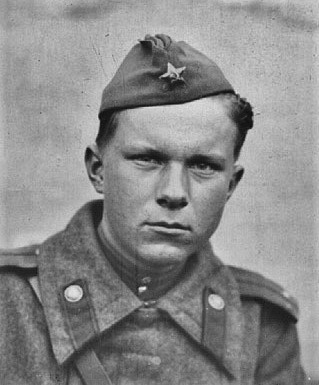
0 sources
Summary
Vasil Bykaŭ is a human[1]. He was born in Byčki[2]. He was born on June 19, 1924[3]. He passed away in Baraŭliany[4]. He died on June 22, 2003[5]. He worked as a writer[6], screenwriter[7], journalist[8], politician[9], and short story writer[10]. He ranks in the top 0.73% of human entities by monthly Wikipedia readership (184 views/month, #7,259 of 1,000,298).[11]
Key Facts
- Vasil Bykaŭ was born in Byčki[2].
- Vasil Bykaŭ passed away in Baraŭliany[4].
- Vasil Bykaŭ was born on June 19, 1924[3].
- Vasil Bykaŭ was born on August 19, 1924[12].
- Vasil Bykaŭ died on June 22, 2003[5].
- Vasil Bykaŭ died on June 23, 2003[13].
- Burial took place at Eastern Cemetery[14].
- Among Vasil Bykaŭ's spouses was Nadzeya Bykava[15].
- Vasil Bykaŭ held citizenship in Soviet Union[16].
- Vasil Bykaŭ held citizenship in Belarus[17].
- Belarusian was Vasil Bykaŭ's native language[18].
- Vasil Bykaŭ worked as a writer[6].
- Vasil Bykaŭ worked as a screenwriter[7].
- Vasil Bykaŭ's professions included journalist[8].
- Vasil Bykaŭ worked as a politician[9].
- Vasil Bykaŭ worked as a short story writer[10].
- Vasil Bykaŭ's field of work was belletristic literature[19].
- Vasil Bykaŭ's field of work was war novel[20].
- Vasil Bykaŭ's field of work was prose[21].
- Vasil Bykaŭ held the position of list of members of the Supreme Soviet of the Byelorussian SSR (1985–1990)[22].
- Vasil Bykaŭ held the position of list of members of the Supreme Soviet of the Byelorussian SSR (1975–1979)[23].
- Vasil Bykaŭ held the position of list of members of the Supreme Soviet of the Byelorussian SSR (1980–1985)[24].
- Among Vasil Bykaŭ's employers was Гродненская правда[25].
- Vasil Bykaŭ was educated at Vitebsk People's Art School[26].
- Vasil Bykaŭ received the USSR State Prize[27].
Body
Origins and Family
Born in Byčki[2], Vasil Bykaŭ… Recorded date of birth include June 19, 1924[3] and August 19, 1924[12]. Belarusian was his native language[18].
Education
Vasil Bykaŭ was educated at Vitebsk People's Art School[26].
Career and Affiliations
Recorded occupations include writer[6], screenwriter[7], journalist[8], politician[9], and short story writer[10]. Fields of work include belletristic literature[19], a literary genre[28]; war novel[20], a novel genre[29]; and prose[21], a literary form[30]. Among Vasil Bykaŭ's employers was Гродненская правда[25]. Positions held include list of members of the Supreme Soviet of the Byelorussian SSR (1985–1990)[22], a Wikimedia list of persons[31], in Soviet Union[32]; list of members of the Supreme Soviet of the Byelorussian SSR (1975–1979)[23], a Wikimedia list of persons[33], in Soviet Union[34]; and list of members of the Supreme Soviet of the Byelorussian SSR (1980–1985)[24], a Wikimedia list of persons[35], in Soviet Union[36].
Recognition
Awards received include USSR State Prize[27], a Soviet state award[37], in Soviet Union[38], founded in 1966[39]; Order of Lenin[40], an order[41], in Soviet Union[42], founded in 1930[43]; Medal "For the Victory over Germany in the Great Patriotic War 1941–1945"[44], a campaign medal[45], in Soviet Union[46], founded in 1945[47]; Hero of Socialist Labour[48], a title of honor[49], in Soviet Union[50], founded in 1938[51]; Order of the Red Star[52], a socialist order of merit[53], in Soviet Union[54], founded in 1930[55]; and Order of the Patriotic War, 1st class[56], a grade of an order[57], in Soviet Union[58].
Personal Life
Among Vasil Bykaŭ's spouses was Nadzeya Bykava[15]. He was affiliated with the BPF Party[59].
Death and Burial
Recorded date of death include June 22, 2003[5] and June 23, 2003[13]. Vasil Bykaŭ died in Baraŭliany[4]. He is buried at Eastern Cemetery[14].
Why It Matters
Vasil Bykaŭ ranks in the top 0.73% of human entities by monthly Wikipedia readership (184 views/month, #7,259 of 1,000,298).[11] He has Wikipedia articles in 19 language editions, a strong signal of global cultural recognition.[60] He is known by 59 alternative names across languages and contexts.[61]
Works attributed to him include Total Dictation[62], an annual event[63], in Russia[64], founded in 2004[65], written by Leo Tolstoy[66]; The Ordeal[67], a short novel[68], founded in 1969[69]; and Alpine Ballad[70], a literary work[71], founded in 1963[72].
FAQs
Where was Vasil Bykaŭ born?
Vasil Bykaŭ's place of birth was Byčki[2].
Where did Vasil Bykaŭ die?
Vasil Bykaŭ passed away in Baraŭliany[4].
Who was Vasil Bykaŭ married to?
Vasil Bykaŭ's spouses include Nadzeya Bykava[15].
What did Vasil Bykaŭ do for work?
Vasil Bykaŭ worked as writer[6], screenwriter[7], journalist[8], politician[9], and short story writer[10].
Where did Vasil Bykaŭ go to school?
Vasil Bykaŭ was educated at Vitebsk People's Art School[26].
What awards did Vasil Bykaŭ receive?
Honors received include USSR State Prize[27], Order of Lenin[40], Medal "For the Victory over Germany in the Great Patriotic War 1941–1945"[44], and Hero of Socialist Labour[48].