
United Nations Security Council Resolution 1539
United Nations Security Council resolution
Press Enter · cited answer in seconds
0 sources
Summary
United Nations Security Council Resolution 1539 is an United Nations Security Council resolution[1]. It ranks in the top 4% of united_nations_security_council_resolution entities by monthly Wikipedia readership (1 views/month).[2]
Key Facts
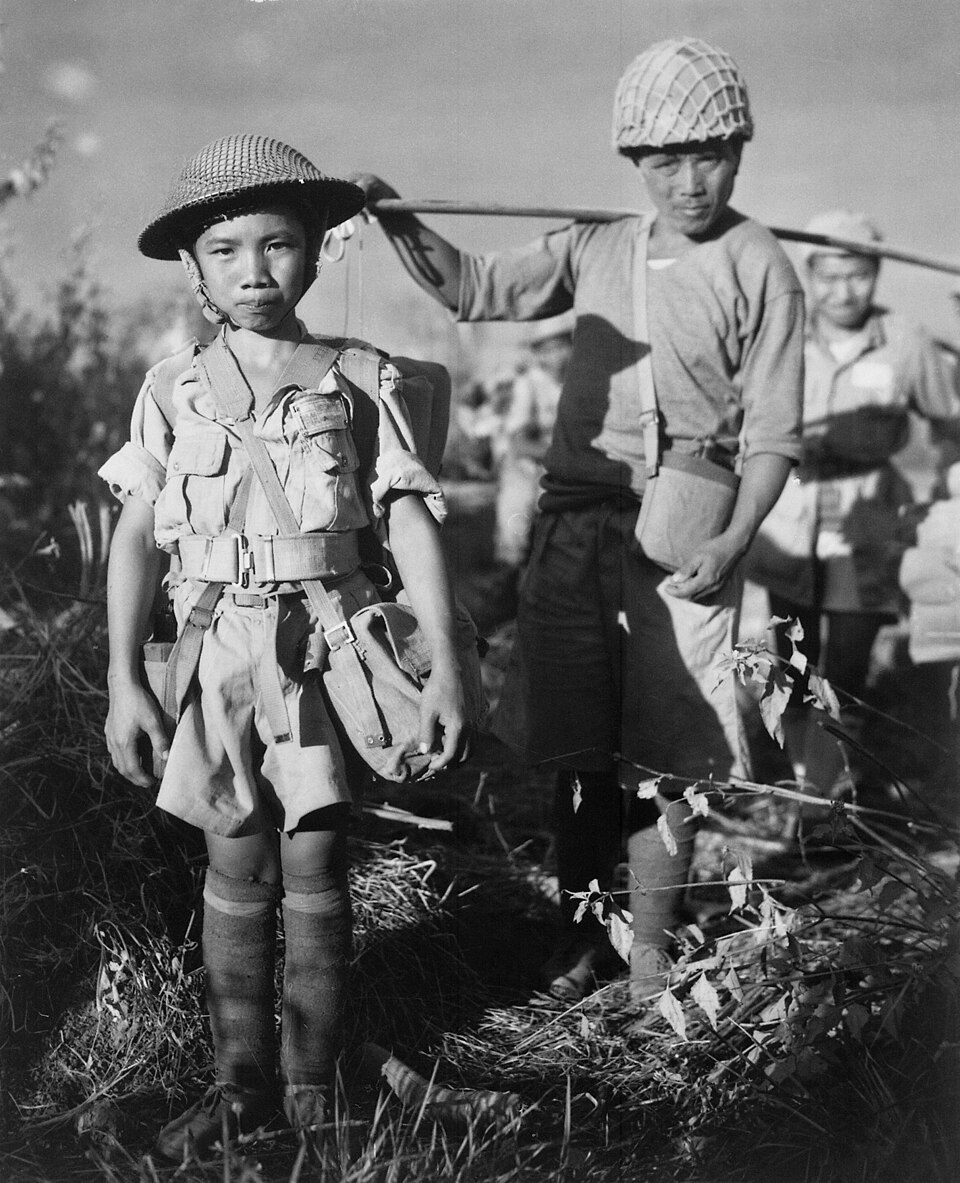
- United Nations Security Council Resolution 1539's image is recorded as Chinesechildsoldier.jpg[3].
- United Nations Security Council Resolution 1539's instance of is recorded as United Nations Security Council resolution[4].
- United Nations Security Council Resolution 1539's follows is recorded as United Nations Security Council Resolution 1538[5].
- United Nations Security Council Resolution 1539's followed by is recorded as United Nations Security Council Resolution 1540[6].
- United Nations Security Council Resolution 1539's language of work or name is recorded as Chinese[7].
- United Nations Security Council Resolution 1539's legislated by is recorded as United Nations Security Council[8].
- United Nations Security Council Resolution 1539's publication date is recorded as +2004-04-22T00:00:00Z[9].
- United Nations Security Council Resolution 1539's Freebase ID is recorded as /m/0dgq7xd[10].
- United Nations Security Council Resolution 1539's work available at URL is recorded as https://undocs.org/S/RES/1539(2004)[11].
- United Nations Security Council Resolution 1539's series ordinal is recorded as 1539[12].
- United Nations Security Council Resolution 1539's UN document symbol is recorded as S/RES/1539(2004)[13].
- United Nations Security Council Resolution 1539's law identifier is recorded as S/RES/1539[14].
- United Nations Security Council Resolution 1539's voted on by is recorded as United Nations Security Council meeting[15].
Why It Matters
United Nations Security Council Resolution 1539 ranks in the top 4% of united_nations_security_council_resolution entities by monthly Wikipedia readership (1 views/month).[2] It has Wikipedia articles in 6 language editions, a strong signal of global cultural recognition.[16]