
Uda
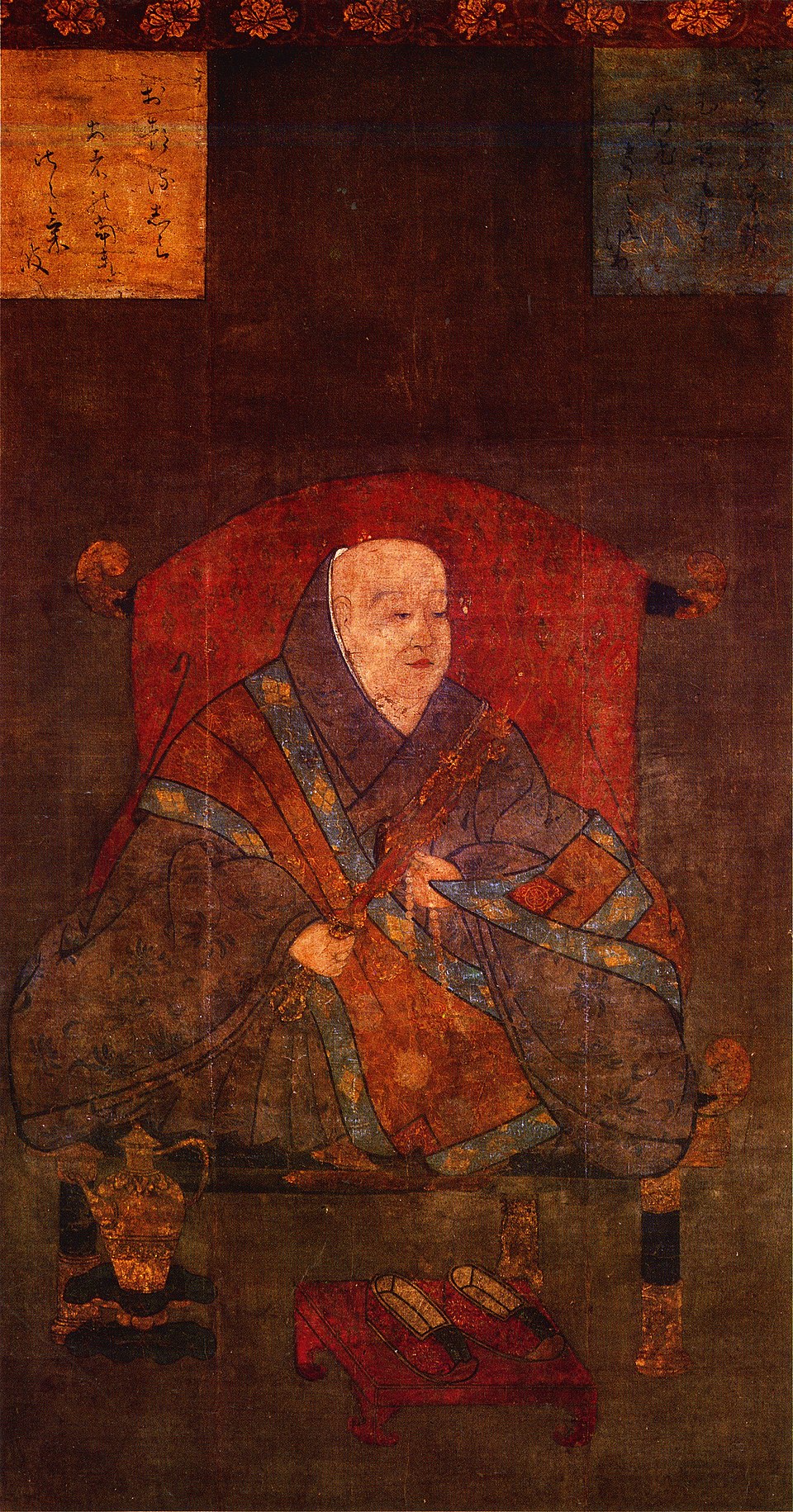
0 sources
Uda
Summary
Uda is a human[1]. His place of birth was Heian-kyō[2]. He was born on June 10, 867[3]. He passed away in Ninna-ji Temple[4]. He died on September 3, 931[5]. He worked as a ruler[6]. He ranks in the top 0.72% of human entities by monthly Wikipedia readership (7,580 views/month, #7,183 of 1,000,298).[7]
Key Facts
- Uda was born in Heian-kyō[2].
- Uda passed away in Ninna-ji Temple[4].
- Uda was born on June 10, 867[3].
- Uda died on September 3, 931[5].
- Burial took place at Ryōan-ji Temple[8].
- Uda's father was Kōkō[9].
- Uda's mother was Empress Dowager Hanshi[10].
- Among Uda's spouses was Fujiwara no Onshi[11].
- Among Uda's spouses was Fujiwara no Taneko[12].
- Uda was married to Tachibana no Yoshiko[13].
- Uda was married to Sugawara no Enshi[14].
- Among Uda's spouses was Minamoto no Sadako[15].
- Among Uda's spouses was Tokuhime[16].
- A child of Uda was Kinshi-naishinnō[17].
- A child of Uda was Daigo[18].
- A child of Uda was Atsumi-shinnō[19].
- A child of Uda was Shinjaku-hosshinnō[20].
- A child of Uda was Kunshi-naishinnō[21].
- A child of Uda was Imperial Prince Atsuyoshi[22].
- Uda held citizenship in Japan[23].
- Uda worked as a ruler[6].
- Uda held the position of Emperor of Japan[24].
- Uda held the position of Daijō Tennō[25].
- Uda held the position of Cloistered Emperor[26].
- A notable work attributed to Uda is Kanpyō Gyoki[27].
Body
Origins and Family
Born in Heian-kyō[2], Uda… he was born on June 10, 867[3]. His father was Kōkō[9]. His mother was Empress Dowager Hanshi[10].
Career and Affiliations
Uda's professions included ruler[6]. Positions held include Emperor of Japan[24], a hereditary title[28], in Japan[29]; Daijō Tennō[25], a Ranking (East Asian imperial houses)[30]; and Cloistered Emperor[26], a title of honor[31], in Japan[32].
Works and Contributions
Notable works include Kanpyō Gyoki[27] and Kanpyō no Goyuikai[33]. Things named for Uda include Go-He[34], a Buddhist monk[35], 1267–1324[36], of Japan[37] and Uda Genji[38], a clan[39].
Personal Life
Spouses include Fujiwara no Onshi[11], 0872–0907[40]; Fujiwara no Taneko[12], 0850–0896[41]; Tachibana no Yoshiko[13]; Sugawara no Enshi[14]; Minamoto no Sadako[15]; and Tokuhime[16]. Children include Kinshi-naishinnō[17], 0890–0910[42]; Daigo[18], a ruler[43], 0885–0930[44], of Japan[45]; Atsumi-shinnō[19], 0893–0967[46]; Shinjaku-hosshinnō[20], a priest[47], 0886–0927[48]; Kunshi-naishinnō[21], 0850–0902[49], of Japan[50]; and Imperial Prince Atsuyoshi[22], 0888–0930[51], of Japan[52]. Uda's religion is recorded as Shingon Buddhism[53].
Death and Burial
Uda died on September 3, 931[5]. He died in Ninna-ji Temple[4]. He is buried at Ryōan-ji Temple[8].
Why It Matters
Uda ranks in the top 0.72% of human entities by monthly Wikipedia readership (7,580 views/month, #7,183 of 1,000,298).[7] He has Wikipedia articles in 24 language editions, a strong signal of global cultural recognition.[54] He is known by 37 alternative names across languages and contexts.[55]
Entities named for him include Go-He[34], a Buddhist monk[35], 1267–1324[36], of Japan[37] and Uda Genji[38], a clan[39].
FAQs
Where was Uda born?
Uda's place of birth was Heian-kyō[2].
Where did Uda die?
Uda died in Ninna-ji Temple[4].
Who were Uda's parents?
Uda's father was Kōkō[9]. Uda's mother was Empress Dowager Hanshi[10].
Who was Uda married to?
Uda's spouses include Fujiwara no Onshi[11], Fujiwara no Taneko[12], Tachibana no Yoshiko[13], and Sugawara no Enshi[14].
What did Uda do for work?
Uda worked as ruler[6].