
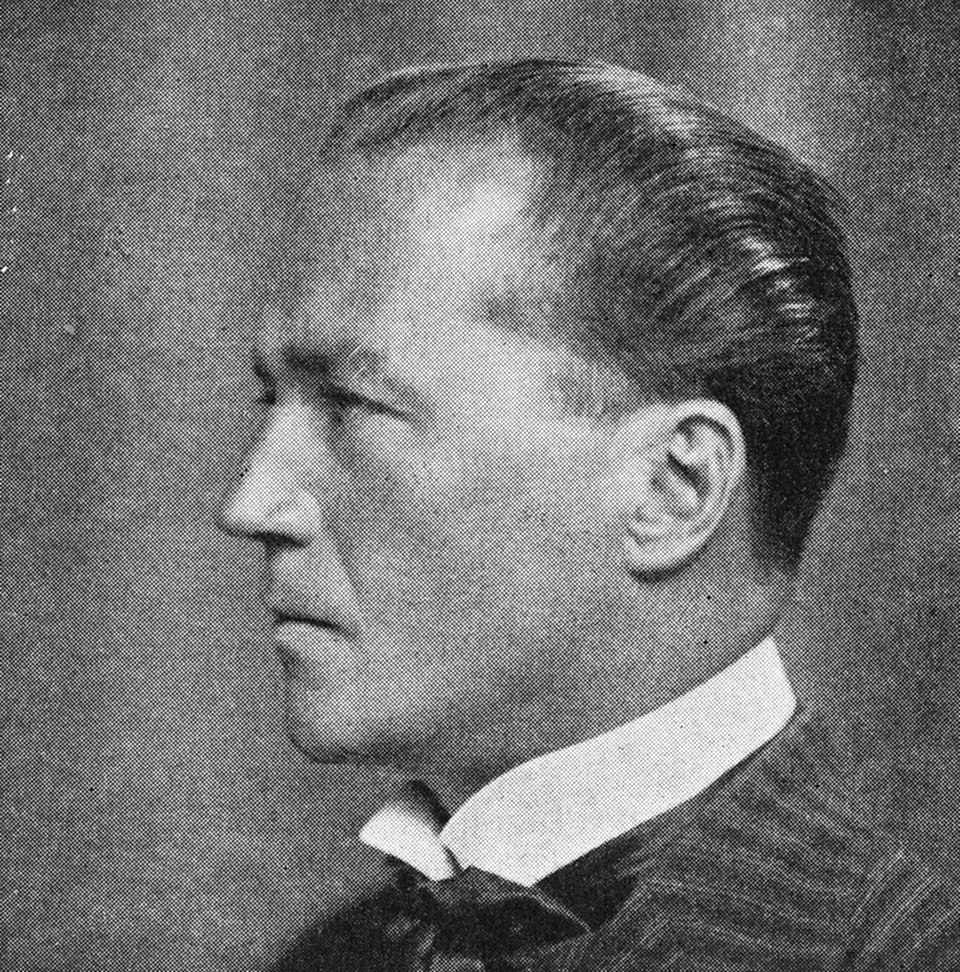
Ture Rangström
0 sources
Ture Rangström
Summary
Ture Rangström is a human[1]. His place of birth was Stockholm[2]. He was born on November 30, 1884[3]. He died in Stockholm[4]. He died on May 11, 1947[5]. He worked as a conductor[6], composer[7], musicologist[8], music educator[9], and music critic[10]. He has Wikipedia articles in 14 language editions, a strong signal of global cultural recognition.[11]
Key Facts
- Ture Rangström's place of birth was Stockholm[2].
- Born in Hedvig Eleonora parish[12], Ture Rangström…
- Ture Rangström died in Stockholm[4].
- Ture Rangström passed away in Högalid Parish[13].
- Ture Rangström was born on November 30, 1884[3].
- Ture Rangström died on May 11, 1947[5].
- Burial took place at Gryt[14].
- Among Ture Rangström's spouses was Mary Omon Rangström[15].
- Ture Rangström was married to Elisabeth Leontine Hollender[16].
- Ture Rangström held citizenship in Sweden[17].
- Ture Rangström's professions included conductor[6].
- Ture Rangström worked as a composer[7].
- Ture Rangström's professions included musicologist[8].
- Ture Rangström worked as a music educator[9].
- Ture Rangström's professions included music critic[10].
- Ture Rangström's field of work was opera[18].
- Ture Rangström's field of work was symphony[19].
- Ture Rangström's field of work was chamber music[20].
- A notable work attributed to Ture Rangström is Symphony No. 4[21].
- A notable work attributed to Ture Rangström is Dithyramb[22].
- Ture Rangström is recorded as male[23].
- Ture Rangström's instance of is recorded as human[24].
- Ture Rangström's Commons category is recorded as Ture Rangström (composer)[25].
- The cause of death was head and neck cancer[26].
- Ture Rangström's family name is recorded as Rangström[27].
Body
Origins and Family
Recorded place of birth include Stockholm[2], a city[28], in Sweden[29], founded in 1187[30] and Hedvig Eleonora parish[12], a parish of the Church of Sweden[31], in Sweden[32], founded in 1672[33]. Ture Rangström was born on November 30, 1884[3].
Education
Studied under Johan Lindegren[34], a composer[35], 1842–1908[36], of Sweden[37]; Hans Pfitzner[38], a composer[39], 1869–1949[40], of Germany[41], awarded the Ring of Honour of the City of Vienna[42]; and Julius Hey[43], a music educator[44], 1832–1909[45], of Germany[46].
Career and Affiliations
Recorded occupations include conductor[6], composer[7], musicologist[8], music educator[9], and music critic[10]. Fields of work include opera[18], a music genre[47], founded in 1600[48]; symphony[19], a type of musical work/composition[49], founded in 1600[50]; and chamber music[20], a type of musical work/composition[51].
Works and Contributions
Notable works include Symphony No. 4[21], a musical work/composition[52] and Dithyramb[22], a musical work/composition[53].
Personal Life
Spouses include Mary Omon Rangström[15], 1894–1984[54], of Sweden[55] and Elisabeth Leontine Hollender[16].
Death and Burial
Ture Rangström died on May 11, 1947[5]. Recorded place of death include Stockholm[4], a city[56], in Sweden[57], founded in 1187[58] and Högalid Parish[13], a parish of the Church of Sweden[59], in Sweden[60], founded in 1925[61]. The cause of death was head and neck cancer[26]. He is buried at Gryt[14].
Why It Matters
Ture Rangström has Wikipedia articles in 14 language editions, a strong signal of global cultural recognition.[11] He is known by 9 alternative names across languages and contexts.[62]
FAQs
Where was Ture Rangström born?
Ture Rangström's place of birth was Stockholm[2].
Where did Ture Rangström die?
Ture Rangström died in Stockholm[4].
Who was Ture Rangström married to?
Ture Rangström's spouses include Mary Omon Rangström[15] and Elisabeth Leontine Hollender[16].
What did Ture Rangström do for work?
Ture Rangström worked as conductor[6], composer[7], musicologist[8], music educator[9], and music critic[10].