
tree
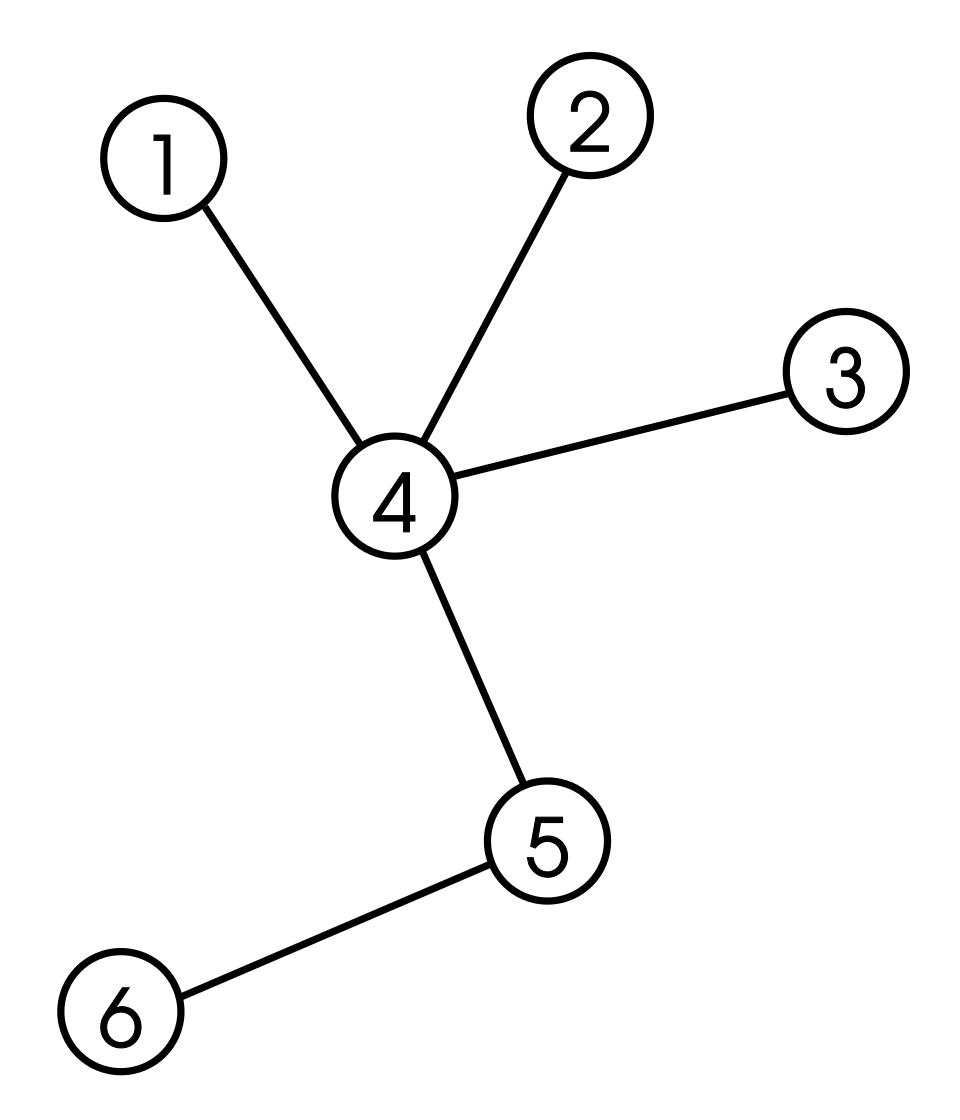
undirected, connected and acyclic graph
Press Enter · cited answer in seconds
0 sources
tree
Summary
tree is a class of graphs with few cliques[1]. tree has Wikipedia articles in 24 language editions, a strong signal of global cultural recognition.[2]
Key Facts
- tree's instance of is recorded as class of graphs with few cliques[3].
- tree's instance of is recorded as mathematical concept[4].
- tree's instance of is recorded as hereditary graph class[5].
- tree is named after tree[6].
- tree is a type of connected graph[7].
- tree is a type of forest[8].
- tree is a type of pseudotree[9].
- tree is a type of uniquely colorable graph[10].
- tree is a type of hypertree[11].
- tree is a type of block graph[12].
- tree is a type of k-tree[13].
- tree is used for tree structure[14].
- tree's Commons category is recorded as Tree diagrams[15].
- tree's said to be the same as is recorded as free tree[16].
- tree is the opposite of cyclic graph[17].
- tree's topic's main category is recorded as Category:Trees (graph theory)[18].
- tree's Commons gallery is recorded as Tree diagram[19].
- tree's has characteristic is recorded as edge-connectivity[20].
- tree's has characteristic is recorded as vertex connectivity[21].
- tree's has characteristic is recorded as chromatic number[22].
- tree's different from is recorded as Baum[23].
- tree's studied by is recorded as graph theory[24].
- tree's does not have part is recorded as cycle[25].
- tree's derivative work is recorded as tree[26].
- tree's derivative work is recorded as dendrogram[27].
Body
Definition and Type
Recorded instance of include class of graphs with few cliques[3], mathematical concept[4], and hereditary graph class[5]. Recorded subclass of include connected graph[7], forest[8], pseudotree[9], uniquely colorable graph[10], hypertree[11], and block graph[12]. tree is the opposite of cyclic graph[17].
Origins
tree is named after tree[6].
Use and Application
tree is used for tree structure[14].
Why It Matters
tree has Wikipedia articles in 24 language editions, a strong signal of global cultural recognition.[2] tree is known by 24 alternative names across languages and contexts.[28]