
Treaty of friendship and alliance between the Government of Mongolia and Tibet
treaty of mutual recognition and allegiance between the governments of Mongolia and Tibet
Press Enter · cited answer in seconds
0 sources
Treaty of friendship and alliance between the Government of Mongolia and Tibet
Summary
Treaty of friendship and alliance between the Government of Mongolia and Tibet is a treaty[1]. It draws 14 Wikipedia views per month (treaty category, ranking #181 of 1,157).[2]
Key Facts
- Treaty of friendship and alliance between the Government of Mongolia and Tibet is in the country of Mongolia[3].
- Treaty of friendship and alliance between the Government of Mongolia and Tibet is in the country of Tibet[4].
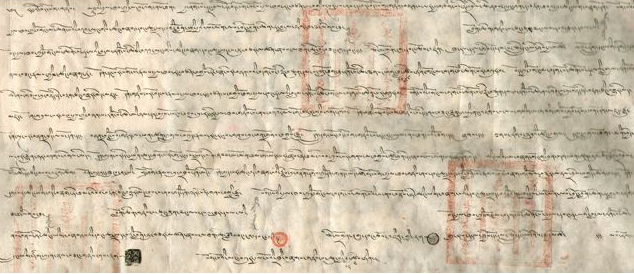
- Treaty of friendship and alliance between the Government of Mongolia and Tibet's image is recorded as Tibet Mongolia Treaty.jpg[5].
- Treaty of friendship and alliance between the Government of Mongolia and Tibet's instance of is recorded as treaty[6].
- Treaty of friendship and alliance between the Government of Mongolia and Tibet's Commons category is recorded as Treaty of friendship and alliance between the Government of Mongolia and Tibet[7].
- Treaty of friendship and alliance between the Government of Mongolia and Tibet's language of work or name is recorded as Tibetan[8].
- Treaty of friendship and alliance between the Government of Mongolia and Tibet's point in time is recorded as +1913-01-11T00:00:00Z[9].
- Treaty of friendship and alliance between the Government of Mongolia and Tibet's Freebase ID is recorded as /m/018vgt[10].
- Treaty of friendship and alliance between the Government of Mongolia and Tibet's signatory is recorded as Ravdan[11].
- Treaty of friendship and alliance between the Government of Mongolia and Tibet's signatory is recorded as Agvan Dorzhiev[12].
- Treaty of friendship and alliance between the Government of Mongolia and Tibet's signatory is recorded as Manlaibaatar Damdinsüren[13].
Why It Matters
Treaty of friendship and alliance between the Government of Mongolia and Tibet draws 14 Wikipedia views per month (treaty category, ranking #181 of 1,157).[2] It has Wikipedia articles in 18 language editions, a strong signal of global cultural recognition.[14] It is known by 12 alternative names across languages and contexts.[15]