
Tiradentes
0 sources
Tiradentes
Summary
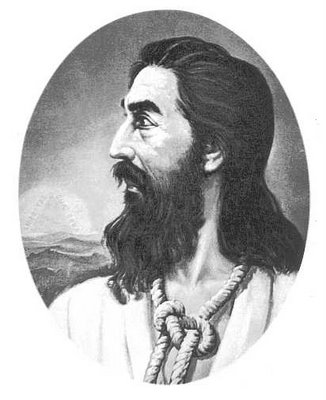
Tiradentes is a human[1]. Born in Fazenda do Pombal[2], he… he was born on November 12, 1746[3]. He passed away in Rio de Janeiro[4]. He died on April 21, 1792[5]. He worked as a dentist[6], military personnel[7], political activist[8], miner[9], and revolutionary[10]. He has Wikipedia articles in 19 language editions, a strong signal of global cultural recognition.[11]
Key Facts
- Born in Fazenda do Pombal[2], Tiradentes…
- Tiradentes passed away in Rio de Janeiro[4].
- Tiradentes was born on November 12, 1746[3].
- Tiradentes died on April 21, 1792[5].
- Tiradentes held citizenship in Colonial Brazil[12].
- Tiradentes worked as a dentist[6].
- Tiradentes's professions included military personnel[7].
- Tiradentes's professions included political activist[8].
- Tiradentes worked as a miner[9].
- Tiradentes worked as a revolutionary[10].
- Tiradentes's field of work was independentism[13].
- Tiradentes held the position of Fänrik[14].
- Tiradentes received the Livro dos Heróis e Heroínas da Pátria[15].
- Tiradentes is recorded as male[16].
- Tiradentes's instance of is recorded as human[17].
- Tiradentes is part of Minas Gerais Conspiracy[18].
- Tiradentes's Commons category is recorded as Tiradentes[19].
- Tiradentes's military, police or special rank is recorded as alférez[20].
- The cause of death was hanging to death[21].
- Tiradentes's given name is recorded as Joaquim[22].
- Tiradentes's topic's main category is recorded as Category:Tiradentes[23].
- Tiradentes's Commons gallery is recorded as Tiradentes[24].
- Tiradentes's manner of death is recorded as capital punishment[25].
- Tiradentes's depicted by is recorded as Statue of Joaquim José da Silva Xavier, Curitiba[26].
- Tiradentes's languages spoken, written or signed is recorded as Portuguese[27].
Body
Origins and Family
Tiradentes was born in Fazenda do Pombal[2]. He was born on November 12, 1746[3].
Career and Affiliations
Recorded occupations include dentist[6], military personnel[7], political activist[8], miner[9], and revolutionary[10]. Tiradentes's field of work was independentism[13]. He held the position of Fänrik[14].
Recognition
Tiradentes received the Livro dos Heróis e Heroínas da Pátria[15].
Death and Burial
Tiradentes died on April 21, 1792[5]. He passed away in Rio de Janeiro[4]. The cause of death was hanging to death[21].
Works and Contributions
Things named for Tiradentes include he[28], a municipality of Brazil[29], in Brazil[30], founded in 1718[31].
Why It Matters
Tiradentes has Wikipedia articles in 19 language editions, a strong signal of global cultural recognition.[11] He is known by 19 alternative names across languages and contexts.[32]
Entities named for him include he[28], a municipality of Brazil[29], in Brazil[30], founded in 1718[31].
FAQs
Where was Tiradentes born?
Born in Fazenda do Pombal[2], Tiradentes…
Where did Tiradentes die?
Tiradentes died in Rio de Janeiro[4].
What did Tiradentes do for work?
Tiradentes worked as dentist[6], military personnel[7], political activist[8], miner[9], and revolutionary[10].
What awards did Tiradentes receive?
Honors received include Livro dos Heróis e Heroínas da Pátria[15].